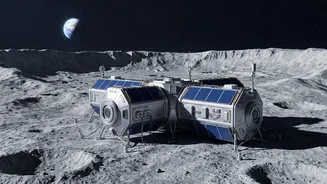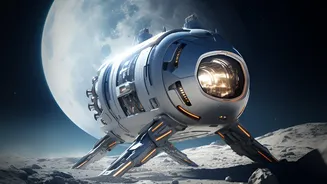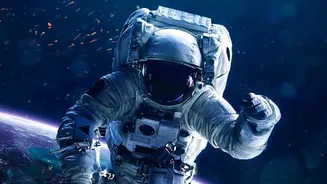

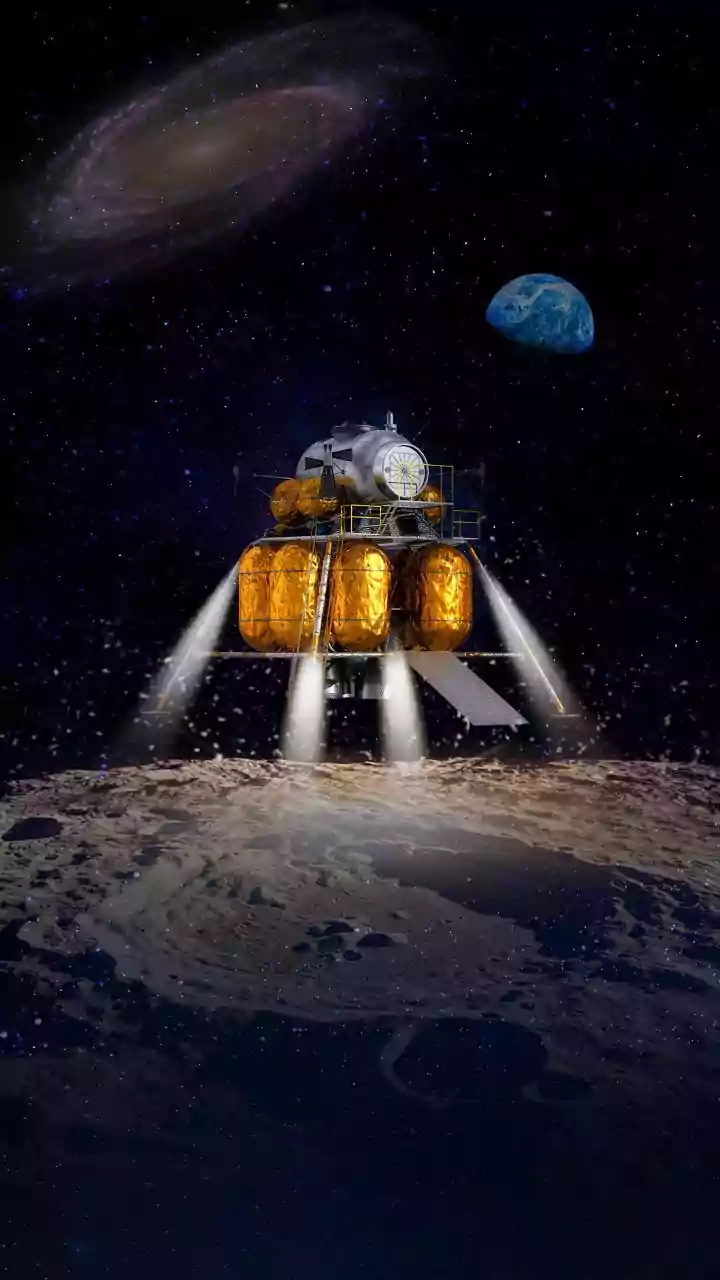
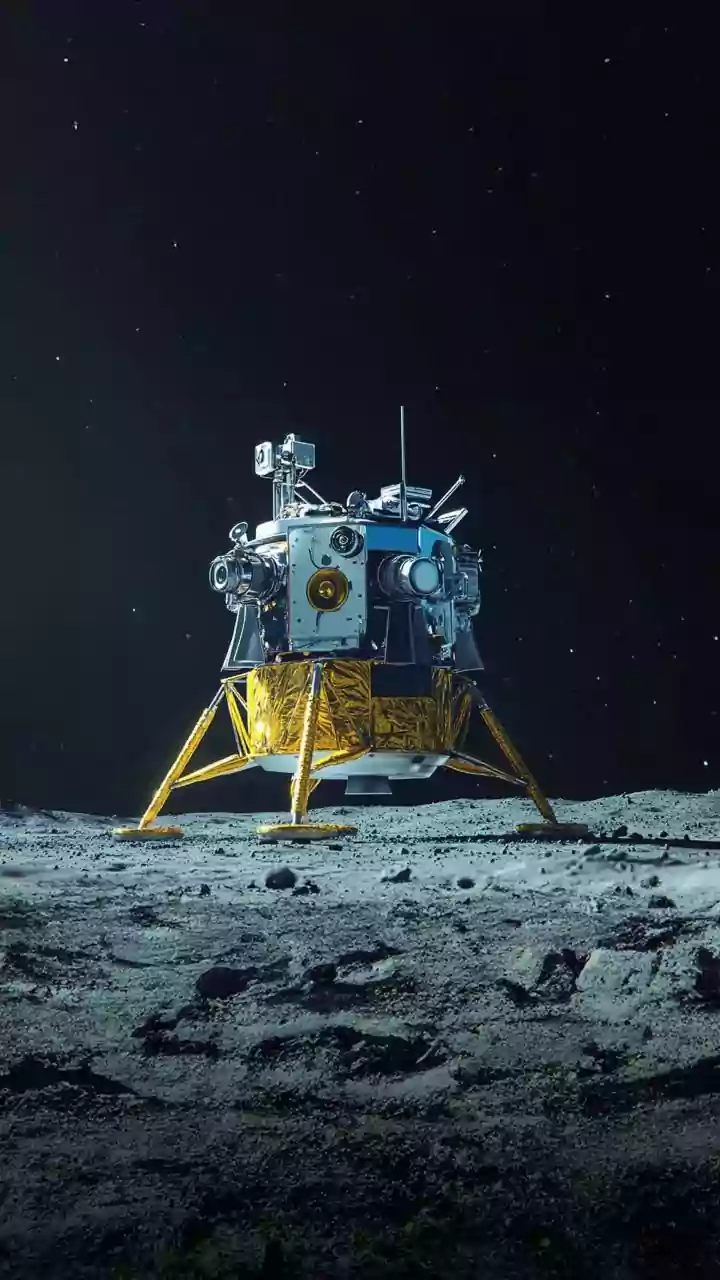
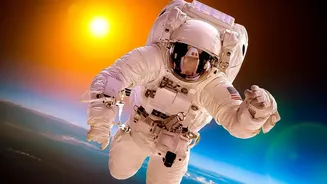

Ever dreamed of living on the Moon? NASA is turning that science fiction fantasy into an engineering reality. The agency has launched a new challenge, calling on the next generation of innovators to solve the biggest problems of building a lunar home.
A New Frontier for Innovation
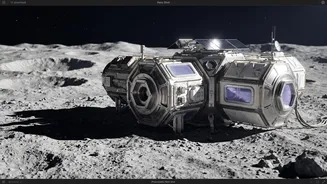
NASA's plan for a long-term human presence on the Moon, a crucial step towards future missions to Mars, is taking a major leap forward. The agency has announced the Moon Base Challenge, a $1 million competition inviting student teams from high schools and post-secondary institutions to contribute to the design of a sustainable lunar outpost. This initiative isn't just about planting a flag; it's about building a functioning, semi-permanent home for astronauts at the Moon's South Pole. To do this, NASA needs fresh ideas to overcome the immense practical hurdles of living in one of the most extreme environments imaginable. The challenge is broken down into six critical engineering categories, each representing a core pillar of what it will take to make humanity a multi-planetary species.
Power Generation and Storage
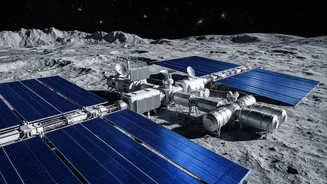
The Moon experiences extreme temperature swings and long periods of darkness, making a reliable power grid essential. This category challenges participants to design innovative systems for generating and storing electricity. Solutions need to be robust enough to survive the two-week-long lunar night and the harsh, dust-filled environment. This could involve new solar panel technologies, advanced battery storage, or even exploring concepts like small-scale nuclear fission reactors that can provide continuous power regardless of sunlight, ensuring the lights stay on for critical life support and research activities.
Habitat Construction
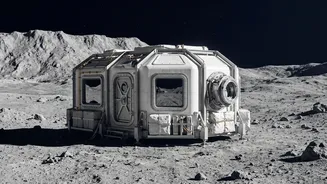
Shipping building materials from Earth is incredibly expensive. This category focuses on 'in-situ resource utilization' or ISRU— a fancy way of saying 'building with what's already there'. Teams are asked to develop concepts for using lunar regolith (the Moon's soil) to 3D-print structures, create landing pads, or build protective berms against radiation and micrometeoroids. This involves not just architectural design but also robotics, as autonomous systems will likely be needed to perform the construction before astronauts even arrive.
Life Support Systems
Keeping astronauts alive and healthy is the most critical task. This challenge area focuses on the complex systems that provide breathable air, clean water, and waste management. A truly sustainable lunar base cannot rely on constant resupply missions from Earth for these essentials. Innovators will need to design closed loop systems that can recycle air and water with maximum efficiency. This includes everything from advanced filtration techniques to methods for growing food in a contained lunar greenhouse, solving the fundamental challenges of survival far from home.
Surface Mobility
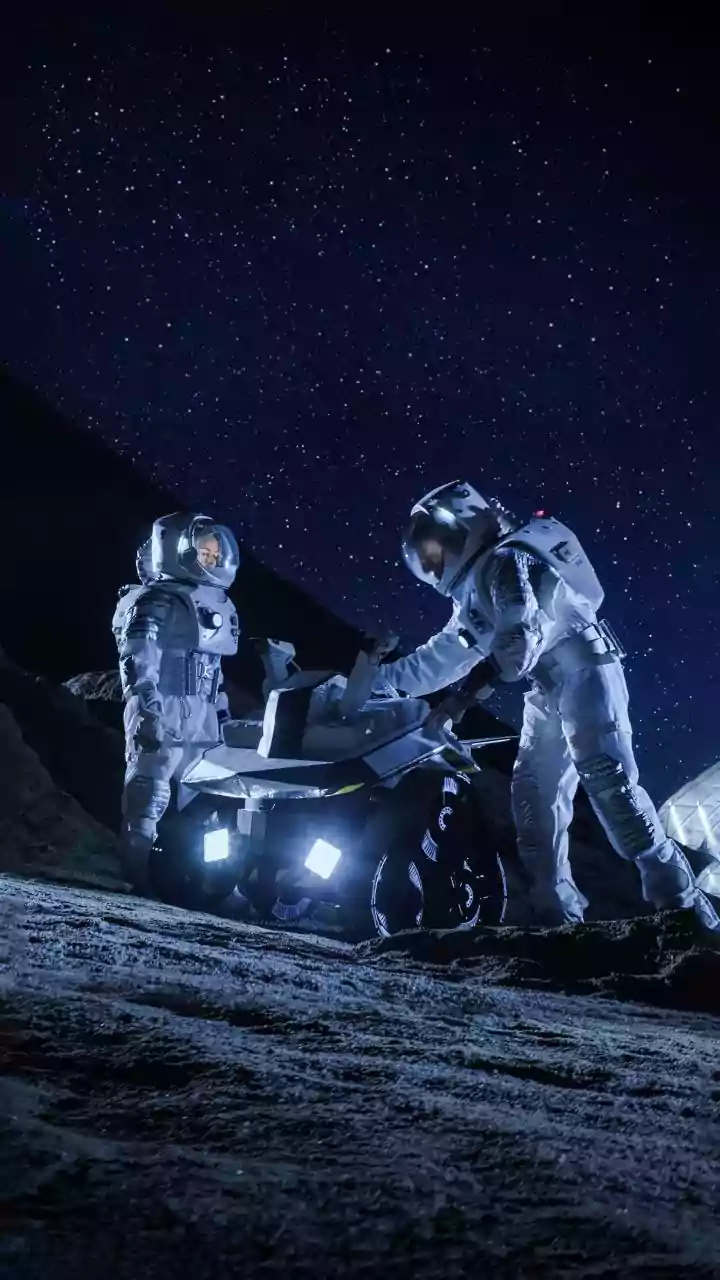
Once on the Moon, astronauts will need to move around to conduct research, deploy equipment, and explore. The surface mobility category tasks participants with designing the next generation of lunar rovers and transport vehicles. These machines must be able to navigate rugged, cratered terrain and withstand the abrasive, electrostatically charged lunar dust that can cripple mechanical systems. This could mean developing new wheel designs, advanced autonomous navigation software, or versatile robotic platforms that can serve as transport, mobile cranes, or scientific exploration vehicles.
Communications and Astronaut Safety
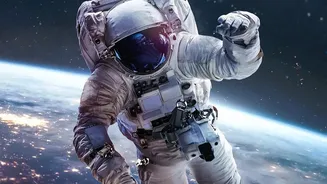
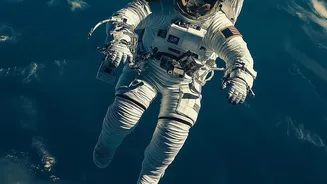
The final two categories are intertwined and essential for mission success. A reliable communications network is needed to connect astronauts with each other, with robotic systems, and with Mission Control back on Earth. At the same time, ensuring astronaut safety is paramount. This involves designing systems to protect them from the dangers of the lunar environment, such as extreme radiation, temperature fluctuations, and the everpresent threat of abrasive moon dust. Solutions might include new spacesuit materials, advanced habitat shielding, or smart sensor networks that monitor environmental hazards in real time.