





Understanding the Appeal of Warmth
Ginger's reputation often centers on complex health claims, particularly around inflammation. While scientists study compounds like gingerol, the evidence for everyday use can be mixed or overstated. This article sidesteps those debates to focus on a benefit
anyone can feel: its distinct warming quality. Traditional systems like Ayurveda have long valued ginger for its ability to stoke our internal fire, or 'agni'. This sensation of warmth is not just physical; it’s comforting, grounding, and deeply satisfying, especially on a cool day or when you're feeling under the weather. By focusing on this sensory experience, we can appreciate ginger for what it reliably offers, without getting tangled in scientific promises that may or may not apply to a simple cup of tea.
Brew a Simple, Soothing Ginger Tea
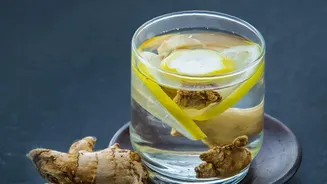
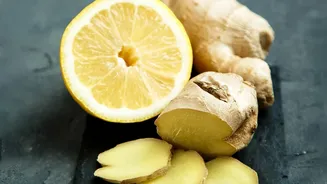
One of the purest ways to experience ginger's warmth is through a simple tea. There’s no need for a fancy recipe. Simply peel and slice or grate a small piece of fresh ginger root. The more ginger you use and the longer you let it simmer, the spicier and more potent the brew will become. Bring a cup or two of water to a boil, add the ginger, and let it steep for at least five to ten minutes. You can then strain it and add a squeeze of lemon or a spoonful of honey to balance the flavour. This simple drink is perfect for warming up cold hands and feet or for sipping on a chilly evening. The fragrant steam and the spicy heat as you drink provide an immediate sense of comfort and well-being.
Create a Warming Foot Soak
The feeling of warmth from ginger isn't just for when you drink it. A ginger foot bath is a surprisingly effective way to warm your entire body and soothe tired feet. To prepare one, grate or slice a generous piece of fresh ginger and simmer it in about a litre of water for 15-20 minutes to create a strong decoction. Strain this concentrated ginger water and add it to a basin of hot water, large enough to comfortably submerge your feet. The spicy, earthy aroma combined with the penetrating heat helps ease tension and can feel incredibly grounding after a long day. Some recipes suggest adding Epsom salts or a few drops of essential oils like lavender or sweet orange for an enhanced spa-like experience.
Incorporate Ginger into Comforting Meals
In cooking, ginger’s warmth transforms dishes, adding depth and a gentle, spicy background note. It's a cornerstone of Asian cuisine for a reason. Think of the comforting heat in a bowl of carrot and ginger soup, where its spice perfectly balances the sweetness of the carrots. Or consider a simple pork stir-fry, where slivers of ginger infuse the entire dish with their fragrant warmth. You don't need to follow complex recipes; adding freshly minced ginger to sautéed vegetables, broths, or marinades for chicken or fish can instantly make a meal feel more nourishing and satisfying. In baked goods like gingerbread or cakes, it provides a cozy, nostalgic spice flavour that is undeniably comforting.
Harness Its Aroma for a Cozy Atmosphere
The scent of ginger itself is warm, spicy, and energizing. Using ginger essential oil in a diffuser can fill your space with a cozy and inviting fragrance, perfect for autumn and winter months. Its aroma is known in aromatherapy for being stimulating and invigorating, which can help create a feeling of vitality and comfort. You can blend it with other warm spices like cinnamon and clove, or with bright citrus oils like orange or lemon for a more complex and uplifting scent. This approach allows you to enjoy the psychological comfort of ginger’s warmth without consuming it at all, making your home a more pleasant and grounding sanctuary.