




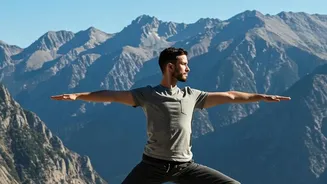
The Inward Escape: Finding Stillness on the Mat
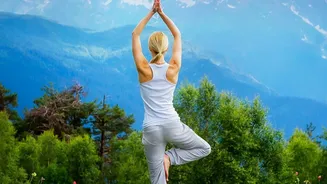
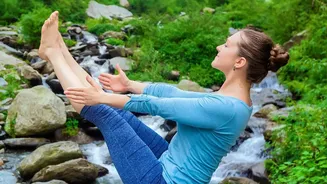
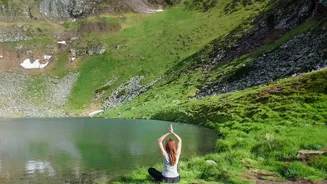
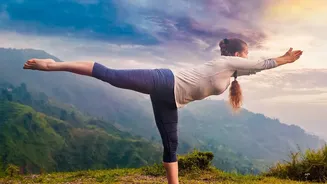
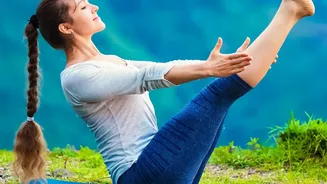
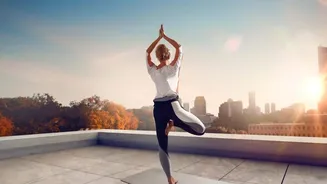
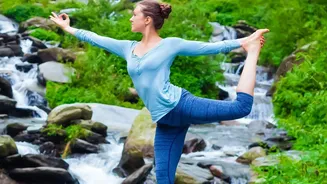
Yoga, an ancient practice with roots in India, offers a sanctuary that can be accessed right in the heart of the city. Its primary tool for stress relief is mindfulness, achieved through a combination of physical postures (asanas), controlled breathing
(pranayama), and meditation. This approach directly targets the body's stress response, helping to lower cortisol levels and calm the nervous system. The beauty of yoga lies in its focus on internal awareness. By concentrating on your breath and the sensations in your body, you create mental space, allowing anxious thoughts to quiet down. This practice doesn't just build flexibility and strength; it cultivates emotional stability and mental clarity, making it a powerful tool for managing the pressures of a fast-paced life.
The Outward Journey: Finding Freedom on the Trail
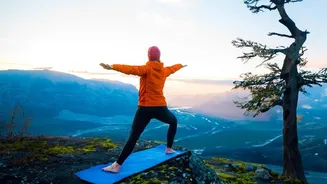
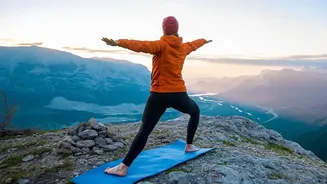
Trekking provides a more literal escape, pulling you out of the urban environment and into nature. The physical act of hiking is a potent stress reliever in itself; the cardiovascular exercise releases endorphins, the body's natural mood-boosters. But the benefits go deeper. Studies have shown that spending time in nature significantly reduces stress, anxiety, and repetitive negative thoughts. Disconnecting from screens and immersing yourself in the sights and sounds of the natural world provides a profound mental reset. Trekking challenges you physically, building resilience and self-confidence while offering a sense of accomplishment and perspective that is often hard to find amidst city skyscrapers.
Personality and Preference: Are You an Introvert or an Adventurer?
The choice between yoga and trekking often comes down to personality. Yoga, with its inward focus, can be an excellent fit for those who are more introverted or are looking for a calming, low-stress activity to do at their own pace. It provides a quiet space for self-reflection. Trekking, on the other hand, appeals to the adventurous and curious, those who enjoy exploring new places and thrive on new experiences. If you feel stifled by routine and crave a change of scenery, a scenic hike might be the perfect antidote to urban fatigue. For the social butterfly, both activities offer community, whether it's a supportive group yoga class or a weekend trekking group.
The Urban Reality: Logistics, Time, and Cost
For a busy city resident, practicalities matter. Yoga holds a distinct advantage in convenience. A class is often just a short commute away, and a solo practice requires nothing more than a mat and a quiet corner at home. This makes it easier to integrate into a daily or weekly routine. Trekking, by contrast, is typically a more significant undertaking. It requires planning, travel to trails that can be hours away from the city, and a larger time commitment—often a full day or an entire weekend. The costs also differ. Yoga might involve a studio membership, while trekking requires investment in gear like proper shoes and a backpack, plus travel expenses. However, many find the periodic, immersive escape of a trek to be a more potent and lasting reset than a daily, shorter practice.
The Best of Both Worlds?
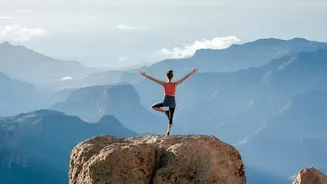
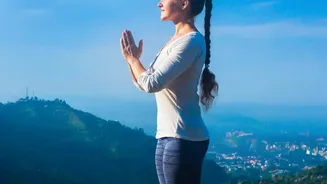
It's important to remember that this doesn't have to be an either-or decision. In fact, the two practices complement each other beautifully. Yoga builds the core strength, balance, and flexibility that are invaluable on a challenging trail. The breath control learned in yoga can also help with endurance and managing exertion at high altitudes. Many trekkers incorporate yoga stretches post-hike to aid recovery and relieve muscle soreness. You can practice yoga daily to manage everyday stress and plan treks as a more profound, periodic escape. Combining them creates a holistic approach to well-being, addressing both the mind's need for stillness and the spirit's craving for adventure.