


Manas National Park: A UNESCO World Heritage Site
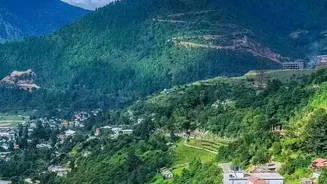
Nestled in the Himalayan foothills bordering Bhutan, Manas National Park is a landscape of stunning beauty and ecological importance. A UNESCO World Heritage Site, it combines alluvial grasslands with dense semi-evergreen forests, creating a habitat for an incredible
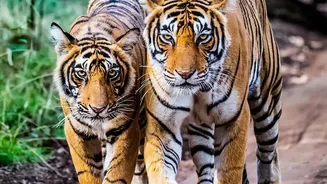
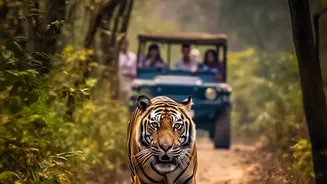
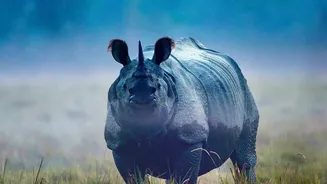
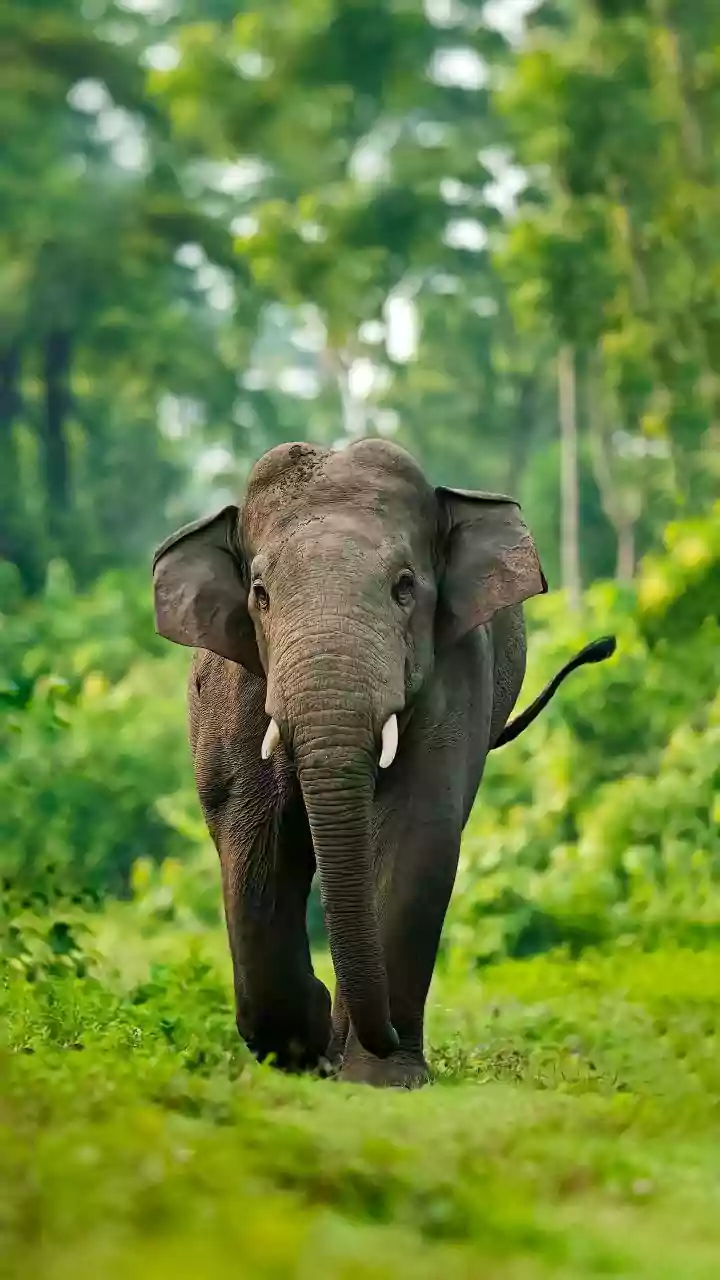
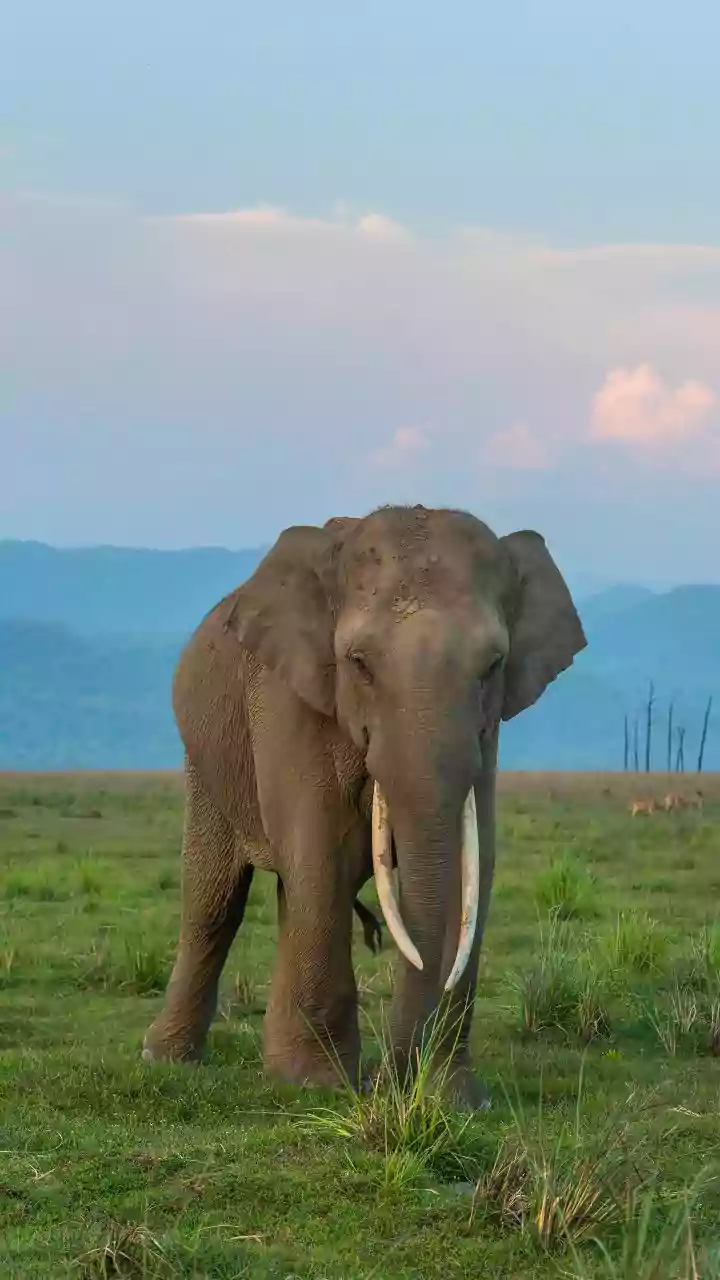
array of wildlife. While it also hosts rhinos, Manas is celebrated for its rare and endemic species, including the elusive pygmy hog, the Assam roofed turtle, and the striking golden langur. It is also a designated Tiger and Elephant Reserve, with a healthy population of wild water buffalo. The Manas River flows through the park, offering opportunities for river rafting and serene boat rides, providing a different perspective on the forest. For visitors, the experience is more than just wildlife spotting; it's about immersing in a conservation success story where the local Bodo community has played a pivotal role in protecting this natural treasure.
Nameri National Park: A Birdwatcher's Paradise
For those whose idea of a perfect forest trip involves birdsong and binoculars, Nameri National Park is a dream destination. Located in the foothills of the Eastern Himalayas, it's a haven for over 300 bird species. The park is particularly famous for being a habitat for the endangered white-winged wood duck, Assam's state bird, as well as four species of hornbills. Unlike other parks dominated by jeep safaris, Nameri offers a unique experience of exploring the forest on foot through guided nature walks. The Jia Bhoroli river, which runs through Nameri, is another major attraction, known for its clear waters and populations of the rare Ibisbill. Adventure seekers can also engage in river rafting, which provides a thrilling way to spot birds and other wildlife along the banks. Though mammals like tigers, elephants, and leopards are present, the primary allure of Nameri is its rich and accessible avian life.
Dibru-Saikhowa National Park: A Riverine Wilderness
Dibru-Saikhowa is a national park and biosphere reserve defined by water. Bounded by the mighty Brahmaputra and Lohit rivers, its landscape is a unique mosaic of wetlands, swamp forests, and grasslands. This riverine ecosystem is most famous for its population of feral horses, descendants of army horses left behind during World War II. The best way to explore this park is not by jeep but by boat, navigating the river channels to access different parts of the forest and its many islands. Dibru-Saikhowa is an acclaimed birding area, attracting a huge number of migratory birds in the winter and providing a home for rare species like the black-breasted parrotbill and marsh babbler. It was originally established to protect the white-winged wood duck and remains one of the world's most significant biodiversity hotspots. Lucky visitors might even spot the Gangetic dolphin in the park's river systems.
Dehing Patkai National Park: The Amazon of the East
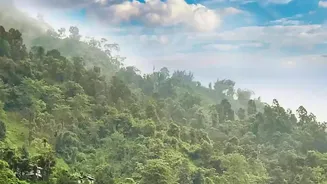
Known as the 'Amazon of the East', Dehing Patkai is Assam's only true tropical rainforest. This dense, multi-layered jungle is a treasure trove of biodiversity, recently upgraded to a national park in 2021. The forest is renowned for being home to seven species of wild cats, including the tiger, clouded leopard, and marbled cat. It also boasts a remarkable diversity of other life, with hundreds of species of butterflies, birds, and rare orchids. Exploring Dehing Patkai feels like stepping into a primeval world, with towering trees and a thick canopy overhead. The park is part of a larger elephant reserve, and trekking is a popular way to experience its wild beauty, though always with a guide due to the dense terrain and presence of wildlife. Its remote feel and lush, evergreen landscape offer a stark contrast to the grasslands of central Assam.
Hoollongapar Gibbon Sanctuary: A Primate Haven
This compact sanctuary near Jorhat offers an intimate and rewarding wildlife experience focused on primates. It is famously the only sanctuary in India named after a primate, the hoolock gibbon, which is also India's only ape species. The sanctuary is home to a dense population of western hoolock gibbons, and their loud, whooping calls are often the first thing visitors hear upon entering. Beyond the gibbons, it is a hotspot for primate diversity, hosting six other species, including the capped langur, stump-tailed macaque, and the nocturnal Bengal slow loris. Unlike larger national parks, Hoollongapar is explored on foot with a forest guide, allowing for a quiet, up-close encounter with the forest and its inhabitants. Surrounded by historic tea gardens, a visit here provides a perfect blend of wildlife and the classic Assamese landscape.