





Understanding the Price Rollercoaster
Vegetable prices in India can be highly volatile, swinging dramatically based on seasons, weather events, and supply chain disruptions. Key staples like tomatoes and onions are known for sharp price spikes, often during monsoon gaps or due to heat damage.
The fundamental reason is simple: while our demand for vegetables is constant, their supply is seasonal and perishable. Understanding this rhythm is the first step to becoming a smarter shopper. By favouring what's in season and locally abundant, you naturally avoid paying a premium for items that have travelled far or are in short supply.
Swap This: Broccoli, For That: Cauliflower or Cabbage
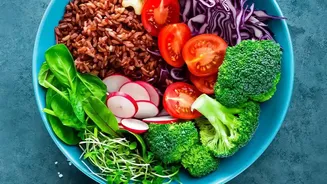
Broccoli has gained popularity but often comes with a higher price tag. Its close cousins, cauliflower (gobhi) and cabbage (patta gobhi), are excellent and affordable alternatives. Cauliflower offers a similar texture and can be used in everything from stir-fries to roasted dishes. Cabbage is incredibly versatile and budget-friendly, perfect for sabzis, slaws, or adding bulk to soups. Both are low in calories and packed with nutrients. For instance, 100 grams of cabbage contains only about 25 calories, along with vitamins that support bone health and immunity.
Swap This: Bell Peppers (Capsicum), For That: Carrots or Pumpkin
Colorful bell peppers can brighten any dish, but they can also be expensive, especially out of season. For that essential crunch and a touch of sweetness, carrots (gajar) are a fantastic, low-cost substitute. They are rich in beta-carotene and fibre, making them a nutritional powerhouse. For dishes where bell peppers are used for bulk and flavour in a curry base, consider pumpkin (kaddu). It's incredibly cheap, cooks down beautifully, and adds a subtle sweetness and creamy texture to gravies. Both are readily available and consistently affordable.
Swap This: Zucchini, For That: Bottle Gourd (Lauki)
Zucchini is a trendy vegetable often used in continental and health-focused recipes, but it's not always easy on the wallet. The humble bottle gourd (lauki) is a perfect local substitute. It has a similar watery, mild character and adapts well to various flavours, just like zucchini. It's light, hydrating, and excellent for digestion. Whether you're making a mixed vegetable curry, koftas, or even a soup, lauki provides the bulk and texture you need at a fraction of the cost.
Swap This: Kale or Lettuce, For That: Spinach (Palak) or Amaranth Greens
Imported greens like kale can be particularly expensive. There’s no need to look further than our local leafy greens, which are nutritional giants. Spinach (palak) is a versatile and affordable option, rich in iron, calcium, and vitamins. Amaranth greens (chaulai) are another excellent choice, boasting high levels of calcium and vitamin A. These local greens are not only cheaper but are often fresher as they haven't travelled long distances. They can be used in salads, smoothies, dals, and sabzis, providing similar or even superior health benefits.
Swap This: Asparagus, For That: Green Beans
Asparagus is a delicacy that is often imported and carries a hefty price tag in Indian markets. For a similar slender, green crunch, turn to green beans. They are a great source of fibre, vitamins, and plant-based protein. Green beans are widely available, much more affordable, and are a staple in Indian cuisine. They work beautifully in a simple stir-fry with garlic, added to a mixed vegetable sabzi, or steamed as a healthy side dish.
More Tips for a Budget-Friendly Kitchen
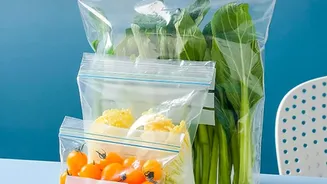
Beyond substitutions, a few habits can stretch your vegetable budget further. Always try to buy seasonal produce from local mandis or farmers' markets for the best prices. Don't shy away from produce that looks a bit 'ugly'—it's just as nutritious. Proper storage is key to reducing waste; for instance, wrapping leafy greens in a paper towel before storing can extend their life. You can also chop and freeze vegetables that are nearing their expiry date to use in soups and smoothies later. Planning your meals for the week helps you buy only what you need, avoiding impulse purchases and potential waste.