








The Tyranny of Time and Tides
Traditionally, the bulk of India's agricultural exports, especially heavy produce, travels by sea. The logic is simple: sea freight is vastly cheaper and can handle enormous volumes. A modern container ship can carry thousands of tonnes in one go, making
it the most economical choice for items with a longer shelf life like grains, spices, or hardy vegetables. However, for delicate, perishable goods, this cost advantage comes with a huge drawback: time. A sea journey from India to Europe or the US can take anywhere from 20 to 40 days. This extended transit time is a death sentence for products like premium mangoes, delicate litchis, or fresh flowers, which can spoil long before they reach their destination. This forces growers into a very narrow and stressful export window, where they must harvest produce at precisely the right moment—mature enough to travel but not so ripe that it perishes mid-journey. This race often leads to post-harvest losses and limits market reach.
Taking to the Skies for Freshness
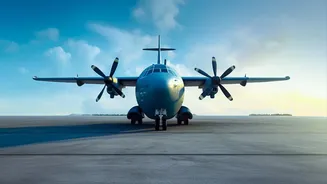
This is where air freight enters the picture. While not a new concept, its strategic use to fundamentally alter the export season for Indian agriculture is gaining momentum. Instead of weeks at sea, air cargo can deliver produce to markets in the Middle East, Europe, or Southeast Asia within 24 to 72 hours. This dramatic reduction in travel time is a game-changer. It means produce can be harvested closer to its natural peak of ripeness, retaining more of its flavour, freshness, and nutritional value. The result is a premium product that can command a higher price in international markets. For consumers in London or Dubai, it’s the difference between a hard, less flavourful mango and one that tastes like it was just picked from a tree in Ratnagiri.
The Benefits: Wider Markets, Higher Value
The most significant advantage of air freight is its ability to extend the viable export season. Growers are no longer hostage to the early-season rush. They can continue to harvest and export later into the season, often when domestic prices have fallen but international demand remains high. This flexibility can lead to better price realisation and more stable incomes. Furthermore, the speed of air transport opens up entirely new markets that were previously inaccessible by sea due to distance. It also drastically reduces spoilage, a major issue in the agricultural supply chain that eats into farmers' profits. By ensuring produce arrives fresh, air freight helps build a stronger brand for Indian agricultural products abroad, associating them with quality and reliability.
The Hurdles: Cost and Cold Chains
Despite its clear advantages, air freight is not a simple solution. The primary barrier is cost. Shipping by air can be four to ten times more expensive than by sea. This makes it economically unviable for lower-value crops. For the strategy to work, the higher transport cost must be offset by the premium price the fresh produce can fetch. The other critical component is the need for an unbroken 'cold chain'. This means having temperature-controlled facilities from the farm packhouse to the airport, on the plane, and at the destination. Any break in this chain can ruin a shipment. While India's cold chain infrastructure is improving, gaps in last-mile connectivity from farms to airports remain a significant challenge.
Paving the Runway for Farmers
Recognising this potential, the Indian government has initiated schemes like Krishi UDAN. Launched by the Ministry of Civil Aviation, this scheme aims to boost agricultural exports by air, particularly from hilly and tribal regions. It works by providing incentives to airlines and waiving certain airport charges for transporting agricultural produce, making air freight more affordable. The scheme focuses on creating better integration between farmers, logistics providers, and airlines to build a seamless supply chain. For this to succeed on a large scale, continued investment in airport cargo infrastructure, dedicated perishable cargo centres, and improved road connectivity to production hubs is essential. These efforts help transform airports into gateways for agricultural prosperity, connecting Indian farmers directly to the world's dining tables.