





The Landmark GST Overhaul
In September 2025, the GST Council implemented what is now known as 'GST 2.0' for the automotive sector. The centerpiece of this reform was a substantial tax reduction for small cars, with the GST rate dropping from 28% to a much lower 18%. Crucially,
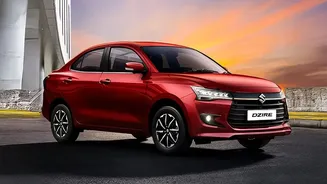
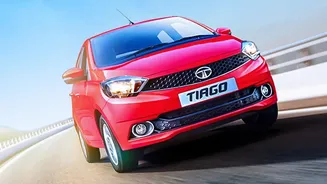
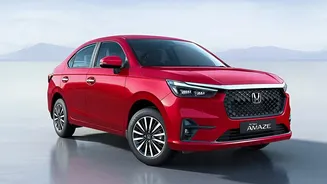
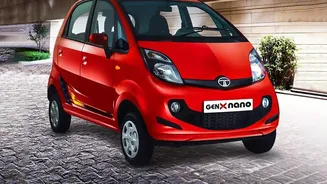
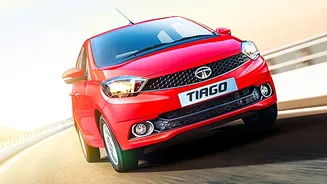
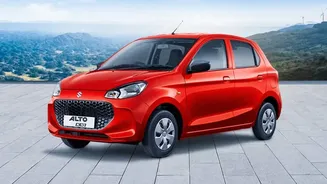
the accompanying compensation cess, which often added several percentage points to the final price, was also removed for this category. For GST purposes, a 'small car' is clearly defined: a vehicle with a length under 4,000 mm and an engine capacity of up to 1200cc for petrol, CNG, or LPG models, or up to 1500cc for diesel variants. This category includes many of India's most popular hatchbacks and compact sedans. Larger cars and SUVs also saw a tax revision to a flat 40% rate, which, by eliminating the high cess, reduced their overall tax burden as well.
A Powerful Revival for the Small Car
The impact of the tax cut was both immediate and profound, triggering a sales surge that has continued for over a year. According to the Federation of Automobile Dealers Associations (FADA), the auto retail sector grew by nearly 20% in the 11 months following the reform, a massive jump from the sub-5% growth seen in the preceding year. The trend is most pronounced in the entry-level segment. Maruti Suzuki, the market leader, reported that sales in its entry-level car category surged by an astonishing 96% between April and August 2026. This revival is largely powered by the return of the first-time car buyer. After years of losing ground to the aspirational appeal of SUVs, affordable hatchbacks are once again becoming the vehicle of choice for households entering the world of four-wheeler ownership.
Why This Change Was So Crucial
The GST reduction was a strategic intervention in a market that needed a stimulus. For several years, the entry-level car segment had been facing sluggish demand. Rising acquisition costs and a consumer shift towards feature-rich, larger SUVs had put pressure on manufacturers of smaller vehicles. The government's decision to slash taxes was seen as a 'booster dose' for the industry, specifically aimed at improving affordability and reigniting demand ahead of the festive season in 2025. By directly addressing the price barrier, the reform aimed to make personal mobility accessible to a broader section of the population, particularly in smaller towns and semi-urban areas where budget-friendly cars have traditionally dominated.
What the Savings Mean for Buyers
The 10-percentage-point drop in GST translates into significant real-world savings for consumers. For example, a hatchback with an ex-factory price of ₹6 lakh could see its on-road price decrease by as much as ₹60,000, a substantial amount for a budget-conscious buyer. This price correction affects some of India's best-selling models, including the Maruti Suzuki Swift and Wagon R, Hyundai i20, and Tata Punch, all of which fall under the small car classification. The increased affordability has not only encouraged new buyers but has also likely prompted existing owners of two-wheelers or older cars to upgrade, further fuelling the sales momentum that has defined the market over the past year.
The Broader Economic Ripple Effect
The benefits of the GST rationalisation extend far beyond dealership floors. The surge in vehicle production creates a positive ripple effect across the entire manufacturing ecosystem. Ancillary industries that produce everything from tyres and batteries to glass, steel, and electronic components have seen a corresponding increase in demand. Furthermore, the government simplified the tax structure for auto parts, bringing them under a uniform 18% GST slab, which has streamlined the supply chain for manufacturers. This vibrant activity supports job creation not just in factories, but also in logistics, auto-financing, insurance, and the vast network of service centers and mechanics that keep the nation's vehicles running.