


A Torrent of Ice and Rock
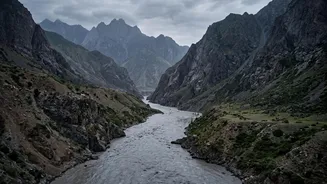
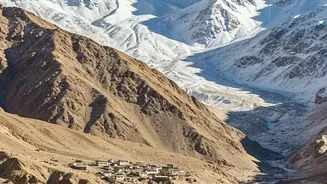
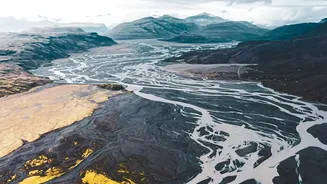
In late August, a massive chunk of a glacier high in the Himalayas broke off, triggering a landslide and unleashing a devastating flood. The torrent of water, rock, and mud surged through the Bhote Koshi and Trishuli river systems, wiping out entire communities,
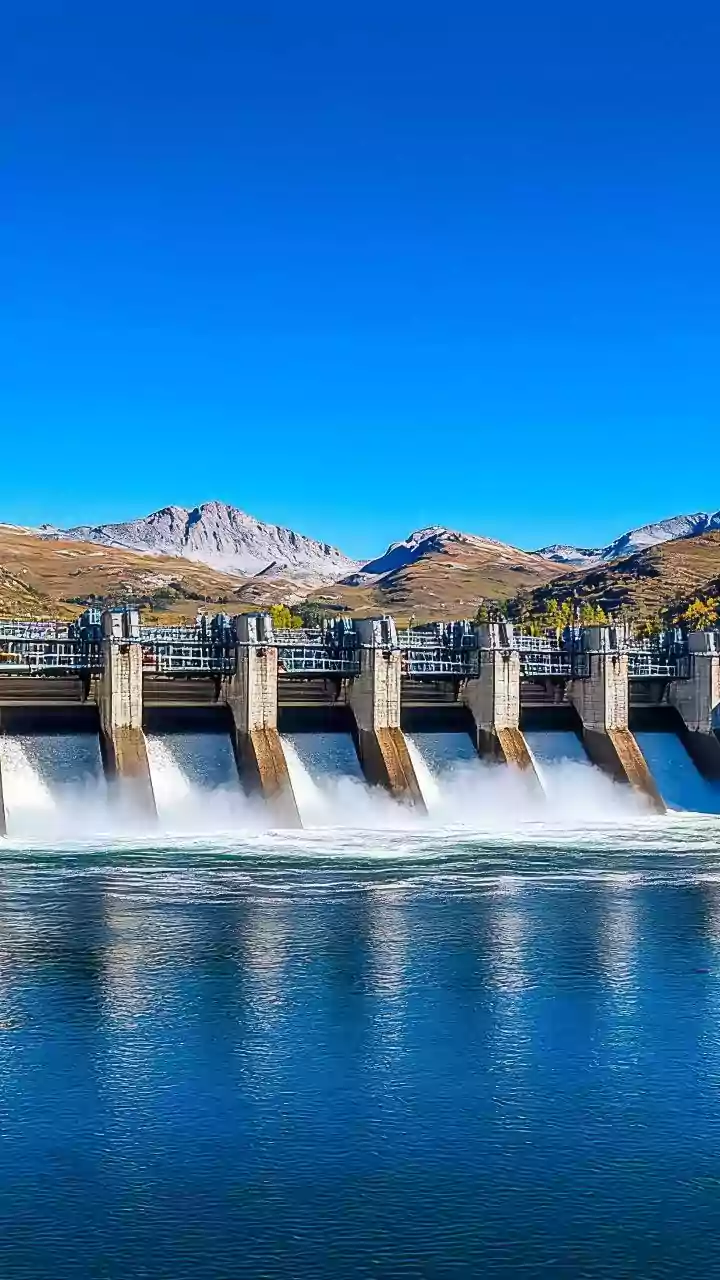
bridges, and crucial hydropower projects in Nepal and China's Tibet region. The scale was immense, with seismic stations initially registering the glacier collapse as a magnitude 5.2 event. At one monitoring station, the river level rose by nine metres in just thirty minutes, giving residents no time to escape. Hundreds were killed, with thousands more reported missing, including tourists and workers, a grim reminder of the region's vulnerability.
The Himalayas Are Warming Faster
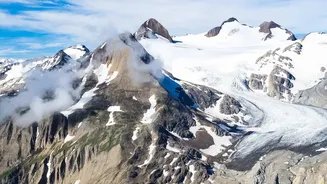
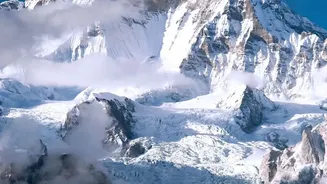
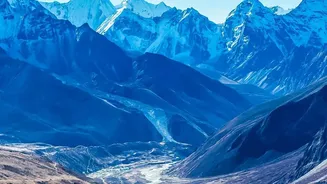
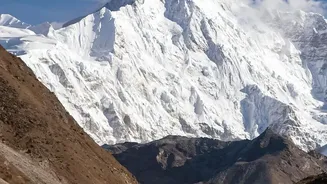
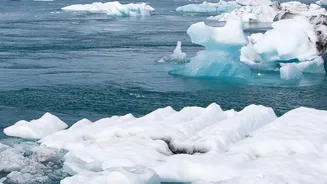
While it is complex to link any single event directly to climate change, scientists agree that rising global temperatures are supercharging the risks. The Hindu Kush Himalaya region is warming significantly faster than the global average. This accelerated warming is melting glaciers at an alarming rate, with ice-loss rates doubling since 2000. As glaciers retreat, they leave behind vast quantities of meltwater, forming glacial lakes. These lakes are often dammed by unstable walls of moraine—loose rock and sediment—that can breach without warning, causing a catastrophic Glacial Lake Outburst Flood (GLOF). Events like the one in Nepal are becoming more frequent and intense, turning predictable seasonal melts into unpredictable, deadly hazards.
A Foundation of Risk and Hasty Development
The Himalayas are geologically young and seismically active, making them inherently prone to natural hazards like landslides. This natural fragility is being dangerously amplified by a boom in infrastructure development. Across the region, including in Indian states like Uttarakhand and Himachal Pradesh, there is a rush to build dams, highways, tunnels, and railways. Often, this construction proceeds without adequate geological surveys or adherence to safety norms, destabilising fragile slopes. This combination of poorly planned construction on unstable terrain creates a recipe for disaster, turning heavy rainfall or seismic tremors into large-scale tragedies.
A Warning for India
The tragedy in Nepal is not an isolated incident; it is a preview of what could happen in other parts of the Himalayas. The Indian states of Uttarakhand, Himachal Pradesh, and Sikkim share the same volatile cocktail of risks. Events like the 2021 Rishiganga disaster in Chamoli, where a rock and ice avalanche destroyed two hydropower projects and killed over 200 people, show India's acute vulnerability. The 2023 floods in Himachal Pradesh and the South Lhonak GLOF in Sikkim are other recent examples of how extreme weather and melting glaciers are creating a new, more dangerous reality for mountain communities. The increasing frequency of these disasters shows that state and national borders offer no protection from a regional crisis.
The Urgent Need for Cooperation
The Nepal disaster underscores the interconnectedness of the Himalayan ecosystem. A disaster that starts in one country can have devastating consequences downstream in another. This reality calls for enhanced cross-border cooperation on disaster management. While some community-led early warning systems are in place between India and Nepal, they need to be scaled up and integrated into national policies. Timely sharing of data on river flows, glacier stability, and weather patterns is crucial to saving lives. Experts argue that the region must shift from a purely extractive and development-focused approach to one prioritising ecological stewardship and resilience. Without this change, the mountains will only grow more dangerous.