


The Secret Is in the Tang
What makes sourdough so uniquely versatile? It all comes down to its creation. Instead of commercial yeast, sourdough relies on a 'starter'—a living culture of wild yeast and beneficial bacteria. This natural fermentation process is slower, allowing complex
flavours to develop. The lactic and acetic acids produced by the bacteria give sourdough its signature tangy taste. This subtle sourness is the key; it acts as a perfect counterpoint, cutting through the richness of savoury foods and balancing the sweetness of others, preventing dishes from becoming one-dimensionally sweet or heavy.
The Sturdy, Savoury Foundation
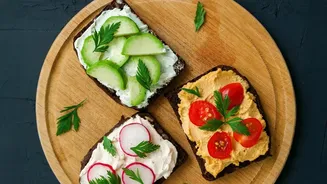
On the savoury side, sourdough’s robust structure is its greatest asset. The chewy crumb and thick crust can stand up to hearty toppings without turning soggy. Think beyond the simple slice of butter. Consider a Greek-inspired toast with chopped tomatoes, cucumbers, and feta, where the sourdough's tang complements the salty cheese and fresh vegetables. Or elevate a simple lunch with a croque monsieur, where the sturdy bread holds its own against melted cheese and ham. It’s also the perfect vessel for saucy dishes like smoky baked beans or for dipping into a rich, brothy French onion soup, absorbing flavour without falling apart.
A Surprising Sweet Side
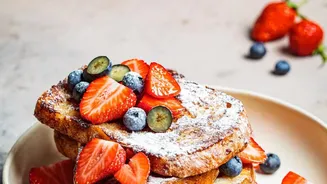
While we often associate its tang with savoury foods, sourdough provides an incredible backbone for sweet dishes. The slight sourness enhances sweetness rather than competing with it. A classic example is sourdough French toast; the bread’s crunchy crust and tangy flavour create a more complex and satisfying dish than one made with plain white bread. Slices of sourdough are brilliant when topped with ricotta and figs, where the cheese provides creaminess and the fruit adds a delicate sweetness. You can also try it toasted with peanut butter, banana, and a drizzle of honey, or with a simple spread of chocolate hazelnut spread for a decadent treat.
Beyond the Slice
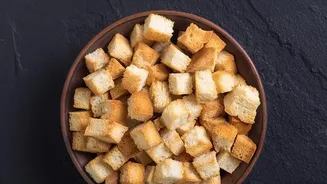
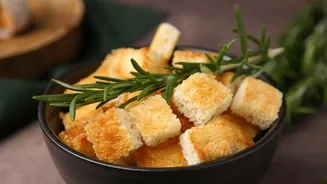
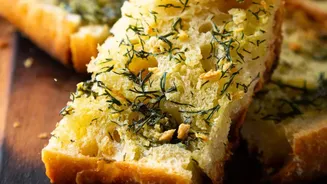
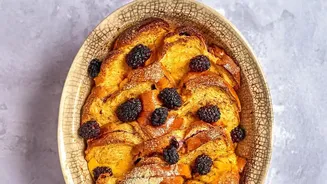
The versatility of sourdough extends far beyond simple toast toppings. Don't discard a loaf that has gone a bit stale. Its firm texture makes it ideal for creating homemade croutons for salads or soups—simply cube the bread, toss with olive oil and herbs, and bake until golden. Stale sourdough is also the perfect foundation for a classic bread pudding, where it soaks up the sweet custard beautifully. You can transform it into breadcrumbs to top a casserole or use it as the star ingredient in a rustic Panzanella salad with ripe tomatoes and a vinaigrette dressing.
How to Pick a Perfect Loaf
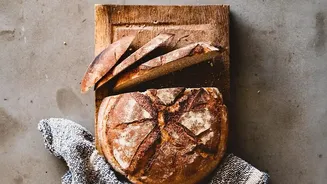
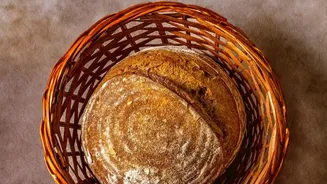
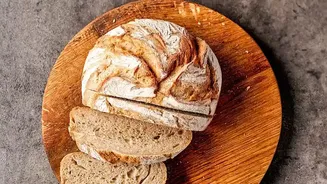
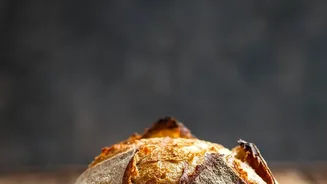
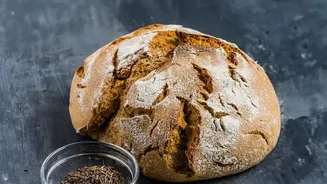
To get the most out of your meals, it pays to know what to look for in a good loaf. A great sourdough should feel heavy for its size, with a deep golden-brown, crackly crust. When you slice into it, you should see an open, airy crumb with holes of varying sizes—a sign of good fermentation. The aroma should be pleasantly tangy but not overwhelmingly sour. A well-made loaf will have a chewy texture and a complex flavor that is delicious on its own, providing the perfect canvas for your culinary experiments.