



What Exactly Is Seed Cycling?
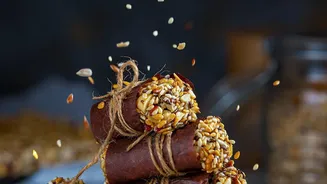
Seed cycling is a practice that involves eating specific seeds during different phases of the menstrual cycle. The protocol is quite specific: during the first half of the cycle, the follicular phase (from day one of your period to ovulation), followers
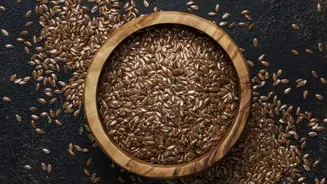
consume about a tablespoon each of ground flax and pumpkin seeds daily. The theory is that compounds in these seeds, like phytoestrogens and zinc, help support healthy estrogen levels. Then, for the second half, the luteal phase (from ovulation until your next period), the regimen switches to sunflower and sesame seeds to supposedly boost progesterone production. The seeds are a powerhouse of nutrients, providing healthy fats, fibre, and minerals, which contributes to their appeal as a 'natural' solution.
A Popular Trend, But Not A Proven Treatment
Despite its popularity in wellness circles, seed cycling is not a medically proven treatment. The evidence supporting it is largely anecdotal, meaning it's based on personal stories rather than rigorous scientific studies. While some small studies have looked at the effects of individual seeds—for instance, flaxseeds have been studied for their lignan content, which can influence estrogen—there are no large-scale clinical trials that have tested the complete seed cycling protocol and its direct impact on hormone levels. Experts point out that while the seeds themselves are nutritious, there is insufficient evidence to claim that eating them in a specific rotational pattern can correct a hormonal imbalance. Any benefits people feel might come from the overall nutritional boost of adding more fibre and healthy fats to their diet, or even a placebo effect.
Why You Still Need a Doctor
Hormonal symptoms are more than just an inconvenience; they can be signals from your body that something is wrong. Issues like highly irregular periods, severe PMS, persistent acne, unexplained weight changes, or difficulty conceiving can be signs of underlying medical conditions. Polycystic Ovary Syndrome (PCOS), thyroid disorders, endometriosis, or fibroids are all serious conditions that require a proper diagnosis from a healthcare professional. Relying solely on seed cycling or any alternative therapy can delay diagnosis and treatment, potentially allowing the condition to worsen. A doctor can run the necessary tests, like blood work and ultrasounds, to identify the root cause of your symptoms and recommend evidence-based treatments.
A Complement, Not a Cure
This doesn't mean you have to throw out your seeds. Think of seed cycling as a complementary health practice, not a primary treatment. Incorporating flax, pumpkin, sesame, and sunflower seeds into your diet is a great way to improve your overall nutrition. They can be a healthy part of a balanced diet that supports general wellbeing. However, it's crucial to view it this way: as a supportive dietary habit, much like eating more vegetables or drinking enough water. If you have concerns about your hormones, the first and most important step is to speak with a doctor. They can provide a safe and effective path forward, which may or may not include dietary changes as part of a larger, medically supervised plan.