




Understanding the Scale
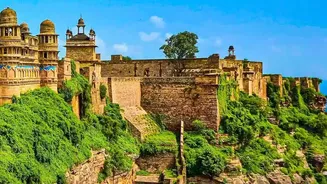
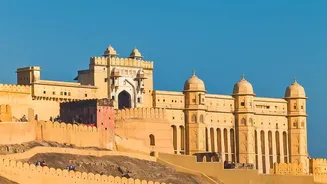
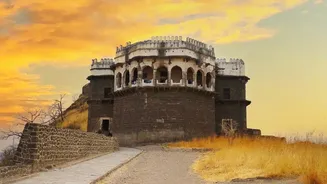
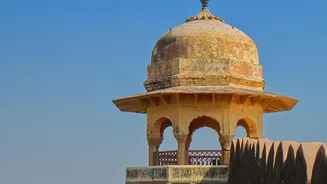
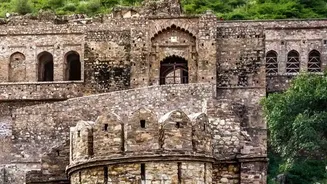
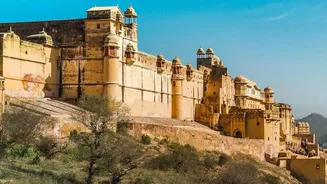
The first thing to understand about India's most famous forts, particularly those in Rajasthan, is that they are not single buildings. They are fortified cities. These vast complexes contain palaces, temples, barracks, stables, reservoirs, and markets,
all connected by steep, winding paths and countless stairs. They were designed to sustain entire populations during long sieges, and their scale can be breathtakingly deceptive from afar. Unlike a European castle that you might tour in an hour, many of India's premier forts require at least three to four hours to do justice to the main sights, and a full day to truly explore. Thinking of them as historical theme parks rather than simple monuments is a useful mental shift that prepares you for the physical commitment they demand.
The Non-Negotiable Footwear
There is a reason why “wear comfortable shoes” is the number one tip for visiting these sites. The terrain inside is often uneven, with centuries-old cobblestones designed for horses and elephants, not modern trainers with thin soles. You will encounter steep ramps (built to allow for cavalry charges), worn-down stone steps with irregular heights, and vast courtyards baked by the sun. A good pair of walking shoes with thick, gripping soles is essential. This isn't the place for fashionable flats or flimsy sandals. Prioritising support and comfort will be the single best decision you make, allowing you to focus on the intricate architecture and stunning views instead of your aching feet. Choosing closed-toe shoes also protects you from the dust and intense sun.
Case Study: Chittorgarh, a City on a Hill
Chittorgarh Fort, a UNESCO World Heritage site, is a prime example of why you need time and good shoes. Sprawling over 700 acres on a high plateau, its perimeter wall runs for 13 kilometres. Inside, it holds 65 historic structures, including palaces, 19 temples, and multiple victory towers. It is far too large to explore entirely on foot in a single visit, and most visitors hire a vehicle to drive between the key clusters of monuments. Even then, each stop requires significant walking. To see the Vijay Stambha (Victory Tower), Rana Kumbha Palace, and the beautiful Padmini Palace, you can easily spend half a day and clock up thousands of steps. Rushing it in two hours means you'll only see a fraction from a car window, missing the stories etched into its stones.
Case Study: Kumbhalgarh and its Great Wall
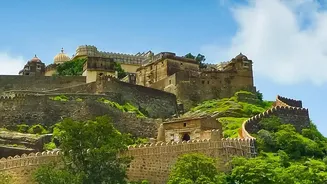
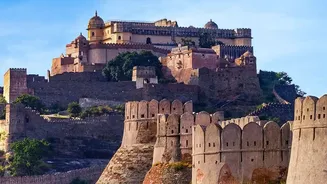
If Chittorgarh is a fortified city, Kumbhalgarh is a mountain stronghold protected by what is known as the 'Great Wall of India'. This massive wall, the second longest in the world after China's, runs for a staggering 36 kilometres through the Aravalli Hills. While no visitor walks the entire length, exploring the main fort complex is an uphill journey. The climb to the Badal Mahal, or 'Palace of Clouds', at the very top is steep but rewards you with panoramic views of the serpentine wall and the surrounding wildlife sanctuary. Just the core part of the visit, walking from the main gate up to the palace and back, can take around three hours of steady walking on inclined paths. This is a fort that truly makes you earn its secrets.
The Luxury of an Unhurried Visit
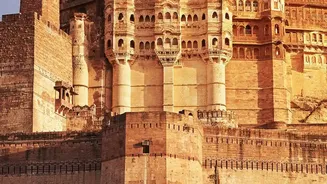
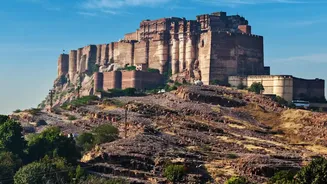
Beyond the physical demands, rushing a fort visit means you miss the magic. These are places of incredible detail and atmosphere. An unhurried pace allows you to notice the intricate mirror work in a Sheesh Mahal, appreciate the acoustics of a clapping portico at Golconda, or simply find a quiet window to gaze out at the 'blue city' from Mehrangarh Fort. It gives you time to hire a local guide whose stories can bring the ruins to life, transforming a collection of buildings into a stage for epic tales of valour and romance. The best times to visit are early in the morning or late in the afternoon to avoid the intense midday heat and the biggest crowds. This also provides the best light for photography, turning stone from a flat grey into a warm, golden hue.
Plan for a Journey, Not a Snapshot
When planning your itinerary, treat each major fort as a primary activity for the day, not something to be squeezed in between lunch and shopping. Pack water, sunscreen, and a hat, as shade can be scarce in the vast courtyards. Check opening and closing times, and be aware that some forts have different timings for specific palaces or museums within the complex. By allocating sufficient time and wearing the right gear, you change the experience from an exhausting trek into an unforgettable journey through India's magnificent history. You are no longer just a tourist taking a photo; you are a traveller stepping back in time.