


The Instinct to Hide Pain
Our pets are masters of disguise when it comes to discomfort. This isn't stubbornness; it's a deeply ingrained survival instinct. In the wild, showing any sign of weakness, such as pain, would make an animal vulnerable to predators. Even though they live
safely in our homes, this instinct remains. A pet will often endure significant dental pain, choosing to eat through the discomfort because the drive to eat is stronger than the impulse to show they are hurting. They may make subtle changes, like chewing on one side of their mouth or swallowing kibble whole, but they will continue to eat until the pain becomes unbearable. By the time a pet stops eating, their dental disease is often in an advanced and severe stage.
Hidden Signs of Dental Trouble
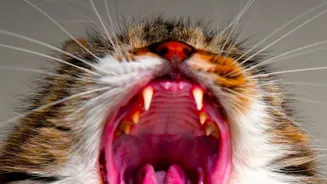
Since an empty food bowl isn't a reliable indicator, owners must learn to spot the more subtle signs of dental disease. Persistent bad breath is one of the most common red flags and often the first symptom owners notice. While 'doggy breath' is one thing, a strong, foul odor usually points to a bacterial infection in the mouth. Other warning signs include red, swollen, or bleeding gums, which indicate inflammation known as gingivitis. You might also observe excessive drooling, sometimes tinged with blood, or notice your pet pawing at their face. Changes in behavior, such as a reluctance to play with chew toys or becoming withdrawn and irritable, can also signal oral discomfort.
From Plaque to Periodontal Disease
Dental disease is a progressive issue that affects the vast majority of pets. Studies show that by the age of two or three, up to 80% of dogs and 70% of cats show some signs of dental disease. The problem begins with plaque, a sticky film of bacteria that forms on teeth within hours of eating. If not removed by brushing, this plaque hardens into tartar, a yellow or brown deposit that irritates the gums. This irritation leads to gingivitis, the earliest stage of periodontal disease. Left untreated, the infection travels below the gumline, destroying the tissues and bone that support the teeth. This can lead to severe pain, abscesses, loose teeth, and even jaw fractures in small-breed dogs.
The Link to Overall Body Health
Perhaps the most critical reason to care for your pet’s teeth is the proven link between oral health and systemic diseases. Bacteria from an infected mouth can easily enter the bloodstream through inflamed gums, a condition known as bacteremia. Once circulating, these bacteria can travel to vital organs, causing inflammation and damage. Research has shown a strong association between advanced periodontal disease and an increased risk of heart, kidney, and liver disease. The constant effort by the liver and kidneys to filter these bacteria can lead to chronic strain and damage. In dogs, bacteria can lodge in heart valves, leading to a serious condition called endocarditis. For cats, advanced dental disease is linked to a higher likelihood of developing chronic kidney disease. Essentially, a healthy mouth helps protect your pet’s entire body.
How to Start a Brushing Routine
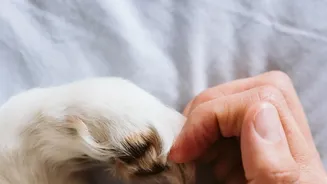
Starting a dental care routine doesn't have to be intimidating. The key is to be patient and make it a positive experience. Begin by getting your pet comfortable with you handling their mouth and lips. Let them lick a small amount of pet-specific toothpaste from your finger; never use human toothpaste, as it can be toxic to animals. Gradually introduce a pet toothbrush or a finger brush, letting them sniff and investigate it first. Start by brushing just a few teeth for a short time, focusing on the outer surfaces where plaque accumulates most. Always end the session with praise and a high-value treat to reinforce the behavior. Even brushing a few times a week can make a significant difference in preventing plaque and tartar buildup.