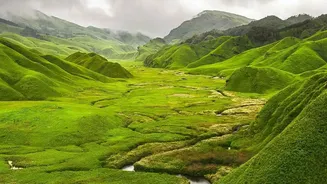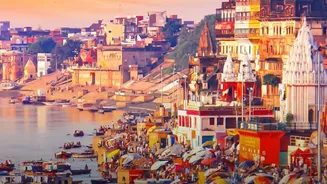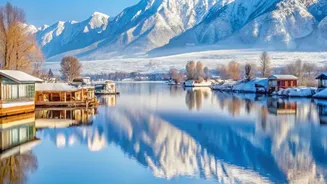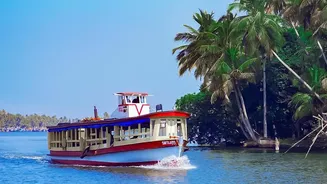






The great Indian holiday is changing. The frantic, checklist-driven tour is giving way to something slower and more intentional. A growing number of travellers are now seeking restoration over sightseeing, sparking a boom in wellness holidays.
From Itinerary-Packed to Purpose-Driven
For decades,
a successful holiday was measured by the number of landmarks visited and photos clicked. But a significant shift is underway. In a world of chronic burnout and digital fatigue, many Indian travellers are redefining the purpose of a vacation. Instead of escaping life, they are travelling to enhance it. Recent Google Trends data highlights this evolution, with searches for 'wellness travel India' surging by a staggering 1,600% in the past year. This isn't just a fleeting interest; it signals a deeper move towards trips built around personal well-being rather than a packed schedule. The question is no longer 'How much can I see?' but 'How do I want to feel?'.
What is a Wellness Holiday Anyway?
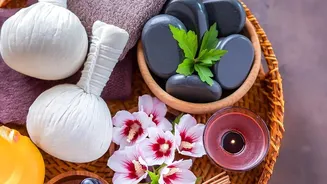
The term 'wellness holiday' goes far beyond simple spa treatments. It refers to any travel experience undertaken with the specific intention of improving one's physical, mental, or spiritual health. This can take many forms: a yoga and meditation retreat in Rishikesh, an Ayurvedic rejuvenation program in Kerala, a silent retreat to disconnect from daily noise, or even a fitness-focused trip. The goal is to return not just rested, but genuinely restored. These journeys are about actively pursuing well-being, whether that means detoxifying the body, calming the mind, or learning healthier habits that can be integrated back into daily life.
The Rise of 'Slow Travel'
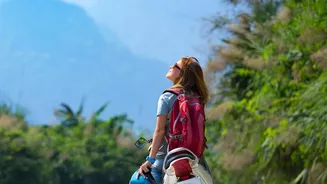
Hand-in-hand with the wellness boom is the concept of 'slow travel'. In fact, 'what is slow travel' has become a breakout search query in India. This approach encourages travellers to spend longer in a single destination, prioritising connection with the local culture, environment, and themselves over covering vast distances. It's a direct response to the pressures of modern life, where even holidays can feel like work. By ditching the rushed itinerary, travellers create space for spontaneous discoveries, meaningful interactions, and a deeper sense of place. This philosophy aligns perfectly with wellness, as true relaxation often requires shedding the pressure of a deadline-driven schedule.
A Return to Indian Roots
A fascinating aspect of this trend is that it represents a return to India's own heritage. The country is a global hub for ancient wellness practices like Ayurveda, yoga, and naturopathy. For years, these traditions attracted international tourists, but now a growing number of domestic travellers are exploring them. Destinations like Kerala and Uttarakhand are seeing a surge in local visitors seeking authentic healing experiences. This movement is supported by government initiatives like the 'Heal in India' campaign, which aims to position the nation as a premier destination for integrated and preventive wellness.
The Post-Pandemic Push for Well-being
The COVID-19 pandemic acted as a powerful catalyst for this shift, heightening awareness around mental and physical health. Studies show that a majority of Indian travellers now prioritise their mental well-being more than they did before the pandemic. The stress and isolation of recent years have led many to seek travel that offers genuine therapeutic benefits. This includes not only structured retreats but also trips focused on nature, outdoor activities, and finding 'hidden gems' away from the crowds—a search term that has seen a 400% increase in interest. People are actively seeking quiet, restorative spaces to de-stress and reconnect with themselves.