





The Strategy: Fewer, Simpler, Better?
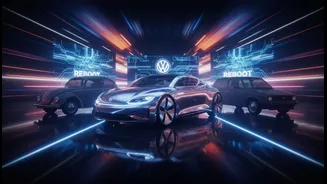
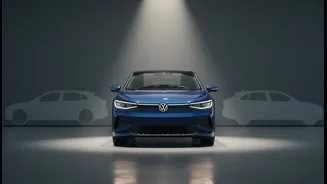
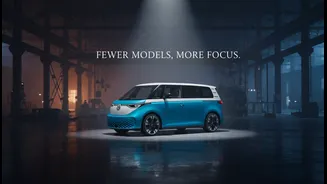
In a bold move announced in July 2026, the German automotive giant declared its intention to streamline its global model lineup by up to 50 percent by 2030. This isn't just about discontinuing a few slow-selling cars; it's a fundamental overhaul. The
company also plans to slash the complexity within each model, reducing the number of available equipment options and variants by as much as 75 percent. The stated goal is to concentrate on the most popular and profitable market segments, allowing the group to focus its investment on developing better technology and more compelling core products. For a company that once prided itself on having a car for every niche, this is a dramatic pivot.
Behind the Big Cleanup
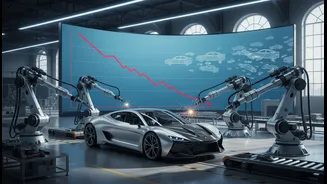
This drastic cleanup is driven by a perfect storm of challenges. The enormous cost of developing new electric vehicles (EVs) while simultaneously maintaining a lineup of internal combustion engine (ICE) cars has put immense pressure on finances. Volkswagen brand CEO Thomas Schäfer has been vocal about the company being "no longer competitive" due to high costs and complex structures. Intensifying global competition, especially from agile new players in the EV space, and a tough market environment have made the group's sprawling, often overlapping product portfolio an expensive liability. By eliminating what it calls "technological parallel structures," where different brands develop similar things independently, the group aims to boost efficiency and make its business model more resilient.
One Platform to Rule Them All
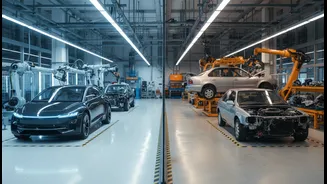
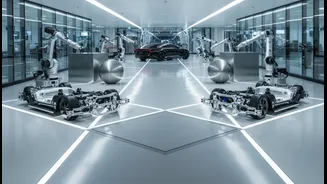
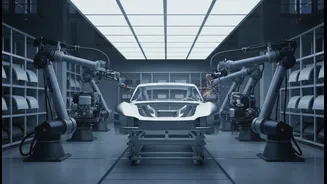
At the heart of this simplification is a new, unified vehicle architecture called the Scalable Systems Platform (SSP). This next-generation platform is designed to be the foundation for a vast majority of the group's future electric cars, from compact VWs to premium Audis. The idea is to create a highly standardized base—including common battery systems, software, and electronic architecture—that can be scaled and adapted for different vehicle types. This will drastically reduce development costs and production complexity, allowing for huge economies of scale. While the full rollout is set for the end of the decade, the SSP represents the hardware and software backbone for VW's leaner future.
Brand Identity on the Line
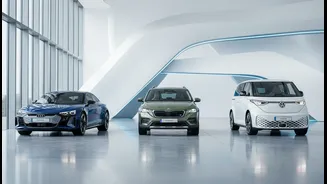
A key question for buyers is: if a Skoda, an Audi, and a Volkswagen all share the same fundamental platform, what will make them different? Volkswagen insists that brand identities will be preserved and even sharpened. The differentiation will come less from unique mechanical components and more from exterior and interior design, driving dynamics, and, crucially, the digital experience. The software, user interface, and connected services will play a much larger role in defining a brand's character. Skoda, for instance, has stated it is not immediately impacted by the cuts and continues to operate at full capacity as one of Europe's best-selling brands, highlighting its distinct position within the group.
What This Means for Your Next Car
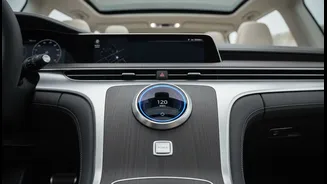
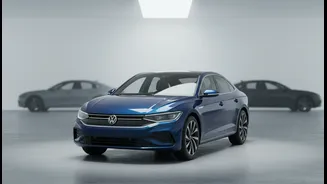
When you walk into a showroom in the coming years, the change will be noticeable. The days of configuring a car with dozens of engine choices, gearbox combinations, and standalone options are numbered. Instead, expect to find a more curated selection of models and pre-configured trim packages. While some niche models, particularly those with low sales volumes, may be discontinued, popular models in key segments like SUVs are likely to remain. Recent reports have suggested models like the VW Jetta and even the Porsche Taycan could be on the chopping block, though the company has not confirmed specific cuts. The simplification has already started, with VW executives acknowledging past mistakes with confusing touch-sensitive interiors and vowing a return to more user-friendly designs.