

Moong dal is a staple in most Indian kitchens, beloved for its quick-cooking nature and light, comforting taste. But this versatile lentil has so much more to offer beyond the classic dal tadka, especially when it comes to snacks.
The Powerhouse Lentil
Before diving into the
recipes, it is worth noting why moong dal is such a fantastic ingredient to incorporate into your meals. It is packed with plant-based protein and dietary fibre, which helps in keeping you full and aids in digestion. Moong dal is also rich in essential nutrients like potassium, magnesium, and various B vitamins. It is considered one of the easiest lentils to digest, making it a gentle yet nutritious option for all ages. Its ability to be used whole, split, or even sprouted makes it incredibly versatile in the kitchen. By using it in snacks, you can transform simple treats into something far more wholesome.
From Dal to Delicious Tikkis
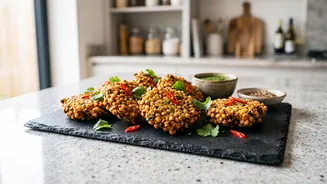
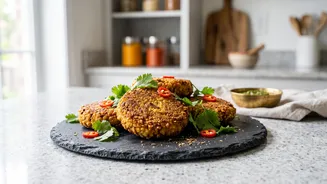
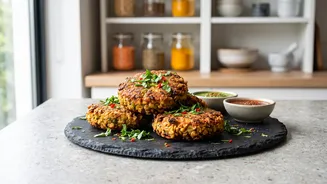
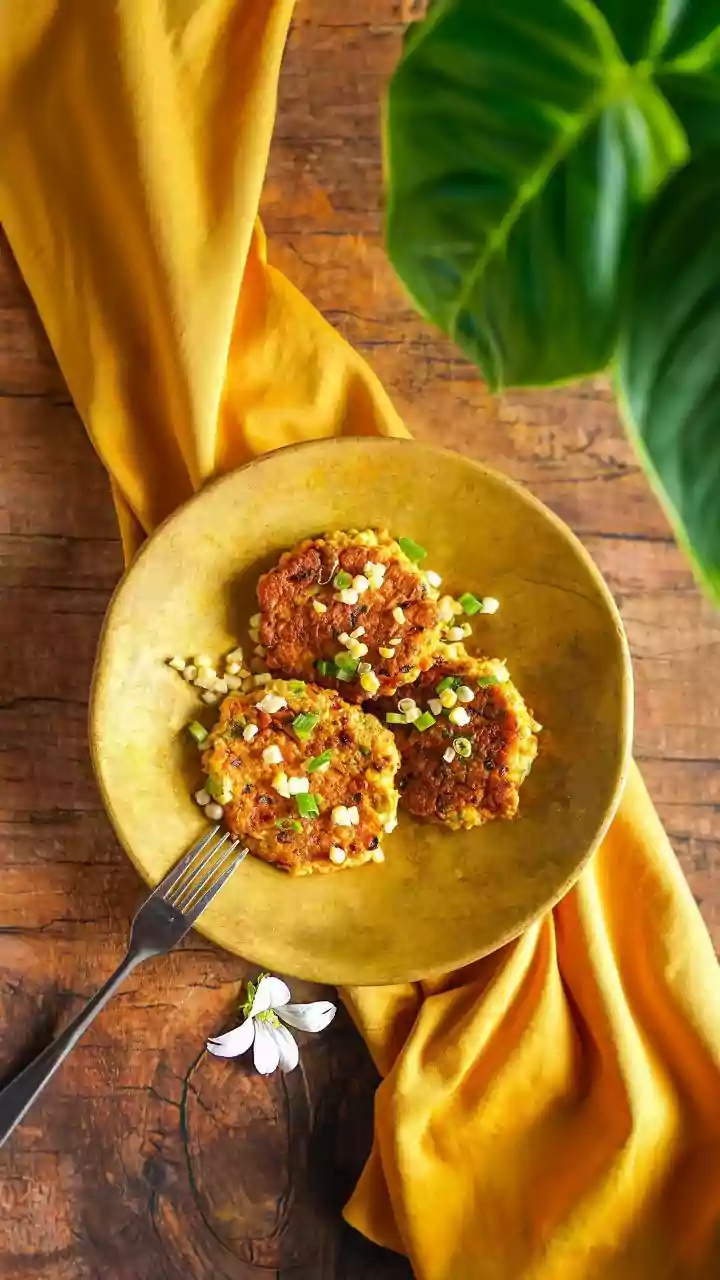
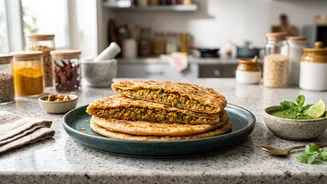
One of the most creative ways to use moong dal is by transforming it into flavourful, crispy tikkis. These patties are a perfect evening snack or party appetiser. The process begins with soaking yellow moong dal for about two to three hours. Once soaked, the dal is drained and ground into a coarse paste—this texture is key to a good tikki. To this paste, you can add a variety of ingredients to build flavour. Finely chopped onions, green chillies, grated ginger, and fresh coriander are classic additions. Spices like cumin powder, turmeric, red chilli powder, and chaat masala lend a distinctly Indian taste. For binding, some recipes call for boiled and mashed potatoes or a few tablespoons of gram flour (besan), which helps shape the tikkis and prevents them from breaking apart during cooking.
Tips for Perfect Moong Dal Tikkis
To get your tikkis just right, ensure you drain the soaked dal thoroughly to avoid a watery mixture. After mixing all the ingredients, shape the mixture into small, flat patties. You can then shallow fry them on a non-stick pan over medium heat until they are golden brown and crisp on both sides. Some recipes even use an air fryer for a lower-oil version. For extra crunch, you can add a small amount of suji (semolina) or breadcrumbs to the mixture. These tikkis are best served hot, paired with mint chutney or tomato ketchup for a delightful snack.
Creating Protein-Packed Dosa Batter
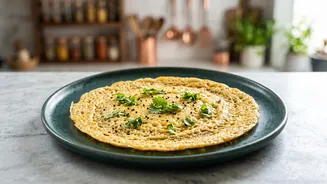
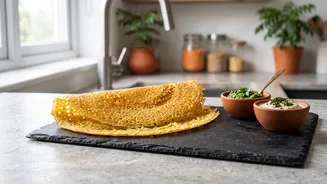
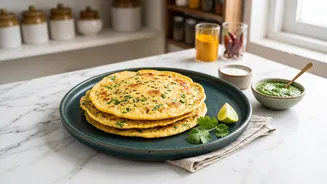
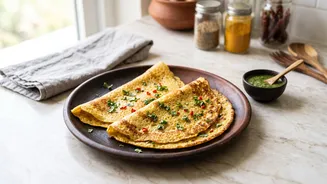
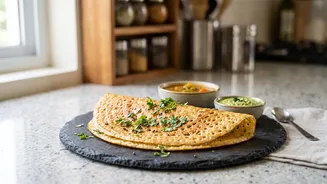
Another fantastic application for moong dal is in dosa batter, a preparation famously known as Pesarattu in Andhra Pradesh. This dosa is typically made with whole green moong beans, which give it a distinct colour and earthy flavour. Unlike traditional urad dal-based dosas, moong dal dosa batter does not necessarily require fermentation, making it a much quicker option. The process starts with soaking whole green moong for at least four to six hours, or even overnight. For a crispier texture, a small amount of raw rice is often soaked along with the dal.
Mastering the Moong Dal Dosa
After soaking, the moong and rice are drained and ground into a smooth, flowing batter. Ginger, green chillies, and cumin seeds are often blended in with the dal to infuse the batter with flavour right from the start. The batter should have a consistency similar to regular dosa batter, thick enough to pour but thin enough to spread. Once the batter is ready, you can make the dosas immediately. Heat a tawa, pour a ladleful of batter, and spread it in a thin circle. A popular way to serve Pesarattu is by sprinkling finely chopped onions on top while it cooks. Cook until the edges lift and the bottom is golden brown, then fold and serve hot with a side of ginger chutney or coconut chutney.