

A Twelve-Year Spectacle
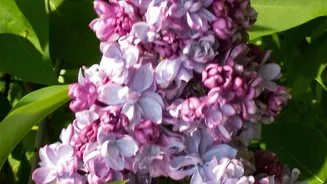
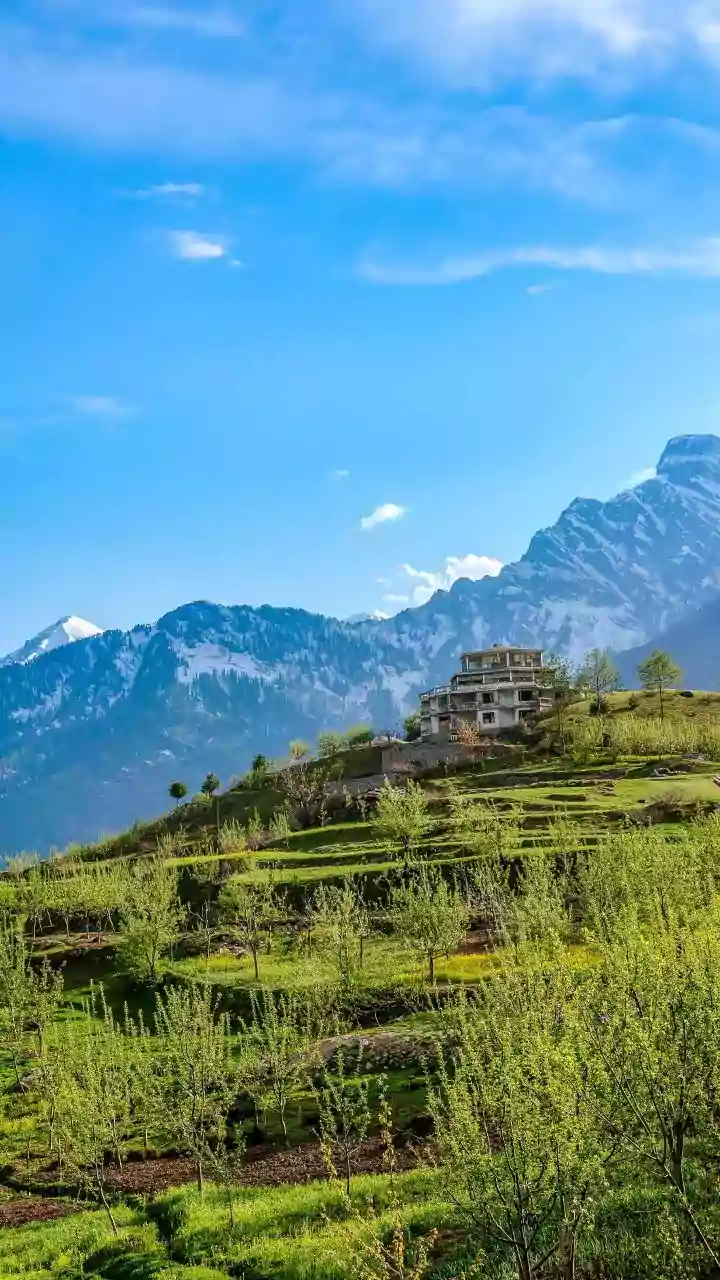
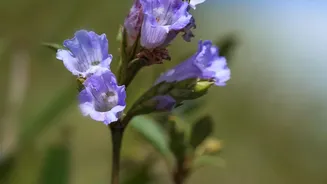
The star of this recurring phenomenon is Strobilanthes kunthiana, a shrub endemic to the shola forests of the Western Ghats. The name Neelakurinji translates from Malayalam and Tamil as 'blue flower'. What makes it legendary is its highly unusual life
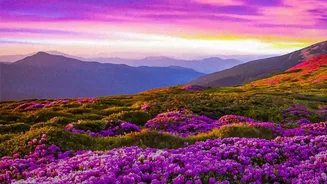
cycle. The plant grows for 12 years, unleashes a synchronised, mass flowering event, sets seed, and then dies. This strategy, known as being a plietesial or monocarpic plant, means it reproduces only once in its lifetime. This biological clock is so precise that local tribal communities, like the Paliyan people, have historically used the bloom to calculate their age. While the most famous flowering cycle occurred last in 2018 and is next expected in 2030, the story is more complex. Different populations of the shrub exist on separate 12-year clocks, which is why localised blooms are being witnessed in parts of Munnar, like near Mattupetty, in 2026.
More Than Just a Pretty Flower
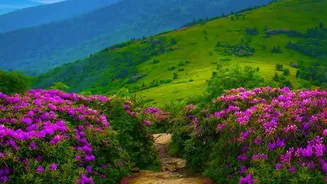
The Neelakurinji’s significance extends far beyond its visual appeal. Ecologically, it is a vital indicator species for the health of the high-altitude shola grasslands. The mass blooming supports a burst of life, attracting a wide array of pollinators like honeybees and butterflies, which are crucial for the wider ecosystem. The honey harvested during this period is said to be exceptionally sweet and is highly prized. The flower is deeply woven into the cultural fabric of the region, with mentions in ancient Tamil Sangam literature where it symbolises love and longing. The Nilgiri Hills, which translates to 'Blue Mountains', are believed to have earned their name from the spectacular sight of these flowers blanketing the slopes.
The Double-Edged Sword of Tourism
When the hills turn blue, the tourists flock in. The 2018 bloom was a major tourism event, with estimates suggesting that over eight lakh visitors flocked to Munnar to witness the spectacle. This provides a massive, if periodic, boost to the local economy, from hotels to guides. However, this success comes at a cost. The sheer volume of visitors poses a significant threat to the very ecosystem that creates the attraction. Issues like soil compaction from trampling, plastic waste, and disturbance to wildlife, including the endangered Nilgiri Tahr that shares this habitat, are serious concerns. The plant itself has been classified as 'Vulnerable' by the IUCN due to habitat loss from agriculture, infrastructure development, and invasive species.
Protecting a Natural Inheritance
Recognising these threats, conservation efforts are crucial to the flower's survival. The government and environmental groups have stepped in to manage the impact of tourism. During blooming seasons, access to sensitive areas like Eravikulam National Park is often regulated, with limits on the number of daily visitors. Sanctuaries like the Kurinjimala Sanctuary have been established specifically to protect the plant's core habitat. In April 2026, the National Green Tribunal took suo motu cognisance of the threats to the Neelakurinji and directed authorities to create a concrete action plan for its protection, highlighting the national importance of this natural heritage. These measures aim to strike a delicate balance: allowing people to witness the wonder while ensuring the plant and its fragile habitat are preserved for future generations.