





The Allure of Kitchen Cosmetics
The trend towards do-it-yourself hair masks is easy to understand. Using ingredients straight from your kitchen feels natural, affordable, and free from the complex chemical lists on commercial products. Social media is filled with tutorials promising
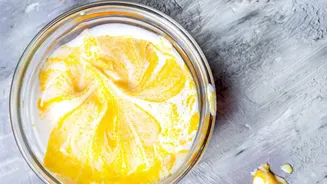
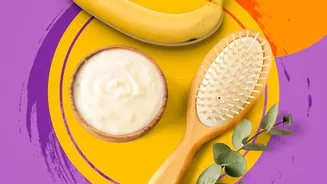
that a blend of mayonnaise, yoghurt, or banana can fix everything from frizz to split ends. These recipes are often passed down through generations, adding a layer of trusted, traditional wisdom. The appeal is in their simplicity and the satisfying feeling of taking your hair care into your own hands. However, just because an ingredient is natural doesn't automatically mean it can perform the complex job of hair repair.
The Science of True Hair Repair
To understand why most DIY masks fail at repair, it helps to know what damaged hair is. Hair is primarily made of a protein called keratin. When hair is damaged by heat, colouring, or environmental stress, the protective outer layer, or cuticle, lifts and breaks. This exposes the inner cortex, leading to protein loss and weakness. True repair involves ingredients with molecules small enough to penetrate past the cuticle and into the cortex to reinforce its structure. Many scientifically formulated treatments use hydrolysed proteins—proteins broken down into tiny fragments—that are small enough to get inside the hair shaft and temporarily patch up weak spots.
Why Food-Based Masks Fall Short
Here's the problem with your kitchen concoction: the protein molecules in foods like eggs and yoghurt are far too large to penetrate the hair shaft. They simply sit on top of the cuticle. While this can provide a temporary coating that makes hair feel smoother and look shinier, it's a surface-level effect that rinses away. It doesn't address the underlying structural damage within the cortex. Some oils, like coconut oil, do have a small enough molecular structure to penetrate the hair and reduce protein loss, but many popular DIY ingredients are more cosmetic than corrective. Relying on them for deep repair can be frustrating and, in some cases of overuse, may even lead to scalp buildup or irritation.
A Better Use: Natural, Temporary Tints
So, should you abandon your kitchen ingredients altogether? Not necessarily. While they may not be repair heroes, many are excellent for another purpose: adding a subtle, temporary tint to your hair. Ingredients with strong natural pigments, like coffee, black tea, and beetroot, work by staining the outside of the hair cuticle. This process is much gentler than chemical dyes that force the cuticle open. Think of it as a glaze; it adds a sheer layer of colour that enhances your natural shade or adds a fun, temporary hue without the commitment or potential damage of permanent dyes.
A Simple Guide to DIY Colour Rinses
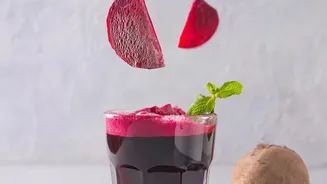
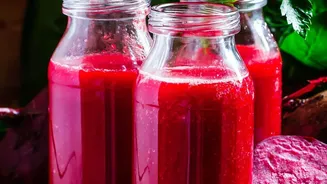
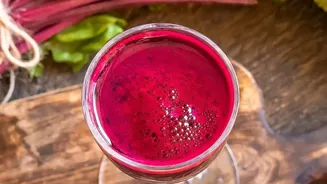
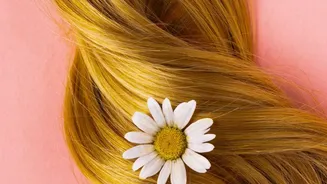
Ready to experiment? The key is to manage your expectations. These natural dyes provide a subtle effect that washes out after a few shampoos. For a dark brown boost: Brew a strong pot of black coffee or black tea, let it cool completely, and use it as a final rinse after washing your hair. Let it sit for at least an hour before rinsing with cool water. The tannins in both can add depth to darker hair. For reddish tones: Fresh beetroot juice is packed with betalain pigments that can impart a beautiful red or pinkish tint, especially on lighter hair. Mix fresh juice with a carrier oil like coconut oil to prevent dryness, apply it to your hair, and let it sit for one to two hours before rinsing. * For brightening blondes: A chamomile tea rinse can bring out natural highlights in blonde or light brown hair. Steep chamomile flowers in hot water, let it cool, and pour it over your hair as a final rinse. Always perform a patch test on your skin and a strand test on your hair first to check for allergies and to see what the colour will look like.