


The Power of Unpredictable Weather
You might assume a little rain won’t stop a volcano hike, but weather is a major factor for tour operators. It’s not about comfort; it's about safety. Heavy rain can destabilise loose volcanic soil and ash, creating dangerous mudflows known as lahars
that can sweep down slopes with the consistency of wet concrete. Excessive rainfall can also trigger rockfalls by weakening cracked rock formations. Strong winds are another serious concern. They can make traversing exposed ridges hazardous and, more critically, can blow toxic volcanic gases into areas that are normally safe for tourists. In Iceland, for example, tours often run in the rain but are quickly grounded by severe wind that makes a route unsafe. Fog and low cloud cover also create significant risk by reducing visibility, making it easy to lose your way on poorly marked trails or wander into restricted zones.
Invisible Dangers: Volcanic Gases
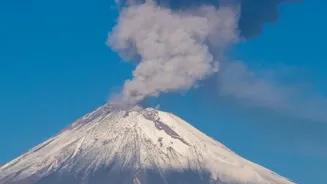
One of the most insidious dangers around an active volcano is something you can't even see: volcanic gases. Volcanoes release a cocktail of gases, but sulfur dioxide (SO2) and carbon dioxide (CO2) are of primary concern for tourist safety. Sulfur dioxide is a toxic gas that can cause severe respiratory problems, especially for people with pre-existing conditions like asthma, children, and pregnant women. Tour operators and park authorities constantly monitor air quality. If SO2 levels spike or the wind shifts, pushing the gas plume over tour routes, entire areas will be closed immediately. Carbon dioxide is also a risk. Because it is odourless and heavier than air, it can collect in low-lying depressions on the landscape, creating invisible and potentially fatal gas pockets. Reputable guides are trained to recognise these dangers and will alter routes to keep visitors in well-ventilated areas.
Reading the Tremors: Seismic Activity
The term 'seismic activity' often brings to mind a major eruption, but most of the time it refers to smaller, subtle movements in the ground. While earthquakes themselves are unpredictable, the constant rumbling and shifting beneath a volcano provides crucial data for scientists. An increase in the frequency or intensity of small tremors can signal that magma is moving, which may increase the risk of rockfalls, landslides, or even the opening of new fissures on a trail. This doesn't necessarily mean a big eruption is imminent. However, it does indicate that the ground may be unstable. Access to a glacier terminus in Iceland was recently restricted after changes in the landscape made the area more hazardous, with an increased risk of rockfalls and unstable ice. For tour operators, any official alert about heightened seismic activity is a trigger to reassess their routes and potentially suspend operations until the area is deemed stable again.
Choosing Your Tour Wisely
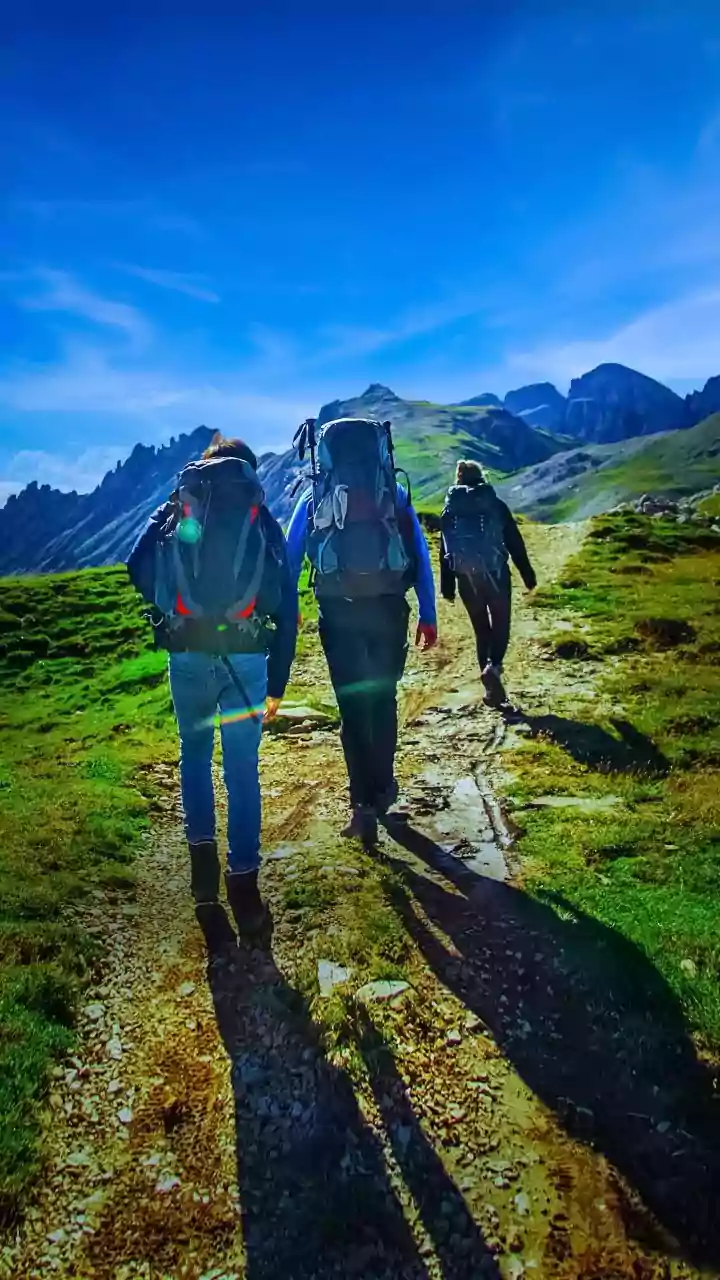
Given the dynamic nature of volcanoes, the most important decision you can make is choosing a reputable tour operator. A professional outfit prioritises safety above all else. Look for companies with excellent, recent reviews that mention safety protocols. Before booking, check their cancellation and rescheduling policies. Most operators will offer a full refund or a free rebooking if they have to cancel a tour due to weather or volcanic activity. Be wary of any company that downplays the risks or doesn't provide a thorough safety briefing. On the day of the tour, always follow your guide's instructions without question. They are trained to interpret the conditions on the ground, and their decisions are final and made for the well-being of the entire group. Remember, a cancelled tour is not a ruined day; it's a sign that your operator is doing their job correctly.