







The Great Protein Boom
For years, the wellness world has been chanting a single mantra: more protein. It’s praised for building muscle, aiding weight loss, and keeping you full longer. This message has been so effective that protein is now added to foods you’d least expect,
from coffee to breakfast cereals. This trend even gained official backing, with recent dietary guidelines in some countries increasing the recommended daily intake. This has solidified the belief for many that when it comes to protein, more is always better. The advice particularly resonated with fitness enthusiasts and older adults looking to preserve muscle mass. This created a booming market for high-protein products and diets, pushing the idea that hitting a high daily gram count was the primary key to good health.
What the New Science Says
A major scientific review published in mid-2026 is challenging this single-minded focus. After analyzing hundreds of studies, researchers concluded that for the majority of adults who are relatively sedentary, eating less protein may actually be more beneficial for long-term health. Studies suggest that lower, more moderate protein intake can improve metabolism and activate cellular pathways associated with healthier aging. The research indicates that constantly high levels of protein can push cells into a continuous growth mode, preventing them from performing essential clean-up processes that protect against age-related diseases. This doesn't mean protein is the enemy, but it does suggest our population-wide obsession with maximizing it could be misguided for those not engaged in heavy physical activity.
Beyond Macros: The Power of Patterns
The latest thinking in nutrition science is that fixating on any single macronutrient—whether it’s fat, carbs, or protein—is a flawed approach. Experts are increasingly emphasizing the importance of 'dietary patterns'. Think of it like an orchestra: a single violin can be beautiful, but the symphony comes from all the instruments playing in harmony. Similarly, the combination of foods you eat creates a synergistic effect that is more powerful than any isolated nutrient. A diet rich in fruits, vegetables, whole grains, and healthy fats provides not just macros, but also essential fibre, vitamins, minerals, and antioxidants that work together to support overall health, from your gut to your heart.
It’s All in the ‘Protein Package’
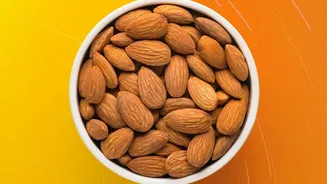
Instead of asking 'how much protein?', the better question is 'where is my protein coming from?'. Nutrition experts talk about the 'protein package'—everything that comes along with the protein in a food. For example, a serving of lentils provides protein plus beneficial fibre and has almost no saturated fat. A piece of red meat, while high in protein, can also come with a significant amount of saturated fat. The goal isn't to demonize any food group, but to recognise that the source matters immensely. Prioritizing plant-based proteins like beans, lentils, nuts, and soy, along with fish and lean meats in moderation, offers a better overall package for long-term health than simply chasing a high protein number from any source.
How to Rethink Your Plate
Reframing your diet doesn’t require a radical overhaul. It’s about shifting perspective from numbers to nourishment. Instead of counting grams of protein, focus on variety and balance. A traditional Indian thali is a perfect example of a balanced dietary pattern—a portion of dal (protein), a serving of sabzi (vitamins and fibre), a small amount of rice or roti (carbohydrates for energy), and perhaps some yoghurt (probiotics and more protein). This approach naturally incorporates a mix of nutrients. The key is to build your meals around whole foods and think about what you’re adding to your plate, not just what you’re restricting. Aim for a colourful plate, which is a good sign that you’re getting a wide range of nutrients.