


Choosing Your Flower Champions
The first step to a successful container garden is selecting the right flowers. For beginners, annuals are an excellent choice because they complete their life cycle in one season, often blooming profusely. For Indian climates, some of the easiest and
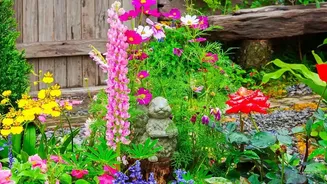
most rewarding flowers to grow from seed in containers are Marigold (Genda), Zinnia, and Portulaca (Moss Rose). These varieties are known for their tolerance to heat and sun, and they come in a dazzling array of colours. Cosmos and Balsam (Gulmehendi) are also fantastic, low-maintenance options that thrive in pots and attract pollinators like butterflies. Always check the seed packet, as it provides crucial information on the plant's size, sunlight needs, and ideal sowing time.
Finding the Perfect Home
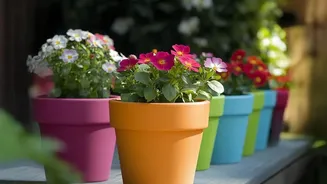
The container you choose is your plant's world. The most critical feature of any pot is drainage. Ensure your chosen container has holes at the bottom to allow excess water to escape, as waterlogged soil is a primary cause of root rot. You can use anything from traditional terracotta or plastic pots to repurposed items like yogurt cups or egg cartons for initial sprouting, as long as you poke holes in the bottom. For the final display, a pot that is at least 6-8 inches in diameter provides adequate space for most annual flowers to develop a healthy root system. Terracotta is porous and allows soil to breathe, but it also dries out faster, while plastic pots retain moisture for longer.
Getting the Foundation Right
Using soil from your garden is a common mistake; it's often too heavy, compacts easily in pots, and can introduce pests or diseases. For starting seeds, a sterile, lightweight seed-starting mix is ideal. You can buy a commercial mix or make your own. A popular and effective DIY recipe for Indian gardeners combines cocopeat, vermicompost, and perlite. A good ratio to start with is 50% cocopeat (which retains moisture while staying airy), 30% vermicompost (for gentle nutrients), and 20% perlite (for drainage). Before sowing, pre-moisten this mix until it feels like a damp, wrung-out sponge. This prevents the seeds from being washed away during the first watering.
The Art of Sowing
With your pots and soil ready, it's time to plant. Fill your containers with the moist soil mix, leaving about an inch of space from the rim. A general rule of thumb is to plant a seed at a depth of about twice its width. Very fine seeds, like some varieties of petunia, may need light to germinate and should just be pressed onto the surface with only a light dusting of soil. Sow two or three seeds per pot to increase the chances of germination. After sowing, water gently with a fine mist sprayer or a can with a soft rose to avoid dislodging the seeds. Don't forget to label your pots with the flower name and the date you sowed them.
Nurturing Your New Arrivals
While most seeds don't need light to germinate, they require warmth and consistent moisture. Once the first sprouts appear, they need plenty of light. Move them to a spot that receives at least 4-6 hours of sunlight daily. Without enough light, seedlings will become 'leggy'—tall, pale, and weak—as they stretch for a light source. Continue to keep the soil moist but not waterlogged. Watering from the bottom by placing the pot in a shallow tray of water for a few minutes is a great way to hydrate the soil without disturbing the delicate seedlings. Once the seedlings develop their first set of 'true leaves' (the second set of leaves that appear after the initial seed leaves), you can thin them out, leaving only the strongest single seedling in each pot to ensure it has enough space and nutrients to thrive.