




A Nation Reeling from Disaster
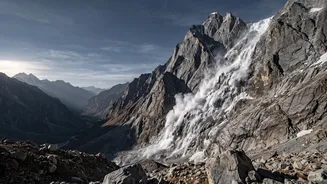
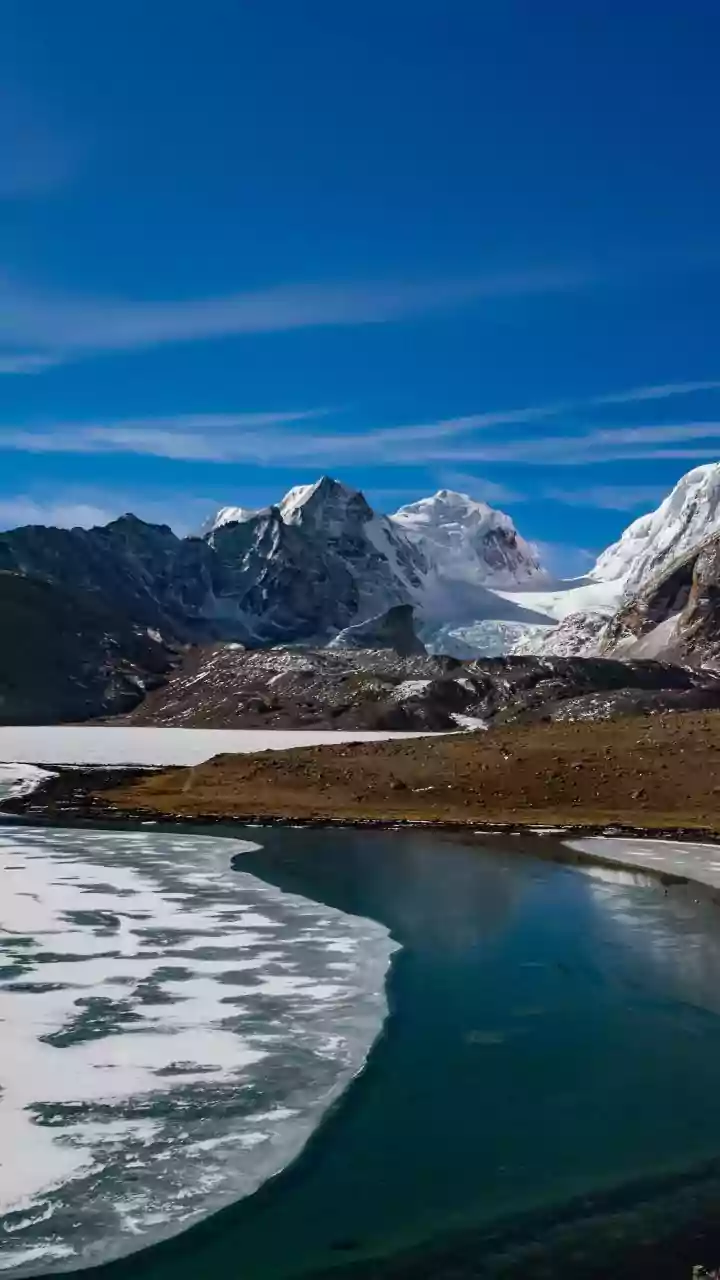
On August 26, 2026, a devastating flash flood tore through the mountainous region near the Nepal-China border, leaving a trail of destruction. The disaster began when a glacier collapse high in the Himalayas triggered a massive avalanche of rock and ice.
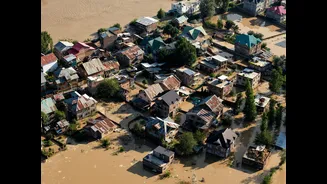
This debris crashed into the Lhende Khola, a tributary of the Bhote Koshi river system, unleashing a powerful torrent that swept away entire settlements, roads, bridges, and vital infrastructure. Hundreds have been confirmed dead, with thousands still missing, including tourists and pilgrims from numerous countries. Rescue operations have been hampered by the sheer scale of the devastation in districts like Rasuwa and Nuwakot, with the event being described as one of the worst natural disasters in Nepal's recent history.
What Exactly Is a Barrier Lake?
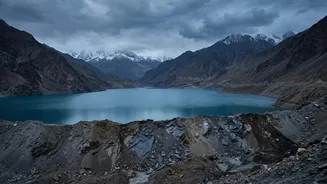
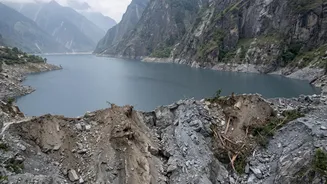
A barrier lake is a natural dam created when a landslide, rock avalanche, or debris flow blocks a river valley. Unlike engineered dams, these blockages are made of loose, unconsolidated material like rock, soil, and ice. This makes them inherently unstable. As river water backs up behind the blockage, a lake forms. This process causes two distinct problems: slow upstream flooding as the reservoir fills, and the much greater danger of a catastrophic downstream flood if the natural dam suddenly fails. These events are also known as landslide dams, and when caused by seismic activity, they can be called quake lakes.
The Ticking Time Bomb in the Himalayas
Following the initial disaster, satellite imagery and Chinese authorities confirmed the formation of a large barrier lake near the confluence of rivers that flow into Nepal's Bhote Koshi. The debris from the initial avalanche created this blockage, which quickly began to impound a massive volume of water, estimated at several million cubic metres. The primary danger is that this natural dam could fail. The immense pressure from the rising water could breach the loose debris, or further rainfall could cause it to overflow and rapidly erode. Such a failure would release an enormous wall of water and debris downstream, creating a second flood surge, also known as a Landslide Lake Outburst Flood (LLOF).
A Race Against Time and Water
Authorities in both Nepal and China immediately raised alarms about the high risk of a breach. Chinese officials closely monitored the lake, conducting simulations to predict the impact of a potential collapse. For a period, rescue efforts were even halted due to the imminent threat. The lake did partially breach its banks on August 28, causing the river to rise again but thankfully draining more gradually than a catastrophic collapse would have. However, with monsoon season active and more rain forecast, the risk of the dam refilling or another blockage forming remains a significant concern for disaster response teams and downstream communities.
Cross-Border Consequences for India
The threat from Nepal's rivers does not stop at the border. Major river systems like the Bhote Koshi flow down from the Himalayas, through Nepal, and into the Gangetic plains of India, where they are known by names like the Gandak river. A major flood surge in Nepal can have devastating consequences for downstream Indian states, particularly Bihar and Uttar Pradesh. In the wake of the August 26 disaster, bodies were recovered as far as 200km downstream, with several found in Uttar Pradesh’s Maharajganj and Kushinagar districts. Indian authorities have been on high alert, positioning National Disaster Response Force (NDRF) teams in sensitive areas and monitoring river levels.