








A Digital Dream With A Heavy Footprint
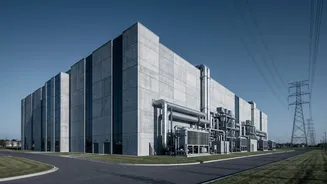
On paper, the project is a cornerstone of India's technological ambitions. Google, in partnership with the Adani Group, is constructing its largest AI data centre hub outside the United States across 600 acres near the port city. The gigawatt-scale facility,
part of a five-year investment plan, is expected to be operational by 2028 and is projected to inject hundreds of millions of dollars into the local economy annually. Government officials have championed the development, anticipating the creation of thousands of construction jobs and hundreds of high-tech roles. This vision paints Visakhapatnam, or Vizag, as a future global connectivity hub, complete with new subsea data cables linking India to the world. However, for many on the ground, this digital dream is casting a long and worrying shadow.
The Core Conflict: Water and Power
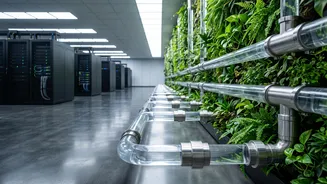
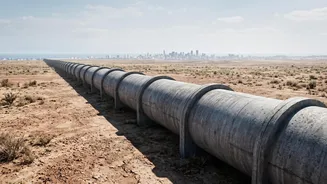
The primary concern for residents is the immense strain the data centre could place on two vital resources: water and electricity. Data centres are notoriously thirsty, using vast quantities of water for cooling their servers. In a region like Visakhapatnam, which already faces water rationing and dropping groundwater levels, the prospect of a new, large-scale consumer is alarming. Campaigners point out that while posters may promise progress, 'you cannot drink data'. Similar concerns surround energy. A facility of this magnitude requires a colossal amount of electricity, equivalent to powering a small city, raising questions about the stability of the local grid and whether it will divert power from communities. Activist groups have called for a moratorium on all new data centre construction in Andhra Pradesh until independent environmental and social impact assessments are made public.
Google's Response: Engineering and Investment
Facing a growing backlash, Google has publicly addressed the concerns. The company states that its own pre-development assessments identified pressure on the local watershed, which directly influenced the facility's design. A key commitment is the use of an 'advanced air cooling system' instead of conventional water-based cooling, which it says will limit water consumption mainly to non-cooling needs like restrooms. Furthermore, Google has pledged to replenish 120% of the freshwater it does consume by 2030. On the energy front, the company asserts it will fully fund necessary grid upgrades and invest in new local clean energy projects, including solar and wind, beyond what is required for the data centre itself. An Andhra Pradesh government minister has also stated that water for the project will come from sustainable sources that do not take away from farming or city supplies.
A Community Divided
The debate has divided the local community. For some farmers, the project has meant losing their land, and while compensation was paid, the transaction has left a bitter taste. There is also scepticism about the promise of jobs, with some arguing that capital-intensive data centres create few long-term employment opportunities for locals compared to labour-intensive industries. On the other hand, many in the city's tech sector are excited. They see Google's arrival as a catalyst that will generate high-quality engineering roles and cement Visakhapatnam's status as a burgeoning IT hub. The state government has echoed this, suggesting the project could generate over 188,000 direct and indirect jobs. This split highlights the classic conflict between large-scale industrial development and the preservation of local livelihoods and resources.