





The Recall in Question
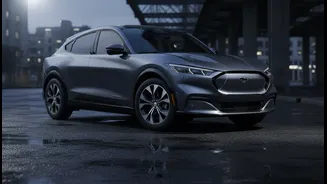
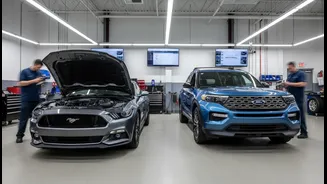
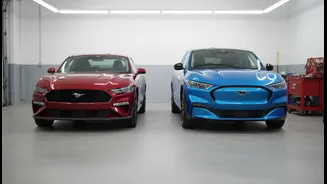
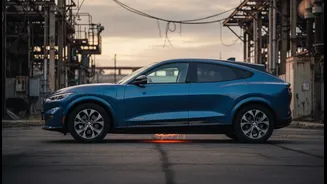
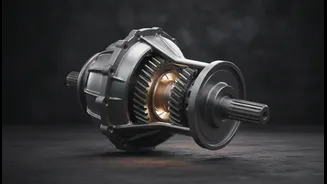
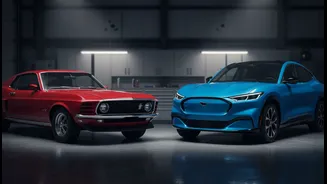
In early July 2026, Ford issued a recall for nearly 43,000 Mustang Mach-E vehicles from model years 2021 to 2023. The issue stems from a critical component in the rear-wheel-drive system: the differential pinion shaft. This part is essential for transferring
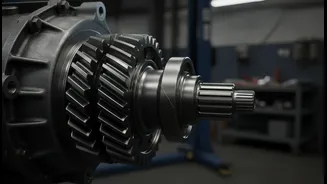
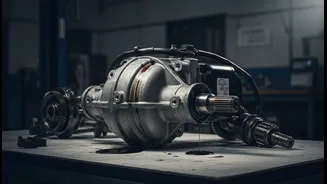
power from the electric motor to the wheels. According to the recall notice filed with safety regulators, this shaft can fracture due to fatigue. The consequences are serious: a sudden loss of driving power or the vehicle rolling away unexpectedly when put in 'Park' without the handbrake engaged. This isn't a software glitch fixed with an over-the-air update; it’s a classic mechanical failure of a load-bearing metal part.
The Myth of Mechanical Perfection
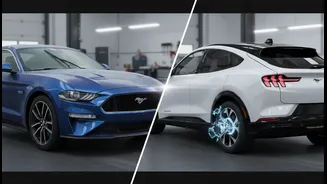
One of the biggest selling points for EVs is their reduced mechanical complexity compared to internal combustion engine (ICE) vehicles. An EV powertrain has dramatically fewer moving parts—no engine with hundreds of components, no exhaust system, no oil changes, and no spark plugs. This has led to a widespread belief that EVs are virtually maintenance-free. While it's true that many routine service visits are eliminated, the Mach-E recall underscores a fundamental reality: EVs still rely on a host of traditional mechanical systems to function. Power has to get from the motor to the road, and that involves driveshafts, axles, differentials, and bearings—all components subject to immense physical stress and potential failure.
Different Car, Different Problems
While an EV won't suffer from a blown head gasket or a clogged fuel injector, it has its own set of potential mechanical weak points. Suspension components, steering systems, and brakes are all present, just as they are in a petrol or diesel car. In fact, the heavy weight of EV battery packs can put extra strain on suspension and tires, leading to faster wear. Beyond the drivetrain, other 'regular' car problems persist. There have been recalls on EVs for everything from seat belt anchorages to faulty door handles. The key takeaway is that the nature of maintenance shifts, it doesn't disappear. Instead of focusing on the engine, owners and technicians must now pay attention to the health of the battery's cooling system, the integrity of high-voltage connectors, and, as Ford discovered, the durability of the drivetrain parts.
What This Means for Buyers in India
The Indian EV market is growing at an exponential rate, but the service ecosystem is still playing catch-up. For prospective buyers, this recall serves as a valuable lesson. The promise of lower running costs is real, but it's crucial to understand that 'low maintenance' is not 'no maintenance'. Owners in India may face unique challenges, such as the availability of specialized spare parts, many of which are imported, and a shortage of technicians skilled in diagnosing and repairing EV-specific mechanical and electronic issues. This incident highlights the need for buyers to consider a brand's service network and reputation for handling repairs and recalls. As the technology matures, the industry's ability to support these advanced vehicles will be just as important as the sticker price.