



Understanding the 'Low Manipulation' Philosophy
The concept of 'low manipulation' is exactly what it sounds like: styling your hair in a way that requires minimal daily handling, combing, and pulling. Textured and curly hair is naturally more fragile than straight hair, and frequent styling can lead
to stress, split ends, and breakage. By adopting a low-manipulation routine, you give your hair a much-needed rest. This approach helps to reduce friction and tension, which are major contributors to hair damage. The ultimate goal is to create a healthy environment that allows your hair to thrive, retain length, and maintain its natural integrity.
The Protective Power of Braids
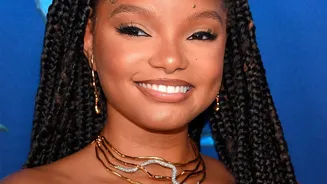
Braids are a cornerstone of protective styling for good reason. They tuck away the ends of your hair—the oldest and most fragile parts—shielding them from environmental stressors like sun, wind, and humidity. This protection minimizes daily wear and tear, significantly cutting down on breakage and helping to retain moisture. When you aren't constantly styling your hair, it is less exposed to heat and pulling, allowing it to grow without interruption. While braids themselves don't magically make hair grow faster, they create the ideal conditions for retaining the length that naturally grows from your scalp.
Styles That Celebrate Natural Texture
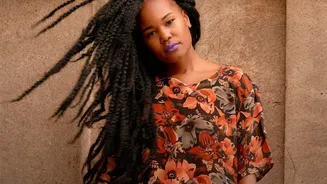
Modern braiding techniques have evolved to not only protect the hair but also to beautifully showcase its natural texture. Knotless braids, for example, have become incredibly popular because they start with your own hair and feed in extensions gradually. This method creates a flat, natural-looking braid that places significantly less tension on the scalp compared to traditional box braids, which start with a knot at the root. Other styles like Boho or Bora braids intentionally incorporate loose, curly strands, blending the extensions with your hair for a carefree, textured look. These styles prove that you don't have to completely hide your hair to protect it.
Preparation Is the Foundation of a Good Style
A long-lasting, truly protective style begins with proper preparation. Before you even sit in the stylist's chair, your hair should be thoroughly cleansed and conditioned. Start with a clarifying shampoo to remove any product buildup. Follow up with a deep conditioning treatment to infuse your strands with moisture, which helps prevent dryness and breakage while your hair is braided. Ensuring your hair is clean, hydrated, and detangled creates the perfect canvas for your braids and is crucial for the health of your hair underneath.
Essential Maintenance for Lasting Braids
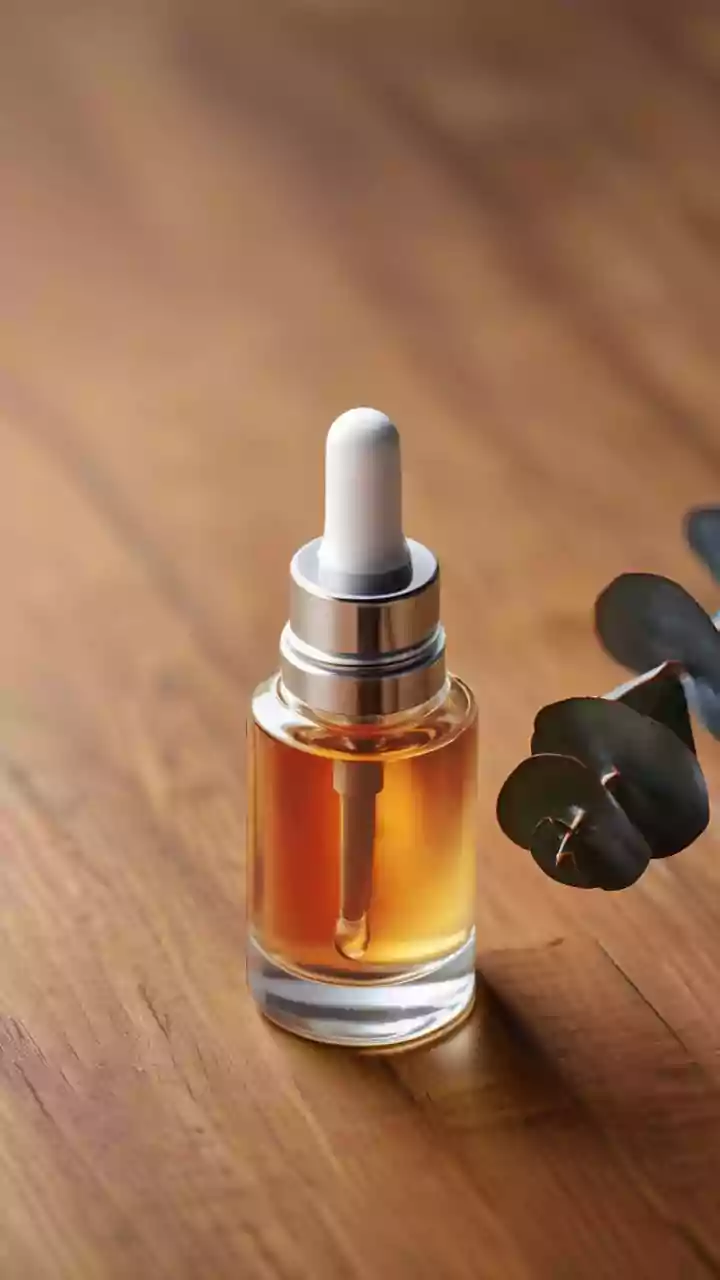
Once your braids are installed, a consistent maintenance routine is key to their longevity and the health of your hair. The scalp, in particular, needs attention. Cleanse your scalp every one to two weeks with a diluted, sulfate-free shampoo to prevent buildup without stripping natural oils. To combat dryness and itchiness, regularly moisturize your scalp and braids with a lightweight oil or a water-based leave-in conditioner spray. At night, protect your style by wrapping your hair in a silk or satin scarf or bonnet. This reduces friction against your pillow, which helps to prevent frizz and breakage. It is generally recommended to keep braided styles in for no longer than six to eight weeks to avoid potential tangling and stress on your follicles.