



Understanding the Magic of Seasoning
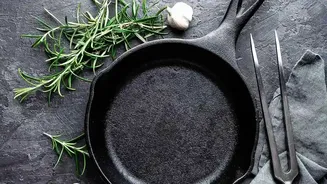
The term "seasoning" is misleading. It’s not about flavour, but about chemistry. Seasoning is the result of thin layers of oil baked onto the pan, a process called polymerization. This creates a tough, natural, non-stick surface that improves with every
use. Most new skillets come pre-seasoned, but you can enhance this layer or create it from scratch. To season, apply a very thin layer of a suitable oil—grapeseed oil is a fantastic choice for its high smoke point and neutral properties. Other good options include canola or vegetable oil. After applying the oil, use a clean cloth or paper towel to wipe it all out. The pan should look dry and matte, not greasy. Bake it upside down in an oven at a high temperature (around 450-500°F or 230-260°C) for an hour. Placing a sheet pan on the rack below will catch any drips. Let it cool completely in the oven. Repeating this process builds an increasingly resilient cooking surface.
The Golden Rule: Keep It Dry
If there is one mortal enemy of cast iron, it is moisture. Water leads to rust, the main reason people become intimidated by these pans. The most crucial step in your cleaning routine is not the washing, but the drying. Never let your skillet air dry or soak in the sink. After washing, immediately dry it thoroughly with a towel. To banish any lingering moisture, place the pan back on the stovetop over low heat for a few minutes until it is bone dry. This simple step is the single best way to prevent rust from ever forming. Once dry and while it's still warm, you can wipe a tiny amount of cooking oil inside to further protect the surface before storing it. Store your pan in a dry place without the lid on, which can trap humidity.
Debunking Myths and Realistic Use
It’s time to forget the rigid rules you may have heard. The old wisdom to never use soap is outdated; today’s dish soaps are gentle enough that a small amount won't strip away well-established seasoning. For stuck-on food, a scrub with coarse salt and a paper towel is an effective, gentle abrasive. The most important thing is to just cook with your pan. Every time you heat fat or oil, you contribute to the layers of seasoning. Start with foods that are less prone to sticking and help build the surface, like sautéing vegetables, frying potatoes, or searing sausages. Initially, it's wise to avoid very acidic foods like tomato sauce or citrus for long periods, as the acid can break down a new or thin layer of seasoning. But on a well-seasoned pan, a quick pan sauce is perfectly fine. And don't worry if your seasoning looks uneven or blotchy at first; it will darken and even out over time with continued use.
Troubleshooting Common Problems
Even with care, you might encounter issues. If food starts sticking, it could mean your pan wasn't preheated properly or your seasoning is wearing thin. If you see rust, don't panic—it's completely fixable. For light surface rust, a good scrub with steel wool or a specialised rust eraser will remove it. You can also make a paste of baking soda or use a 50/50 solution of white vinegar and water to help dissolve the rust, but don't soak it for more than an hour. After removing the rust, you must thoroughly wash, dry, and re-season the pan to protect the bare metal. A sticky, gummy residue is usually a sign of too much oil being used during seasoning. The key is always to wipe off excess oil until the pan looks dry before heating it.