


The Everyday Domestic Platform
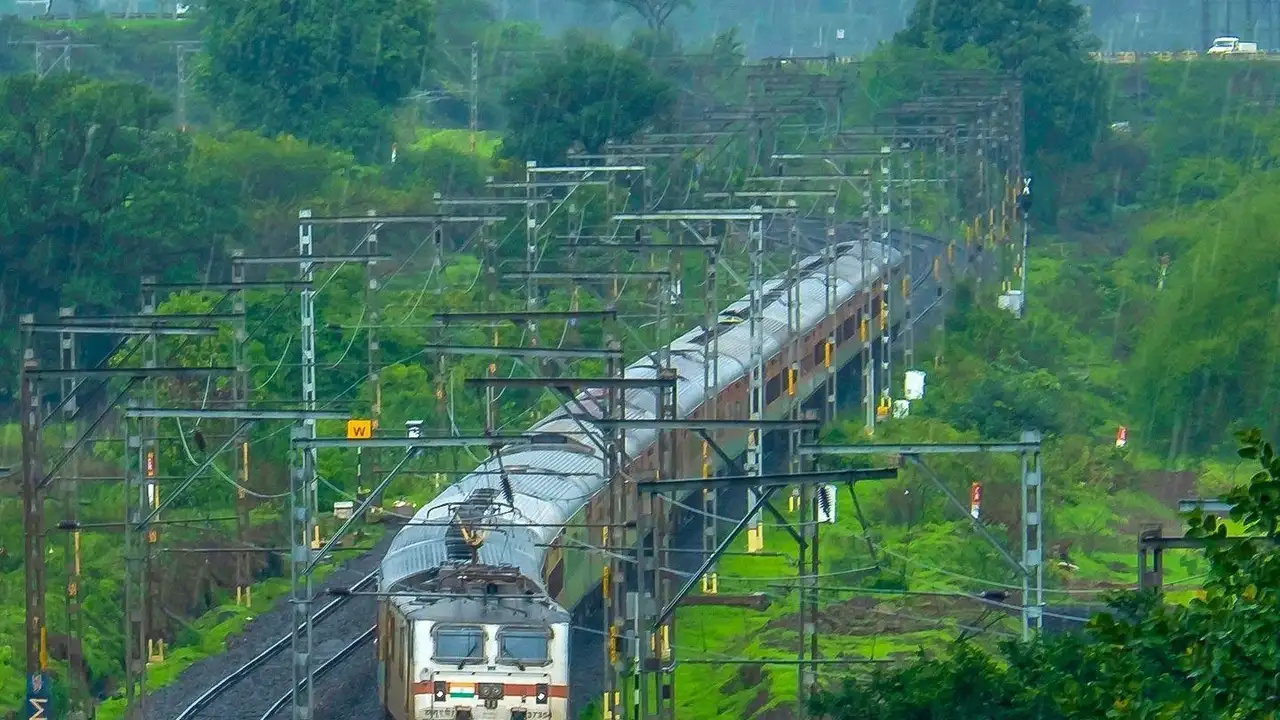
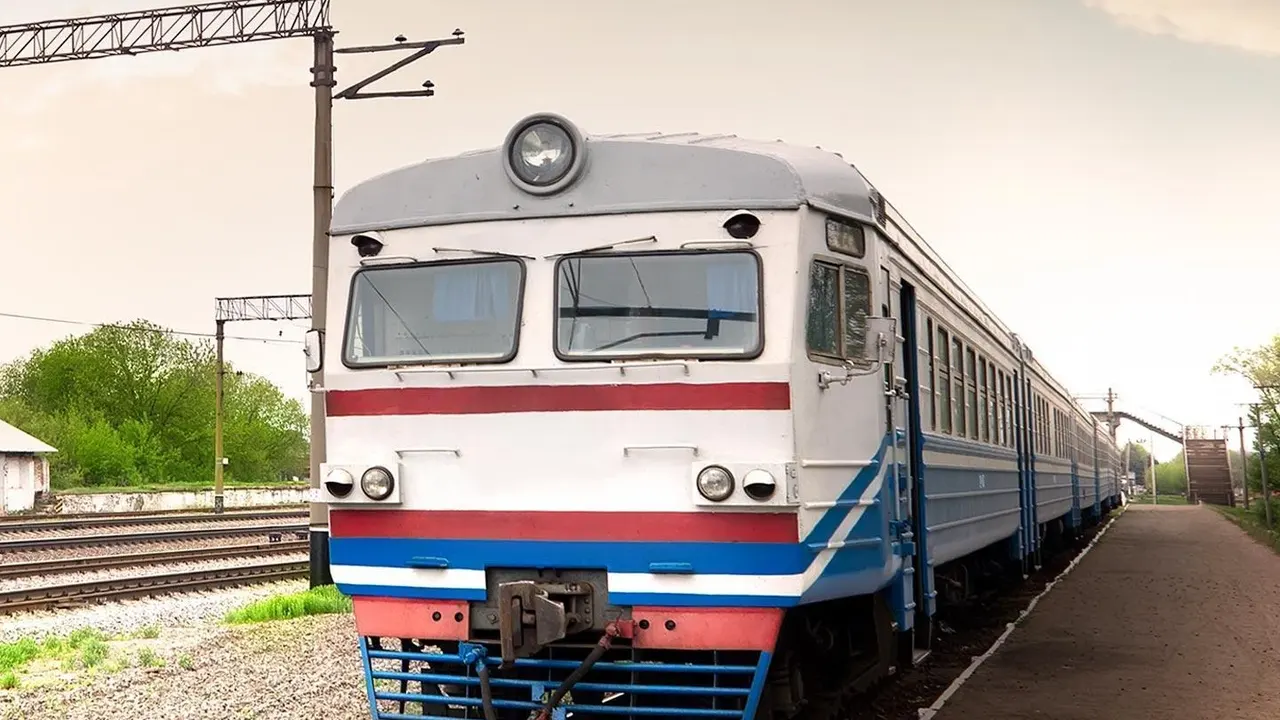
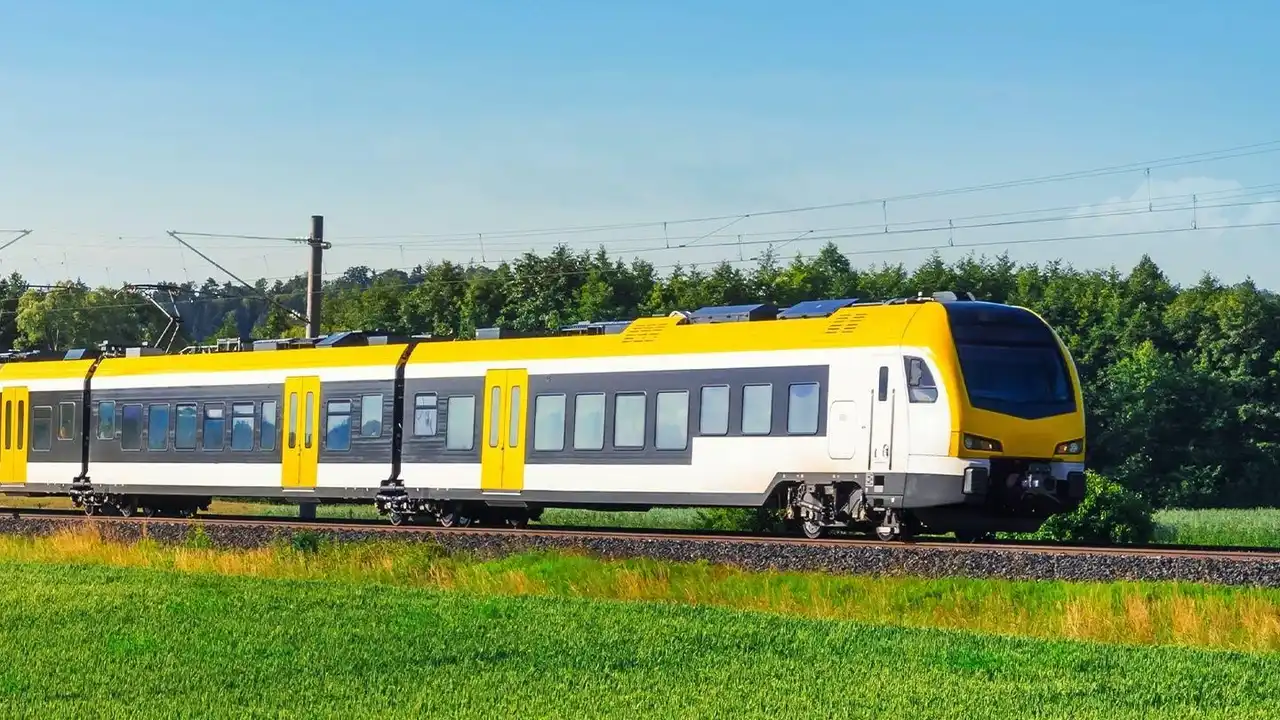
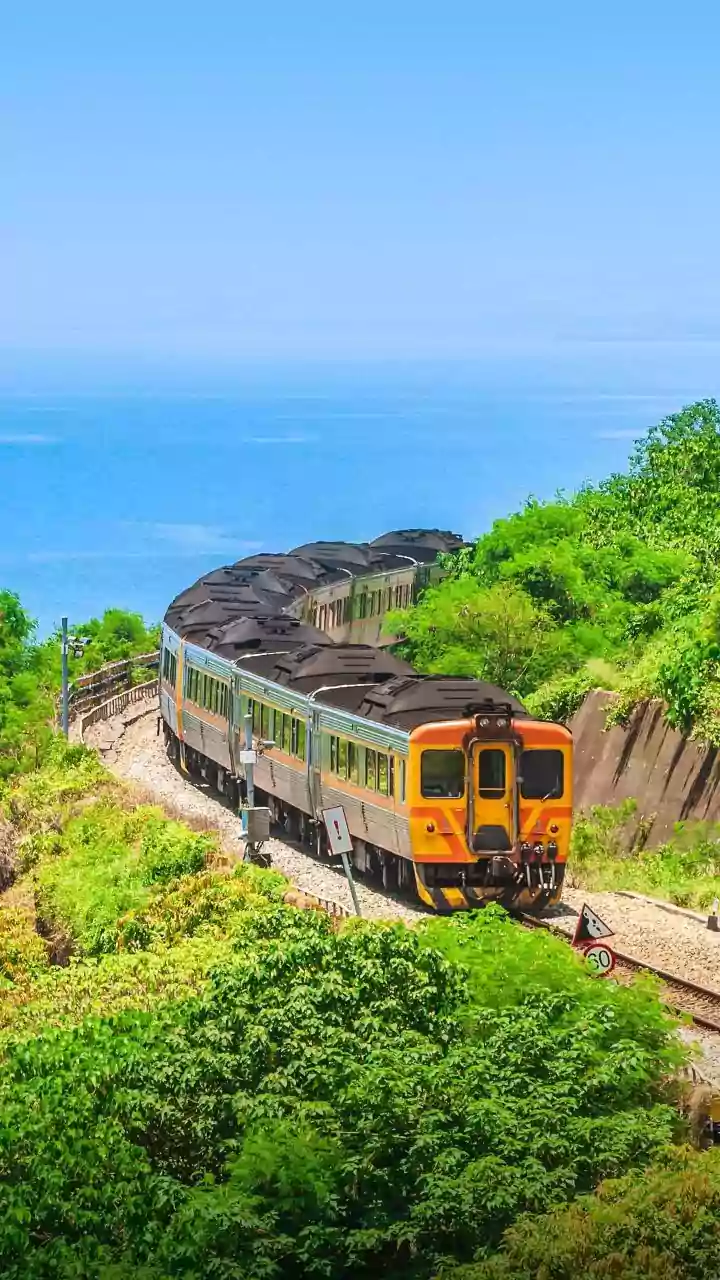
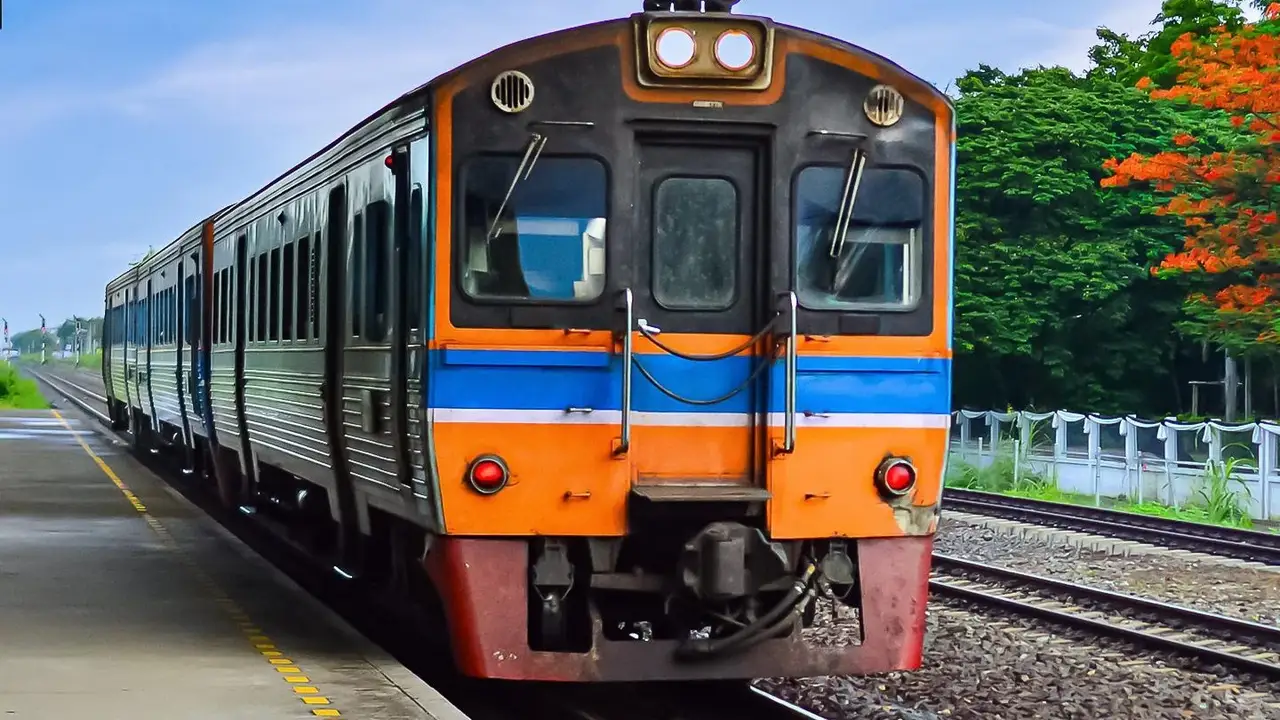
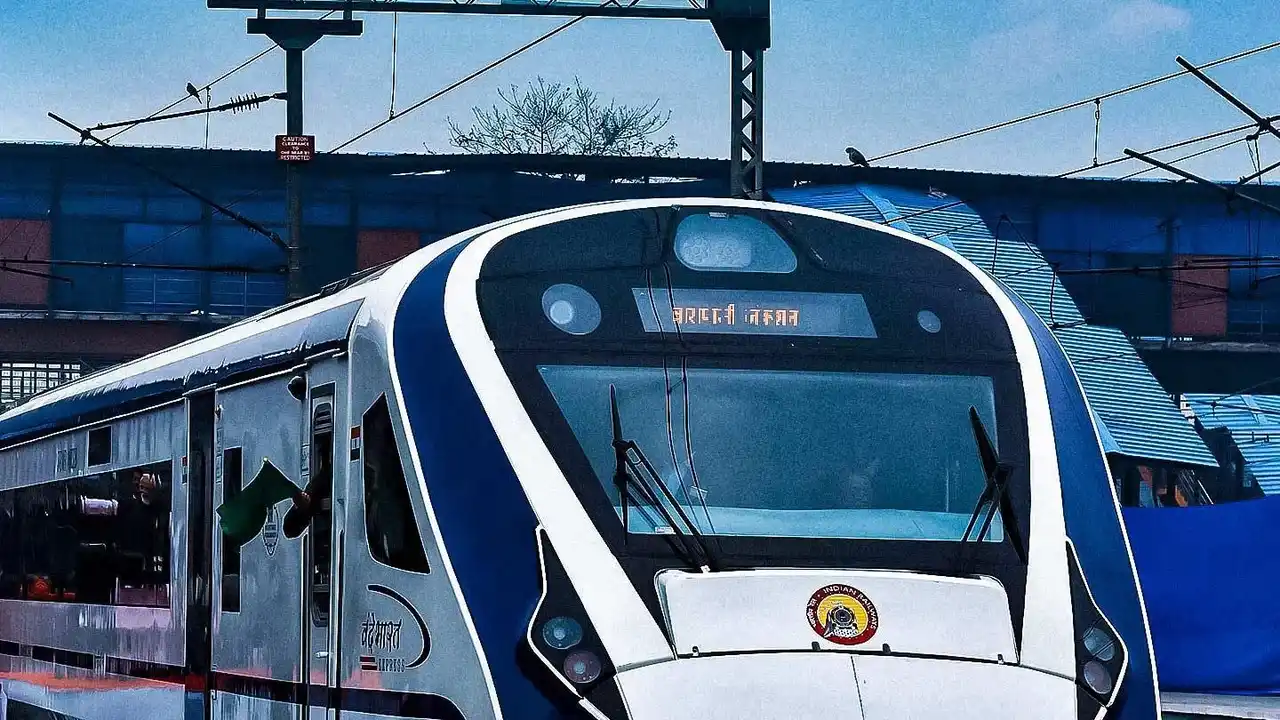
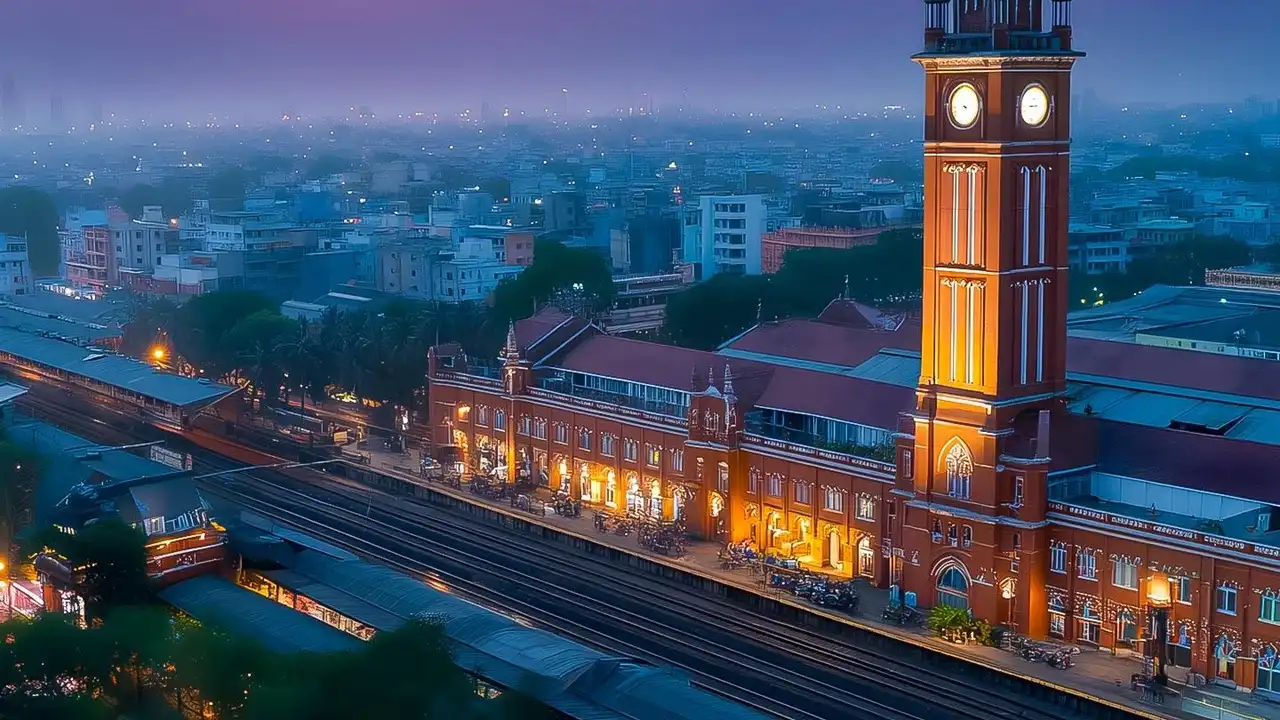
For most of the week, Attari station functions like many other small, rural stations across Punjab. It serves local commuters and residents with DEMU (Diesel Electric Multiple Unit) trains connecting it to nearby Amritsar. These services are a lifeline
for people in the border region, providing essential connectivity for work, education, and daily life. Passengers using these domestic services board and alight with the familiar rhythm of Indian rail travel, without any of the extraordinary security checks that define the station's other identity. The station has three platforms connected by a footbridge, and for these local journeys, it operates as a standard, functional railway stop. It's classified as a non-suburban grade-6 (NSG-6) station, reflecting a lower volume of passenger earnings, which underscores its primary role as a local, rather than a commercial, hub.
The High-Security Border Gateway
The station's character transformed dramatically when it was time to service the Samjhauta Express, the iconic train linking India and Pakistan. In this mode, Attari became a fortress-like border control gateway. It is the last railway station on the Indian side of the Amritsar-Lahore line, located just a few kilometres from the international border at Wagah. When the Samjhauta Express was operational, the station became an international terminal where customs and immigration procedures were paramount. An entirely different set of rules applied. Entry to the station was heavily restricted, and passengers required a valid passport and a Pakistani visa. The entire area would be under the strict surveillance of multiple security agencies, including armed railway and state police. To enhance security, even licensed porters were not permitted, ensuring tight control over all movement.
Two Functions, One Space
The operational difference between Attari's two roles is stark. As a domestic station, it's an open, accessible part of the community. As an international gateway, it was a sealed, high-security zone. Physically, the same platforms were used, but the protocols were worlds apart. When the Samjhauta Express was scheduled, the station's focus would pivot entirely to international procedures. The train from Delhi, known as the Delhi-Attari Express, would terminate here, and its passengers would undergo extensive customs and immigration checks. They would then board the actual Samjhauta Express, which historically used a rake from either India or Pakistan, for the short journey across the border to Lahore. This created two distinct experiences within the same infrastructure: the casual, everyday journey of a local passenger and the tense, heavily scrutinized process of an international traveller.
The Gateway in a Changed World
Since the suspension of the Samjhauta Express in August 2019 following diplomatic tensions, Attari's role as an active border-control gateway for passengers has been on an indefinite pause. The tracks that once carried families reuniting and traders doing business are now silent in that regard. The station's international function was a powerful symbol of the complex relationship between India and Pakistan, representing both a lifeline of connection and a barometer of diplomatic health. With the train service suspended, the intense security apparatus and passport-and-visa requirements for entry have become a feature of its recent past rather than its present operation. While goods trains may still cross, the human element of the international gateway is dormant, leaving the station to primarily serve its domestic function.