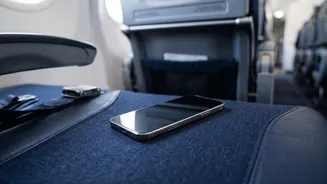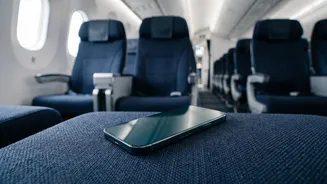







It’s a sinking feeling every traveller dreads: the moment you realise your tablet, headphones, or wallet is still in the seat-back pocket of a plane you just left. Getting it back can feel impossible, and there’s a reason why.
The Race Against the Clock
The journey of your forgotten
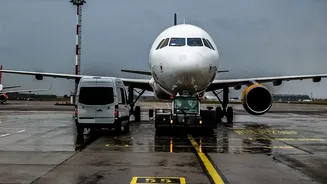
item is immediately caught in a race against the clock, dictated by the airline's 'turnaround time'. This is the critical window between a plane arriving at the gate and departing for its next flight. For many low-cost carriers operating narrow-body jets, this can be as short as 25 to 30 minutes. For larger, long-haul aircraft, it might extend to 90 minutes or more, but the principle is the same: every second is meticulously planned to ensure the next flight leaves on time. This operational pressure is the primary reason retrieving a lost item is so challenging. Once passengers deplane, a flurry of activity begins involving refuelling, catering, baggage handling, and, crucially, cleaning.
Triage, Not Deep Search
The 'turnaround clean' is designed for speed and triage, not for a detailed search. Cleaning crews have a very specific, time-sensitive checklist: remove visible rubbish from seat pockets and floors, wipe down tray tables, and reset the lavatories. Their priority is to prepare a sanitary and presentable cabin for the next group of passengers, not to conduct a forensic search for lost property. Unless an item is large and obvious, it can easily be missed. A phone that has slipped down the side of a cushion or a small wallet in a cluttered seat-back pocket may not be spotted during this rapid process. The procedures are about immediate health and safety, not item recovery.
The Point of No Return
If an item is found by the cleaning crew or a flight attendant, its journey becomes complicated. The item is typically handed over to the airline's ground staff or a designated lost and found department at the arrival airport. However, this isn't a single, unified system. Items found on the plane are the airline's responsibility, while items left in the terminal or at security fall under the airport's authority. This separation can create confusion and delays. Furthermore, once boarding for the next flight commences, your chances of a quick recovery plummet. A new passenger may find the item and either hand it in or, unfortunately, keep it. The aircraft could also be flying to a different city, taking your lost possession along with it.
How to Beat the Odds
Realising your mistake quickly is the single most important factor in recovering a lost item. If you are still in the gate area, immediately alert the airline's gate agent. If the plane is still there and cleaning has not finished, they may be able to contact the crew to retrieve it for you. This is your best and often only chance for an immediate return. If the plane has already departed or you've left the airport, you must file a formal lost item report. Most airlines have a dedicated online form for this. Be as specific as possible: provide your flight number, seat number, and a detailed description of the item, including any unique marks or features. A generic 'black headphones' report is less likely to succeed than 'black Bose headphones in a case with a small scratch on the right side'.
What Happens Next
Once an item enters the lost and found system, patience is key. The system is designed for scale, not speed. Airlines and airports log thousands of items and attempt to match them against reports. This process can take days or even weeks. Items are generally held for a period of 30 to 90 days. If an item remains unclaimed after this period, it is often donated to charity, destroyed, or sold at auction. Some airports even have public auctions for valuable unclaimed goods like electronics and jewellery. Persistent and polite followup can sometimes help, but it's crucial to understand that the initial moments after you leave the plane are the ones that truly matter.