



The 12-Year Natural Wonder
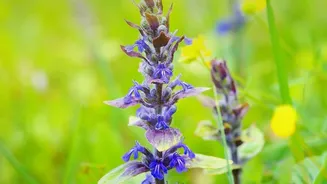
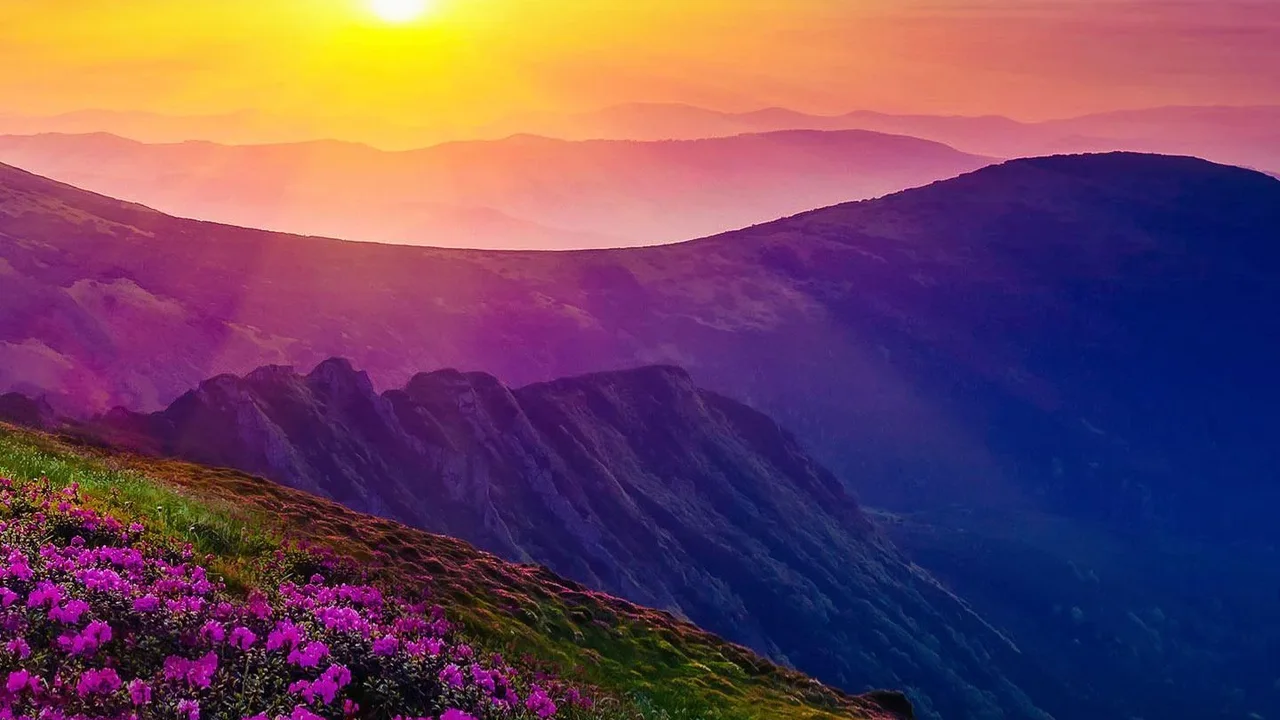
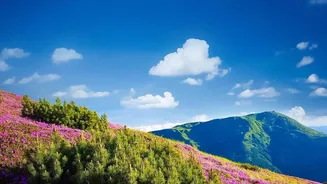
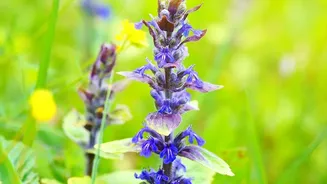
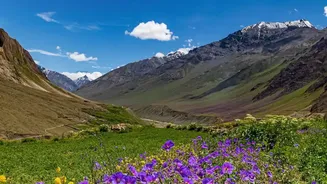
Neelakurinji, or Strobilanthes kunthiana, is a shrub found in the shola grasslands of the Western Ghats. What makes it extraordinary is its life cycle: it blooms gregariously only once every 12 years, carpeting entire hillsides in a vibrant violet-blue
hue. After this spectacular flowering, the plant dies, releasing seeds that will patiently wait for another dozen years to repeat the cycle. This phenomenon, known as mass flowering, is a biological marvel that attracts nature enthusiasts from across the globe. The name itself comes from the local words 'Neela' (blue) and 'Kurinji' (flower).
Why a Bloom in 2026 and 2030?
Many travellers associate Neelakurinji with the year 2018, when a massive bloom occurred in Eravikulam National Park, with the next one there expected in 2030. So why is there a bloom in 2026? The answer lies in the existence of different populations of the flower. The Neelakurinji currently blooming in areas like Chokramudi and Mattupetty is a separate population that last flowered in 2014, putting it on a perfect 12-year cycle for 2026. So, this is not an early bloom, but rather another group of flowers keeping its own unique 12-year appointment. This makes 2026 a special, additional opportunity to witness the spectacle.
Where to Witness the Blue Carpet
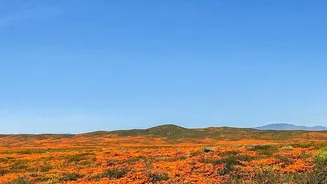
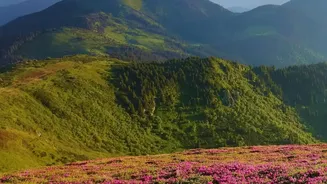
For the 2026 season, the main event is not inside the famous Eravikulam National Park. Instead, the flowering is concentrated in other beautiful parts of the Munnar region. The primary viewing areas are the Chokramudi hills and the slopes around Mattupetty and Korandakadu. Officials have designated specific viewing points in these areas to manage the flow of visitors and protect the habitat. With the bloom expected to be at its peak between September and October, these locations offer breathtaking panoramic views of the blue-covered hills against the lush green tea plantations.
A Flower of Culture and Ecology
The Neelakurinji is more than just a pretty flower; it's deeply woven into the region's identity. The Nilgiri Mountains, which translates to 'Blue Mountains', are believed to have earned their name from this very bloom. For indigenous communities like the Paliyan and Muthuvan tribes, the 12-year cycle was traditionally used to calculate their age and mark generations. Ecologically, the bloom is vital. It provides a feast for pollinators like bees and butterflies and is an indicator of the health of the fragile shola ecosystem.
A Guide for Responsible Visitors
Witnessing this event comes with a responsibility to protect it. The Neelakurinji habitat is extremely fragile. Authorities urge visitors to be mindful tourists. The most important rule is to not pluck the flowers or uproot the plants; they will die after seeding anyway, and plucking them disrupts this natural cycle. Visitors should stick to designated paths to avoid trampling the plants and surrounding grasslands. It is also critical to carry reusable water bottles and avoid leaving any plastic or waste behind. Given the expected rush, booking accommodation and transport well in advance is highly recommended to ensure a smooth and enjoyable trip.