




A Historic Mission with an Indian Flavour
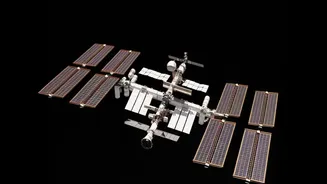
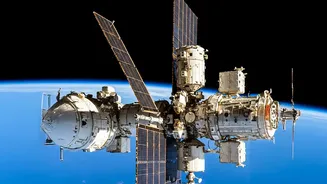
In June 2025, the Axiom Mission 4 (Ax-4) marked a significant milestone for India's space ambitions. Onboard the commercial flight to the International Space Station (ISS) was Indian Space Research Organisation (ISRO) astronaut Shubhanshu Shukla, making
him the first Indian to fly on a commercial spaceflight mission. While his primary objectives involved conducting scientific experiments, a parallel mission was underway: to get Indian food certified for space travel, a crucial step for the nation's upcoming Gaganyaan human spaceflight programme. The responsibility for this culinary challenge fell to the Mysuru-based Defence Food Research Laboratory (DFRL), a specialist lab under the Defence Research and Development Organisation (DRDO).
The Ultimate Culinary Gauntlet
Sending food into orbit is far more complex than packing a lunchbox. Every food item must pass a series of grueling tests to be certified 'space-worthy' by agencies like NASA. The primary concerns are safety and functionality in a microgravity environment. Food must have a long shelf life without refrigeration, remain free of microbes, and be nutritionally balanced. A major challenge is preventing crumbing; floating particles can damage sensitive electronic equipment on the space station. For this reason, bread is often replaced with tortillas, and seasonings like salt and pepper are provided in liquid form. The food must also be palatable, as astronaut morale and appetite are crucial for mission success. It is a scientific and logistical gauntlet where only the most stable and safe dishes survive.
From a Long list to a Short Menu
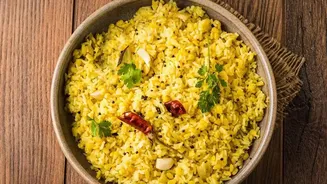
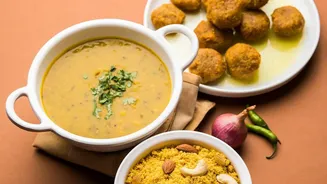
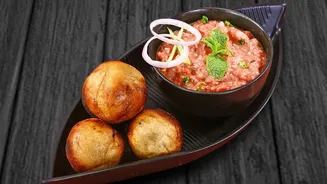
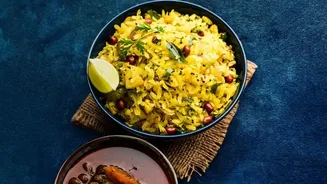
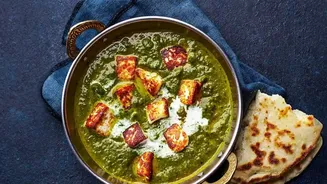
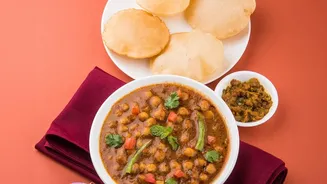
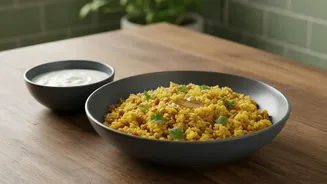
DFRL, which has experience developing food for extreme conditions and even catered to Rakesh Sharma’s 1984 space mission, prepared an extensive menu for consideration. The lab hoped to qualify a wide variety of Indian comfort foods, including favourites like khichdi, pulao, and various vegetable dishes, with an eye on creating a comprehensive menu for future Gaganyaan astronauts. This effort was about more than just variety; it was about ensuring Indian astronauts on long-duration missions could have familiar, comforting meals. In a recent podcast interview, Shukla confirmed that a large selection of dishes was initially proposed for the Ax-4 mission.
The Chosen Three: A Sweet Success
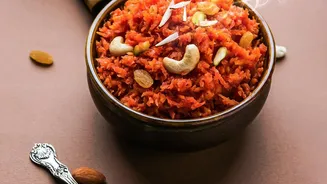
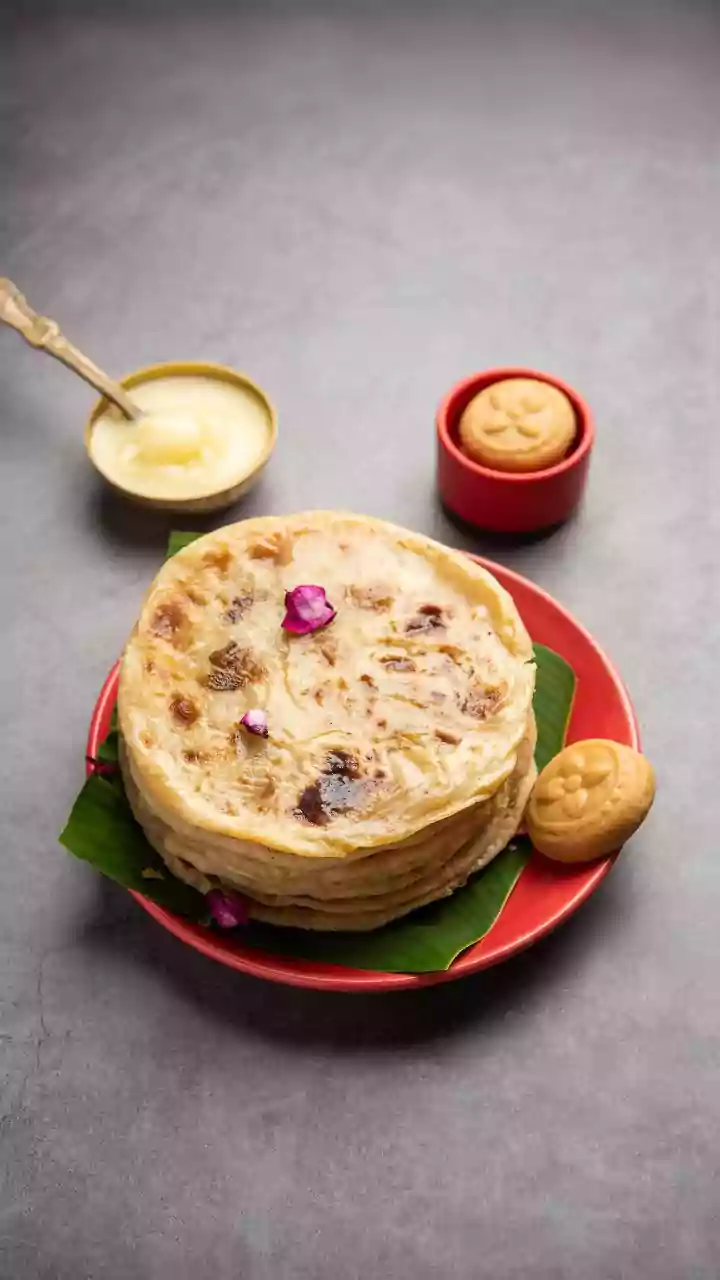
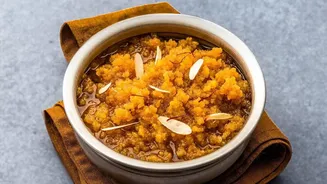
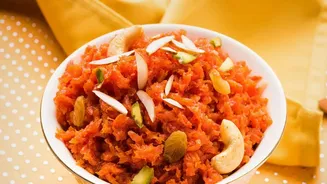
After the rigorous testing process, only three items from the extensive list received the final flight certification. Interestingly, all of them were sweet dishes: Gajar ka Halwa (carrot halwa), Moong Dal ka Halwa, and Aamras (mango pulp). These dishes, staples of Indian dessert cuisine, managed to meet the stringent requirements for stability, safety, and packaging. Their non-crumbly, homogenous texture likely played a significant role in their success. The ready-to-eat meals were specially processed, likely using freeze-drying technology, and packed in pouches that allow for easy rehydration and consumption in zero gravity.
Why Khichdi Didn't Make the Cut
The natural question is why comforting savouries like khichdi or pulao failed to get certified when the halwas and aamras succeeded. According to astronaut Shubhanshu Shukla, it wasn't a single failure but a matter of time. The qualification process is lengthy, and the DFRL team simply ran out of time to conduct all the additional tests required by NASA and Axiom Space for the other dishes. Each dish requires its own battery of tests for microbial safety, stability, and behaviour in microgravity. With a fixed launch date, only the three sweets completed the entire certification journey in time. The experience, however, provided invaluable data for DFRL, which will help streamline the process for the Gaganyaan mission.
A Taste of Home, Enjoyed by All
The Indian dishes proved to be a massive hit aboard the ISS. In a charming anecdote, Shukla shared that his international crewmates enjoyed the halwas and aamras so much that they finished all of it, leaving none for him. While he was happy to share the taste of India, he did admit that by his 13th day in orbit, he began craving the salty and spicy flavours he was missing. His craving was finally satisfied upon his return to Earth when his Indian flight surgeon greeted him with two quintessentially Indian snacks: banana chips and bhakarwadi.