





The Real Deal on Cholesterol
Before we dive into sweeteners, let's have a quick refresher on cholesterol. It’s a waxy substance your body needs to build cells, but too much of the wrong kind is trouble. Low-density lipoprotein (LDL) is the "bad" cholesterol that can build up in your arteries,
increasing heart disease risk. High-density lipoprotein (HDL) is the "good" cholesterol that helps clear the bad stuff away. When you eat too much sugar, your liver tends to produce more LDL and triglycerides—another type of fat—while lowering your helpful HDL. This imbalance is where health risks begin to climb.
The Sugar-Cholesterol Connection
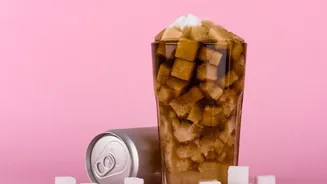
The primary reason people look to sweeteners is to cut down on sugar. This is a valid concern, as a diet high in added sugars is strongly linked to poor cholesterol profiles. When you consume more sugar than your body can use for energy, the liver converts the excess into triglycerides. High triglycerides, combined with high LDL and low HDL, can lead to fatty buildups in the arteries. So, reducing sugar intake is a crucial step for heart health. This is where the idea of using sweeteners comes into play, but the logic isn't as straightforward as a simple substitution.
Do Sweeteners Actually Help?
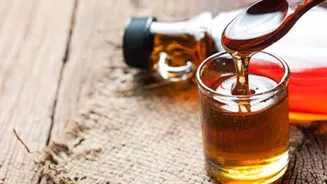
Here's the core of the issue: non-nutritive sweeteners like stevia, aspartame, and sucralose don't contain the sugars that directly lead to higher triglycerides. However, major studies and meta-analyses have found that these sweeteners generally have no significant effect on lowering cholesterol levels. While swapping a sugary drink for a diet version reduces your sugar load, the sweetener itself doesn't actively improve your cholesterol profile. In fact, some research suggests that certain sweeteners might be associated with other metabolic issues that indirectly affect cardiovascular health, though more research is needed. The bottom line is that sweeteners are not a treatment for high cholesterol; at best, they are a tool for reducing sugar consumption, which is only one piece of a much larger puzzle.
The Proven Path to Healthy Cholesterol
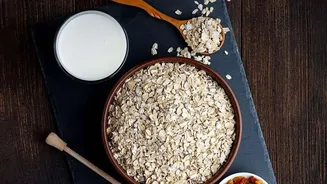
If a single sweetener isn't the answer, what is? The most effective strategies are holistic and focus on overall lifestyle. A heart-healthy diet is paramount. This means reducing saturated and trans fats found in fried foods and fatty meats, and increasing your intake of soluble fiber from sources like oats, beans, apples, and whole grains. Soluble fiber actively helps block the absorption of cholesterol. Incorporating healthy fats from avocados, nuts, and olive oil can also help improve your cholesterol balance.
Beyond the Plate: Lifestyle Matters
Diet is critical, but it works best in tandem with other healthy habits. Regular physical activity is a proven way to raise your 'good' HDL cholesterol. Even moderate exercise like brisk walking makes a difference. Maintaining a healthy weight is also essential, as excess body fat can slow your body's ability to clear LDL cholesterol. Losing even a small amount of weight, around 5 to 10 pounds, can lower your total cholesterol by 5% to 10%. Other major factors include quitting smoking and managing alcohol intake, both of which have a direct impact on your cardiovascular system.