





Two Lifelines of Global Trade
The Strait of Hormuz and the Bab el-Mandeb Strait are two of the most important maritime passages in the world. Hormuz, a narrow waterway between Iran and Oman, connects the Persian Gulf to the open ocean. Through this chokepoint flows roughly 21% of the world's
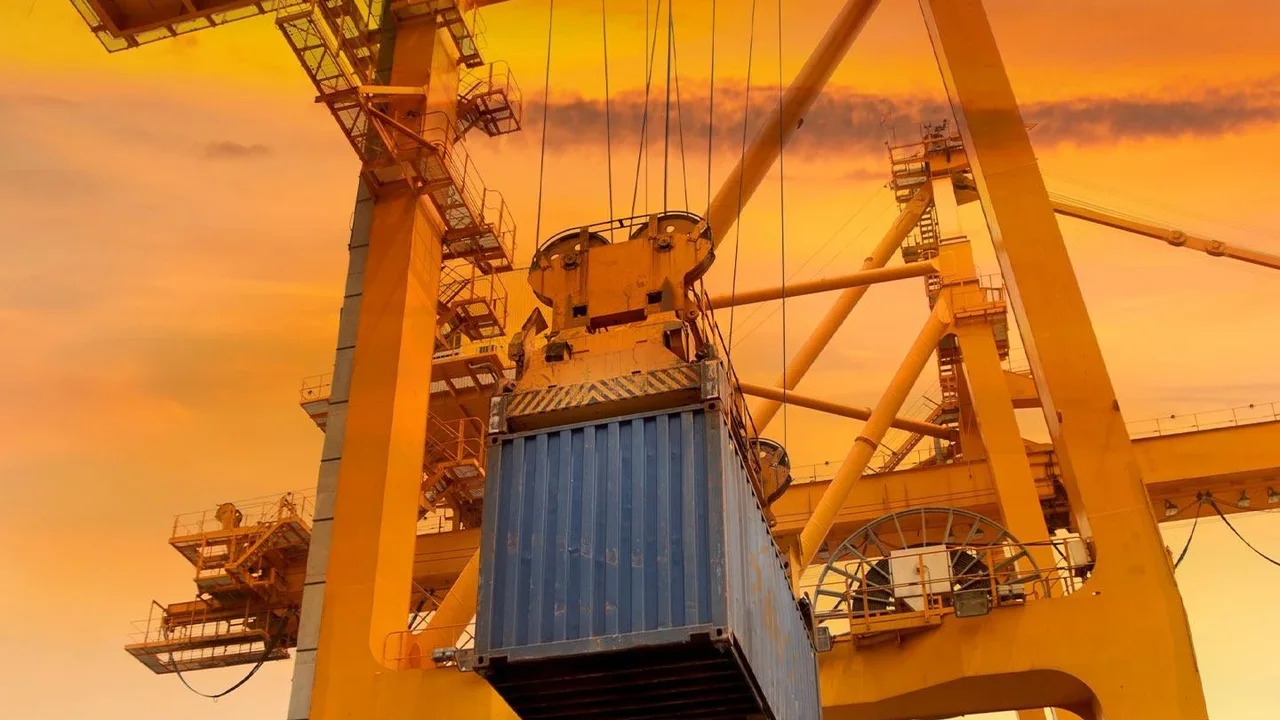
daily petroleum consumption, making it the single most critical artery for global oil supply. The Bab el-Mandeb, located between Yemen on the Arabian Peninsula and Djibouti and Eritrea in the Horn of Africa, connects the Red Sea to the Gulf of Aden and the Indian Ocean. It serves as a vital gateway for trade between Asia and Europe via the Suez Canal. Together, these two straits handle a massive share of global energy and container shipping. Any disruption, let alone a simultaneous closure, poses a significant threat to the global economy.
The Anatomy of a Disruption Scenario
So, what do analysts mean by a “disruption scenario”? It’s not a prediction that something will happen, but rather a sophisticated “what-if” exercise. Geopolitical analysts and energy agencies like the U.S. Energy Information Administration (EIA) and the International Energy Agency (IEA) create these models to understand potential impacts. A scenario might model the effects of a military conflict, a deliberate blockade, or terrorist attacks that render a strait impassable for a period. For example, analysts might simulate the impact of a 50% reduction in oil flow through Hormuz for 30 days. These models factor in variables like available alternative routes, existing pipeline capacity, and the level of global strategic petroleum reserves to estimate the potential shock to supply and the resulting price surge. Recent tensions, including attacks on shipping, have provided real-world data points for refining these hypothetical models.
Why Price Estimates Are Not Forecasts
This is the key distinction. A price estimate within a scenario—for instance, a statement that a full closure of both straits could push oil to $135 per barrel—is an output of the model, not a prediction of what will appear on market tickers next week. It represents the theoretical price needed to balance supply and demand under the extreme duress of the scenario's assumptions. Think of it as a stress test for the global financial system. These figures are designed to help governments and corporations plan for worst-case outcomes and assess their vulnerabilities. They are tools for risk management, not market forecasting. Real-world prices are influenced by a multitude of factors, including market sentiment, diplomatic efforts, and the release of strategic reserves, which can dampen the initial shock.
What This Means for India
For India, these scenarios are more than just academic exercises. As the world's third-largest oil consumer, India imports over 85% of its crude oil needs. A significant portion of these imports, particularly from key suppliers like Iraq, Saudi Arabia, and the UAE, must transit through the Strait of Hormuz. A simultaneous disruption at both Hormuz and Bab el-Mandeb would be a double blow, severely threatening India's energy security and a large portion of its overall trade. Even a temporary disruption can lead to higher import bills, increased freight and insurance costs, and a widening current account deficit. This, in turn, can stoke domestic inflation, impacting everything from fuel prices at the pump to the cost of everyday goods. While India has taken steps to mitigate these risks by diversifying its oil sources and building up strategic reserves, its economy remains highly vulnerable to energy shocks originating in the Middle East.