



The Core Idea: Flavour as a Tool
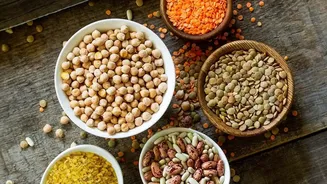
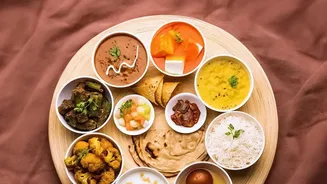
The feeling is familiar: you have rice, dal, and potatoes, but the thought of another standard meal is uninspiring. The solution lies not in buying complicated new ingredients, but in rethinking the ones you already have. Spices and condiments are your
most powerful tools for transformation. A simple yellow dal can become a tangy South Indian sambar with the right spice blend, or a rich, smoky Dal Makhani with a different set of aromatics. The base ingredient doesn't change, but the experience does entirely. The practice begins with understanding that spices do more than add heat; they provide aroma, depth, and a complete flavour profile that can steer a simple ingredient in countless directions.
Mastering the Masala Dabba
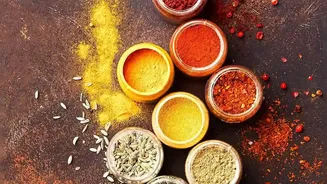
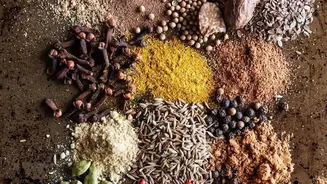
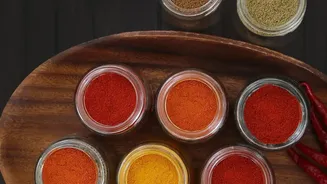
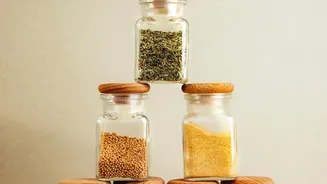
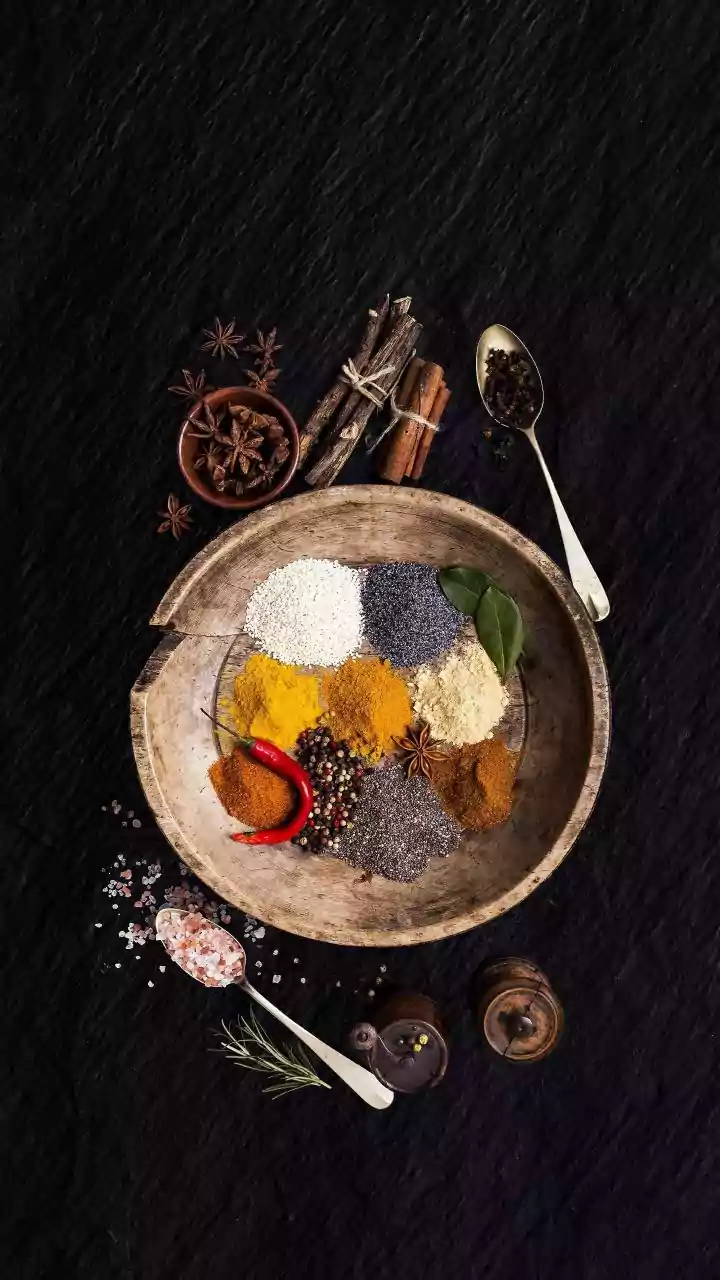
Every Indian kitchen has a masala dabba, but using it creatively is the next step. Cumin, turmeric, coriander, and mustard seeds are the foundational players. Cumin offers an earthy, warm flavour perfect for starting almost any dish, a process known as 'tadka' or tempering. Turmeric provides a peppery, slightly bitter note and vibrant colour. Coriander adds a citrusy, floral note that brightens everything up. But think beyond the basics. A pinch of asafoetida (hing) can provide a savoury, onion-garlic depth to lentil dishes without any chopping. Fenugreek seeds, used sparingly, add a complex, slightly bitter, maple-like aroma. Learning what each spice does allows you to build layers of flavour with intention.
The Power of Blends
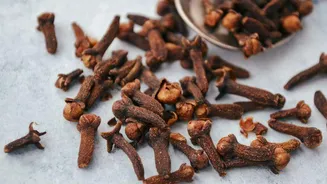
While individual spices are crucial, pre-made spice blends are a fantastic shortcut to complex flavour. Garam masala, a warming mix of spices like cinnamon, cloves, cardamom, and black pepper, is often used as a finishing spice to add a final burst of aroma. But its use can be broader; try adding it to a simple potato stir-fry or even a yogurt marinade. Sambar powder can be used for more than just sambar; a spoonful can add a tangy, lentil-thickened body to a simple vegetable stew. Pav bhaji masala, with its unique blend of over a dozen spices, can liven up a plain rice pulao or a tofu scramble. Don't let the name of the blend limit its application.
Achaar and Chutneys: Your Secret Weapons
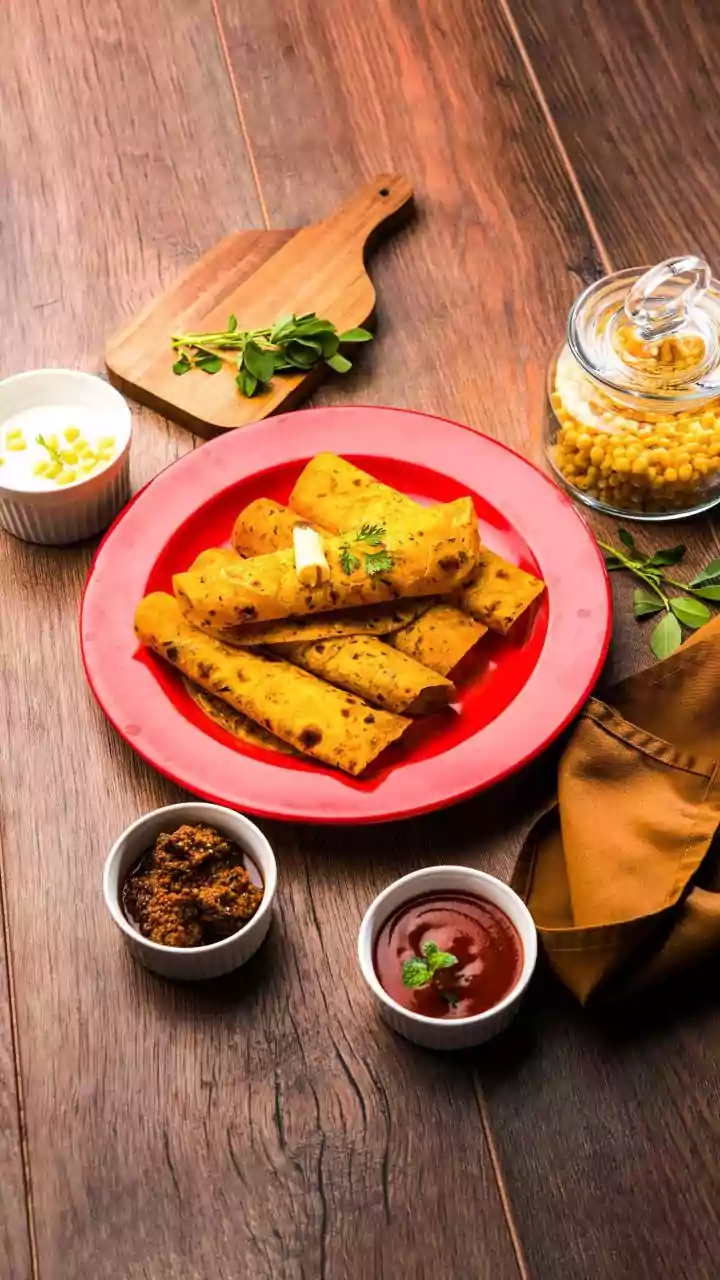
Condiments are the ultimate meal-savers, providing an instant hit of intense flavour. A plain paratha becomes a satisfying meal with a side of spicy mango or lemon pickle (achaar). But you can also cook with them. Stir a spoonful of green chilli pickle into your dal tadka for a fiery twist, or mix some garlic achaar with yogurt for a quick raita. Chutneys serve a similar purpose. A simple mint-coriander chutney can be a refreshing dip for pakoras, a spread for a sandwich, or a dressing for a quick salad. Sweet and sour tamarind chutney can balance the richness of fried snacks or add a tangy glaze to grilled paneer.
In Practice: The Humble Potato, Three Ways
Let's take one of the most common pantry staples: the potato. With just a few tweaks, you can create three entirely different dishes. 1. Jeera Aloo: A classic North Indian side. Start by tempering cumin seeds (jeera) in hot oil until they pop. Add boiled, cubed potatoes, turmeric, red chilli powder, and salt. Sauté until lightly browned and finish with a squeeze of lemon juice and fresh coriander. The primary flavour is earthy and simple. 2. Achaari Aloo: A tangy, pungent dish. In your tadka, use mustard seeds and fennel seeds. Add the boiled potatoes along with turmeric, a little chilli powder, and a generous tablespoon of your favourite mango pickle masala. The pickle transforms the potatoes with its sour and spicy notes. 3. Chilli-Garlic Potatoes: An Indo-Chinese take. Sauté finely chopped garlic and green chillies in oil. Add the cubed potatoes and toss with a splash of soy sauce, a pinch of sugar, and some red chilli flakes. The flavour profile shifts to savoury, spicy, and umami-rich.