




The Gateway to the Roof of the World
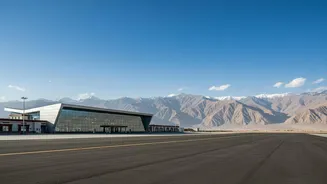
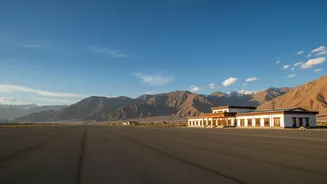
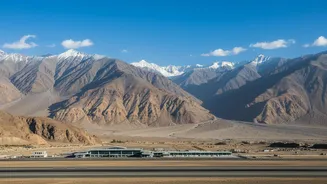
Perched at a breathtaking altitude of 3,256 metres (10,682 feet), Leh's Kushok Bakula Rimpochee Airport holds the title of India's highest commercial airport. Named after the revered spiritual leader and statesman, the 19th Kushok Bakula Rinpoche, the airport is
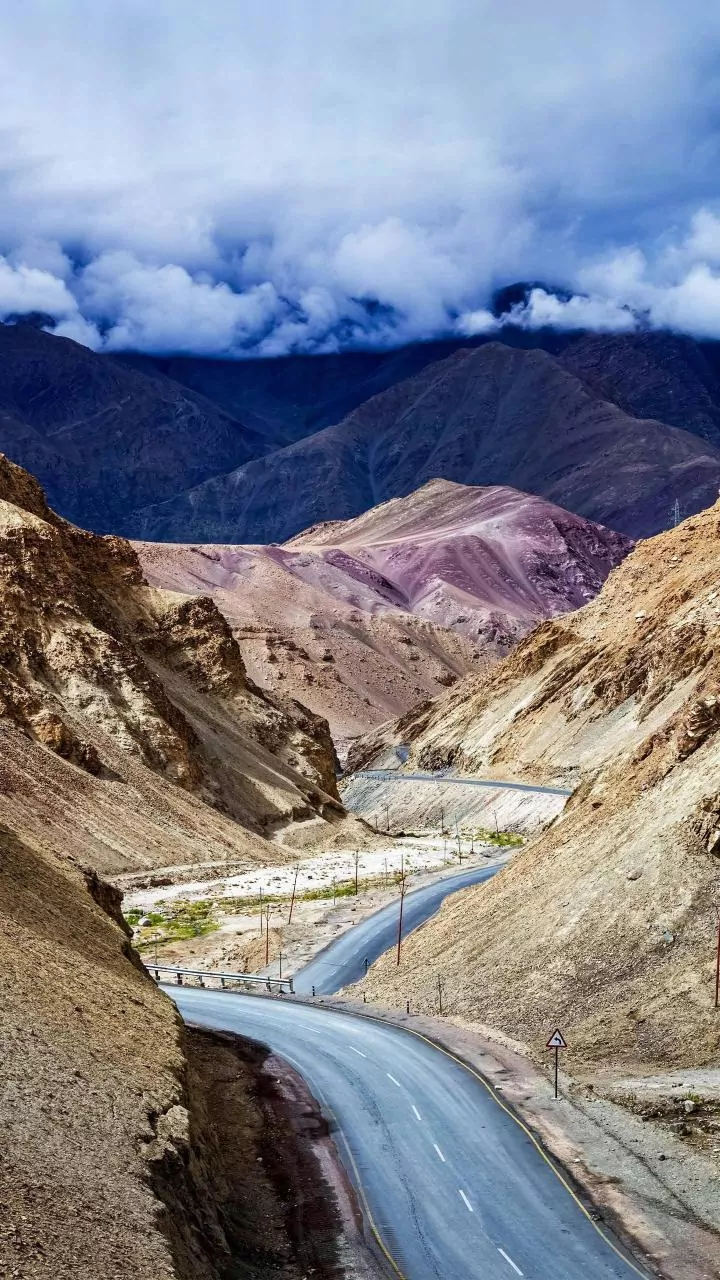
more than just a point of transit; it's a vital lifeline. It connects the remote, high-desert landscape of Ladakh to the rest of India, serving as a critical hub for local residents, the military, and a growing number of tourists drawn to the region's stark beauty. For several months a year, when heavy snowfall renders mountain passes impassable, this airport becomes the sole entry and exit point, cementing its strategic importance.
An Engineering and Aviation Marvel
Operating an airport at such an elevation presents a unique set of challenges that demand exceptional skill and precision. The thin air reduces aircraft engine efficiency and lift, requiring longer runways for takeoff and specialised landing procedures. Pilots need specific training to navigate the valley approach, which is flanked by towering peaks. Furthermore, flights are almost exclusively scheduled for the morning. As the day progresses, the sun heats the surrounding terrain, creating strong mountain winds and turbulence that make landings and takeoffs significantly more hazardous. These operational constraints mean that only certain types of aircraft, like the Airbus A320 family, are typically seen here, flown by highly experienced crews.
Connecting Leh to India
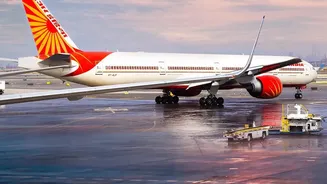
Despite the operational complexities, the airport is well-connected to major Indian cities. Airlines such as Air India, IndiGo, and SpiceJet operate regular flights, primarily linking Leh with New Delhi. There are also direct connections to other key hubs like Mumbai, Chandigarh, and Srinagar, though some may be seasonal. This connectivity is crucial for the tourism industry, which has become a cornerstone of the local economy. A new, larger terminal building has been under construction to accommodate the rising number of passengers, reflecting the region's growing popularity and the airport's central role in its development.
Your First 48 Hours: The Art of Acclimatisation
For travellers, the most critical part of arriving by air is managing the rapid ascent to high altitude. Acute Mountain Sickness (AMS) is a real risk, with symptoms including headaches, dizziness, and nausea. To prevent it, the golden rule is to acclimatise properly. Health experts and seasoned travellers recommend complete rest for the first 24 to 48 hours after landing. This means no immediate sightseeing or strenuous activity, not even a long walk through the market. Instead, allow your body to adjust by staying hydrated—drinking three to four litres of water is advised—and eating light, high-carbohydrate meals. Avoiding alcohol and smoking during this initial period is also crucial for a safe and enjoyable trip.
Beyond the Airport: Gateway to Adventure
Once you are properly acclimatised, Leh serves as the perfect base camp for exploring the wider Ladakhi landscape. Within the town itself, you can visit the historic Leh Palace, the serene Shanti Stupa, and bustling local markets. But the true magic lies beyond the city limits. The airport is the starting point for epic road trips to some of India's most iconic destinations. A journey over the Khardung La pass—one of the world's highest motorable roads—takes you to the sand dunes and double-humped camels of the Nubra Valley. Another popular excursion leads to the breathtaking, colour-changing Pangong Tso, a high-altitude lake that stretches across the border into Tibet. Other must-see locations accessible from Leh include the serene Tso Moriri lake and the otherworldly landscapes of Lamayuru.