




The Planetary Protection Problem
For decades, space agencies have operated under a principle called planetary protection. Governed by the 1967 Outer Space Treaty, it's a two-way street: prevent Earth microbes from contaminating other celestial bodies (forward contamination) and ensure
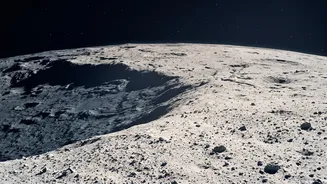
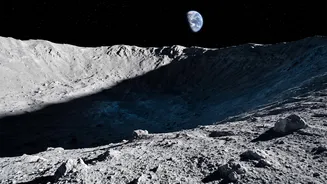
nothing extraterrestrial hitches a ride back to Earth (back contamination). Historically, the Moon was considered a low-risk environment. Its lack of atmosphere, extreme temperature swings, and intense radiation were thought to create a lethal cocktail for any terrestrial life. It was classified as a body where contamination was not a major concern. This thinking is now being challenged. As missions like Artemis target the lunar South Pole, a region believed to harbor water ice in permanently shadowed craters, the stakes for science are higher than ever. These icy deposits could hold clues to the origins of our solar system, and contaminating them with Earthly microbes could permanently muddy the scientific waters.
Our Surprisingly Hardy Hitchhikers
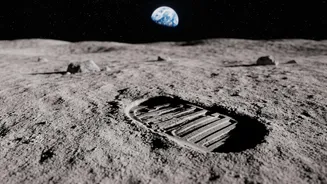
Recent NASA-led research has put the old assumptions to the test. Using simulations based on data from the Lunar Reconnaissance Orbiter, scientists modeled conditions at several proposed Artemis landing sites near the South Pole. They then examined how five common microbes, including fungi like Aspergillus niger (a type of black mold) and various bacteria often found on spacecraft, would fare. The results were surprising. While bacteria struggled with the UV radiation, the fungi proved remarkably tough. In certain shaded areas, particularly during the lunar autumn and winter, simulations showed that microbes could survive for weeks or even months in a dormant state. The fungus Aspergillus was the clear champion, with its thick cell walls and protective pigments making it well-suited to endure the harsh lunar poles. This study focused only on survival, not growth, but it confirmed that even microscopic nooks and crannies, like a rover's tread or a bootprint, could create survivable niches.
New Questions for Artemis
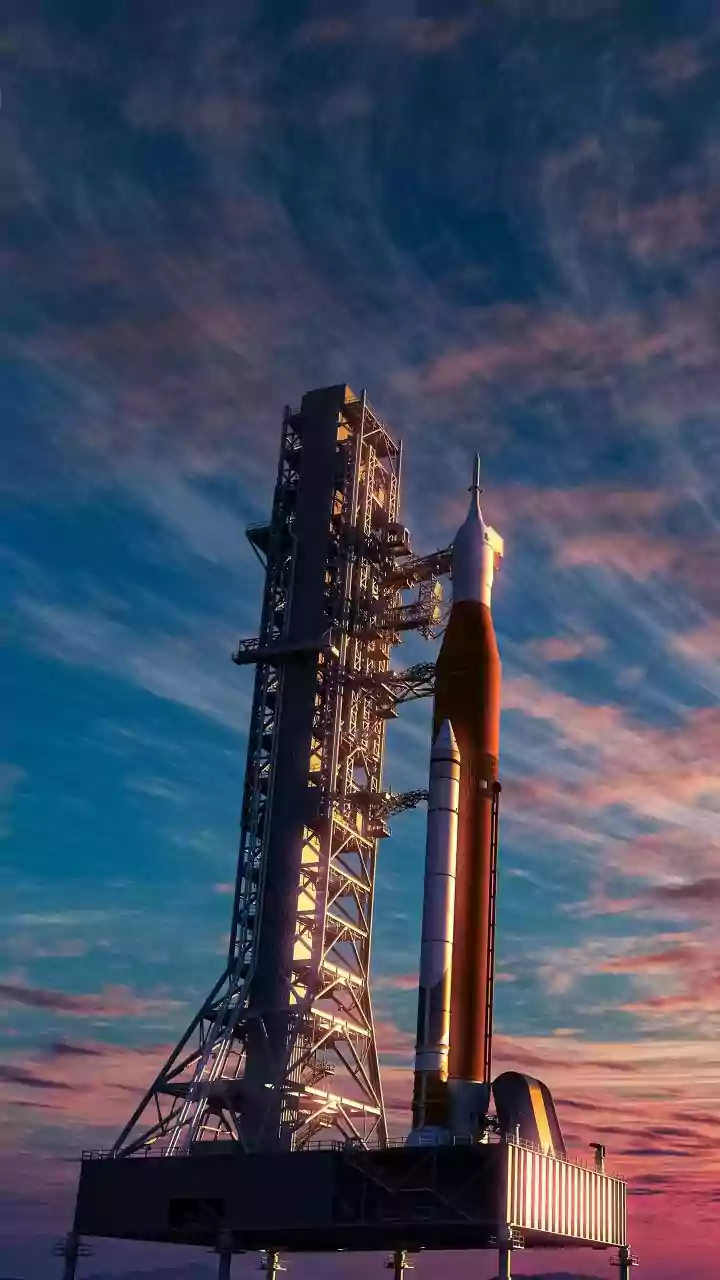
These findings pose significant questions for the Artemis program and other future lunar missions. If we can't avoid bringing microbes with us—and with human explorers, it's impossible—how can we distinguish what's truly lunar from what we brought along? The contamination risk could severely impact scientific goals, especially the search for ancient chemistry in lunar ice. There's also the issue of spacecraft themselves. While robotic probes can be baked at high temperatures to reduce their bioburden, this isn't an option for crewed missions. The very clean rooms where spacecraft are assembled can inadvertently select for tougher, more resilient microbes that are more likely to survive the journey. Heather Graham, a NASA geochemist and co-author of the study, noted that contamination is essentially unavoidable. Therefore, the focus must shift to meticulously tracking what we bring so that future scientists can differentiate between terrestrial contamination and native lunar materials.
The Search for a Solution
The discovery doesn't mean we have to abandon our lunar ambitions. Instead, it highlights the need for more robust planetary protection protocols for the Moon. This could involve enhanced sterilization techniques, like using Vapor Hydrogen Peroxide (VHP) on sensitive equipment that can't be heat-treated. It also underscores the importance of careful site selection for landings and for establishing a long-term lunar base. Some researchers have even proposed using the Moon as a natural laboratory to test the limits of microbial survival in a controlled manner, turning an unavoidable problem into a unique scientific opportunity. As we stand on the precipice of a new era of lunar exploration, the challenge is clear. We must learn to be responsible interplanetary travelers, exploring new worlds while doing our utmost to preserve their scientific integrity for the generations of explorers who will follow.