A Success Story with a Challenge
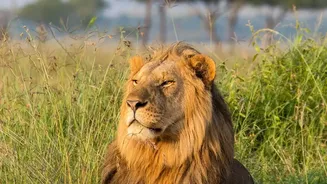
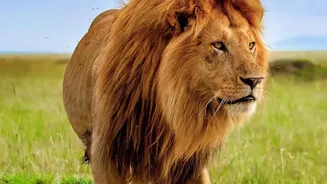
The conservation of the Asiatic lion is one of India's most triumphant wildlife sagas. From a precarious population on the brink of extinction in the early 20th century, their numbers have rebounded significantly. The 2020 census recorded 674 lions, a figure
that has continued to climb. This remarkable recovery, centered in Gujarat's Gir National Park, has led to a new challenge: success has created strain. The Gir landscape, while expansive, is struggling to contain the growing population. Lions are increasingly dispersing into human-dominated areas, navigating farms and villages, which heightens the risk of conflict and accidents.
Why a Second Home is a Necessity
Relying on a single location for an entire species is a high-stakes gamble. Conservation experts have long warned that confining the world's only wild population of Asiatic lions to one area exposes them to catastrophic risks. An epidemic, like the Canine Distemper Virus that has affected lion populations before, could devastate the species. Natural disasters or other unforeseen events also pose a significant threat. Establishing a second, geographically separate population acts as an essential insurance policy, a concept supported by a 2013 Supreme Court ruling that identified such a move as crucial for the lions' long-term survival.
Introducing Barda Wildlife Sanctuary
Located about 100 kilometres from Gir, the Barda Wildlife Sanctuary is now officially at the center of 'Project Lion'. Covering 192 square kilometres across the Porbandar and Devbhumi Dwarka districts, this rugged, hilly terrain was once the private hunting ground of the former royal state of Porbandar. A recent scientific study has confirmed that Barda's mix of forests and grasslands provides a suitable habitat to support a long-term lion population. The area is rich in biodiversity and has seen the natural return of lions after an absence of nearly 144 years, a process helped by the forest department. A male lion naturally dispersed to the area, followed by the introduction of five females.
Preparing the New Home
Making Barda a viable habitat is a proactive process. The Gujarat Forest Department is focused on habitat improvement and, crucially, augmenting the prey base. To ensure the lions have enough natural food, hundreds of spotted deer (chital) and sambar have been translocated to Barda. This is vital to reduce the lions' reliance on livestock, which can lead to conflict with local communities. At the same time, the government has initiated a voluntary relocation scheme for the Maldhari pastoralist families living inside the sanctuary, offering a compensation package of Rs 15 lakh per family to move outside the protected zone. This initiative aims to reduce human pressure on the habitat and create an undisturbed space for wildlife.
The Road Ahead
Currently, Barda is home to 17 lions, and their behaviour is being closely monitored. Studies using radio-collared individuals show the lions are establishing territories and adapting well to their new environment. However, challenges remain. The current prey density in Barda is still considered low, with a heavy reliance on wild pigs. Sustained efforts to increase the population of deer and nilgai are critical for long-term success. For local communities, the arrival of lions brings both opportunities and concerns. The forest department is promoting ecotourism, training residents as guides and safari operators, which has already seen a significant rise in visitor numbers and provides new livelihoods. Balancing conservation goals with human interests will be key to ensuring Barda flourishes as a true second stronghold for these majestic animals.