



Karwa Chauth is a festival of love, devotion, and tradition celebrated across North India. While the day-long fast is its most famous aspect, the rituals from sunrise to moonrise are what give the day its profound meaning.
The Foundation of the Fast
At its heart, Karwa Chauth is
a 'nirjala vrat'—a strict fast observed by married women from sunrise to moonrise without consuming any food or water. This act of devotion is undertaken to pray for the husband's longevity, well-being, and prosperity. The festival falls on the fourth day ('chauth') after the full moon in the Hindu month of Kartik. The word 'karwa' refers to the earthen pot used in the evening prayers, which is central to the rituals. While traditionally observed by wives, the festival has evolved, with some husbands now fasting alongside their partners as a gesture of mutual love and respect.
The Pre-Dawn Meal: Sargi
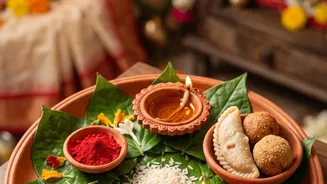
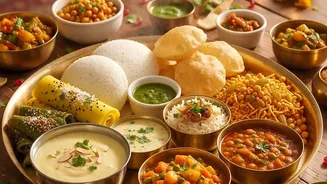
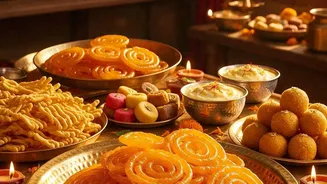
The day begins before the sun comes up with a crucial ritual called 'Sargi'. This is a pre-dawn meal that a mother-in-law lovingly prepares for her daughter-in-law. More than just food, Sargi is a symbol of blessing, care, and support for the long day of fasting ahead. The thali typically includes nourishing foods like fruits, dry fruits, sweets, and light dishes like feni or mathri, meant to provide energy. After consuming the Sargi, the fast officially begins at sunrise and is not broken until the moon is sighted at night.
Daytime Rituals and Vrat Katha
The daylight hours are spent in a state of prayer and anticipation. Women often dress in festive attire, typically in auspicious colours like red, pink, or orange, and adorn themselves with 'solah shringar' (sixteen adornments). A significant part of the day involves the 'Vrat Katha', which is the recitation of the stories associated with Karwa Chauth. Women in a community often gather in the evening to perform puja and listen to these tales together. The most famous story is that of Queen Veeravati, who was tricked by her loving brothers into breaking her fast before moonrise, leading to her husband's illness. Her penance and unwavering devotion eventually restored his health, a story that underscores the importance of completing the fast with sincerity.
The Climactic Moonrise Ritual
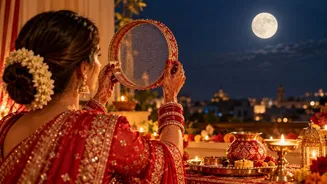
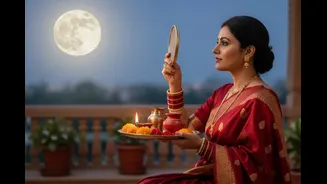
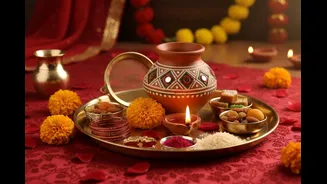
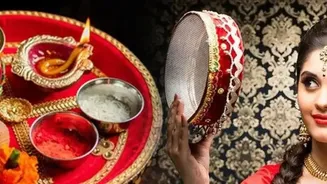
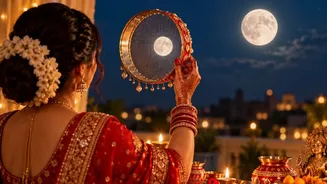
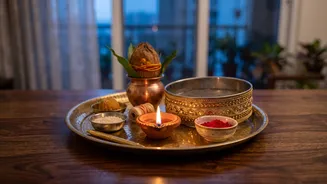
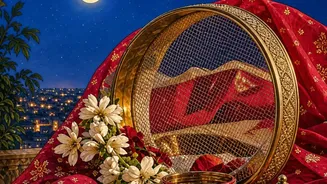
The most awaited moment of Karwa Chauth is the rising of the moon. As night falls, women prepare a puja thali containing a diya (lamp), sweets, and the 'karwa' filled with water. They head to an open space, often the terrace, to view the moon. The key ritual involves looking at the moon through a 'channi' (sieve) and then turning to look at their husband's face through the same sieve. After this, they offer 'arghya' (a water offering) to the moon to seek its blessings. The husband then offers his wife the first sip of water and a bite of food, formally breaking her fast. This beautiful ceremony marks the successful completion of the day's devotion.
Why the Moon is So Important
The moon's central role in Karwa Chauth is deeply symbolic. As a celestial body that governs time and emotions, the moon acts as a divine witness to the woman's fast and devotion. The legend of Queen Veeravati serves as a powerful cautionary tale about the importance of waiting for the true moon. Breaking the fast prematurely is considered inauspicious. The sieve used in the ritual is also rich in metaphor; it symbolises the act of filtering out all negativity and seeing only the good—in the moon and in one's partner. The patient wait for the moonrise represents the longing and endurance inherent in love, and its appearance signifies a triumphant conclusion to a day of prayer and sacrifice.