







A Multi-Billion Dollar Bet on Infrastructure
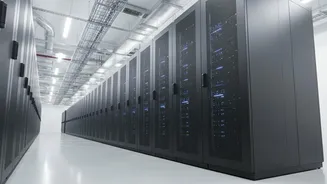
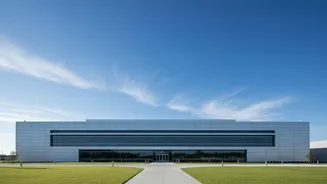
OpenAI has announced plans for its first major data centre campus built under its own direction, a multi-billion dollar project signaling a profound strategic shift. Dubbed 'Project Camellia' and located in Georgia, this facility is a behemoth by any
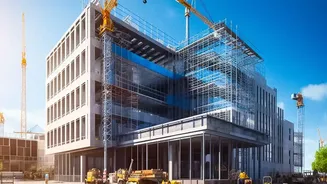
standard, with a projected cost of between $20 to $30 billion and plans to consume 3.2 gigawatts of power. To put that in perspective, that's enough energy to power over two million homes. This isn't just about adding more servers; it represents a move from being a 'tenant' in the cloud world, primarily reliant on partners like Microsoft Azure, to becoming a 'landlord' of its own computational destiny. This project is the first time OpenAI will lead the design and construction of its own facility from the ground up, a clear indication that it views control over its physical infrastructure as critical for future growth.
The Strategic Shift from Renting to Owning
For years, OpenAI's strategy was intertwined with Microsoft, which provided the immense cloud computing power needed to train models like GPT-4 on its Azure platform. While this partnership remains crucial, the demands of next-generation AI are forcing a change in thinking. The core driver is the insatiable need for more specialised and powerful computing. By building its own data centres, OpenAI gains direct control over everything from the physical layout and cooling systems to the network architecture. This allows the company to optimise its facilities specifically for the unique demands of training and running massive AI models, potentially cutting costs and speeding up construction and deployment. This pursuit of 'vertical integration' is a well-trodden path for tech giants. As companies scale, owning the core components of their business can provide a significant competitive advantage in cost, performance, and speed.
Why Control Matters More Than Ever
The decision to build is fundamentally about securing a strategic advantage in the AI race. Relying solely on third-party cloud providers, even a close partner, can introduce constraints on capacity, design, and long-term cost. As AI models become exponentially more complex, securing guaranteed access to colossal amounts of power and compute becomes a matter of survival. An internal executive noted that after several generations of using rented infrastructure, the company has learned lessons on how to design facilities better and more cheaply itself. Furthermore, this move is part of a broader trend where site selection is becoming 'power-first' rather than 'fiber-first'. Instead of just looking for locations with fast internet, AI companies are now prioritising places where they can secure massive, reliable energy sources, even if it means building their own dedicated power infrastructure.
What This Means for the Microsoft Partnership
OpenAI's move to build its own infrastructure does not signal a divorce from Microsoft. Recent amendments to their partnership have already provided both companies with more flexibility. While Microsoft remains a primary cloud partner, OpenAI now has the freedom to serve its products across other cloud providers and pursue its own large-scale infrastructure projects. This evolution reflects a market that has grown far beyond what either company might have imagined in 2019. The scale of AI now is so vast that even a hyperscale provider like Microsoft may not be able to satisfy all of OpenAI's future needs exclusively. This new data centre, therefore, is less a threat to the partnership and more a necessary expansion to meet an explosive growth in demand that benefits both companies as they continue to collaborate on scaling capacity.
A Glimpse into the Future of AI
OpenAI's infrastructure ambitions go far beyond a single data centre in Georgia. The company has reportedly increased its projected infrastructure spending through 2030 to a staggering $750 billion. Other massive projects are also being discussed, including a potential 10-gigawatt campus in Ohio that could be backed by chipmaker Nvidia. This move toward self-building and direct control is a clear sign that the AI industry is maturing. The astronomical cost and energy requirements are transforming AI leaders from software companies into industrial-scale infrastructure giants. Owning the physical foundation of AI may soon become as important as writing the code that runs on it, defining the next decade of technological competition.