





The Allure of the Short List
In a world of confusing labels and ultra-processed foods, a short ingredient list feels like a breath of fresh air. It suggests a product is more natural, less processed, and free from a long list of chemical additives. This 'clean eating' approach has
led many of us to believe that fewer ingredients automatically means healthier. Marketers know this, and you'll often see packages proudly proclaiming 'Made with only 5 ingredients!' This messaging is powerful because it simplifies our choices. It creates a mental shortcut: short list equals good, long list equals bad. While this can be a helpful starting point for avoiding some unhealthy additives, it’s a dangerous oversimplification when it comes to building a genuinely nourishing meal.
What Makes a Breakfast 'Complete'?
A truly complete or balanced breakfast isn’t about the number of ingredients, but the quality of its nutritional components. After fasting overnight, your body and brain need the right fuel to function optimally. A balanced breakfast should provide a combination of three key macronutrients. First, protein is essential for building and repairing tissues and keeping you feeling full and satisfied until your next meal. Second, you need complex carbohydrates rich in fibre. These provide sustained, slow-release energy, preventing the blood sugar spikes and crashes that come from simple sugars. Finally, a dose of healthy fats supports brain health and helps your body absorb certain vitamins. A breakfast that delivers on all three fronts will boost your energy, sharpen your focus, and help regulate your appetite throughout the day.
The Short-List Trap: Common Culprits
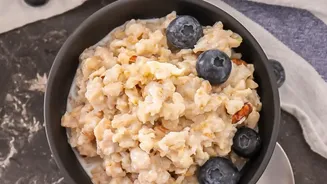
Many popular breakfast options that seem healthy due to their simplicity fall short of being a complete meal. Consider a packet of plain instant oats. The ingredient list might just say 'Rolled Oats'. While oats are a fantastic source of complex carbs and fibre, this breakfast is missing significant protein and healthy fats. You’ll likely feel hungry again sooner than you'd like. Similarly, a simple fruit smoothie made with just fruit and water provides vitamins and some carbs but lacks the protein and fat needed for satiety and sustained energy. Even a traditional breakfast of toast with butter, while simple, is primarily carbs and fat, with very little protein or fibre. These breakfasts aren't necessarily 'bad', but they are incomplete. They represent a starting point, not a final destination.
How to Build a Better Breakfast
The good news is that turning these simple bases into complete meals is easy. The strategy is to add, not just subtract. Start with your simple base and think about what’s missing. For that bowl of instant oats, transform it by adding a scoop of protein-rich Greek yogurt or a handful of nuts and seeds like almonds or chia for protein and healthy fats. You can also stir in some paneer for a savoury option. That fruit smoothie becomes a powerhouse when you blend in nut butter, seeds, or a scoop of protein powder. If you’re having toast, choose whole-grain bread for more fibre and top it with eggs or avocado to get the protein and healthy fats you need. Pairing a paratha with a side of dahi or a dal completes the meal in a similar way.
Reading Beyond the Ingredient Count
Instead of just counting ingredients, get into the habit of scanning the nutrition information panel. Look for a good balance of protein and fibre. A breakfast with at least 15-20 grams of protein and over 5 grams of fibre is a great target to aim for to promote fullness and steady energy. Pay attention to the sugar content, especially in packaged goods like cereals, granola bars, and flavoured yogurts, where sugar can be hidden even with a short ingredient list. The goal is to move beyond the marketing claims on the front of the box and become an informed consumer. An ingredient list is a piece of the puzzle, but it doesn't show you the whole picture of what you are eating.