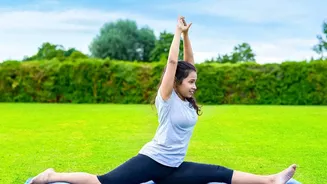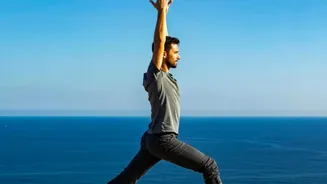






What Exactly Is Sidewalk Yoga?
At its heart, sidewalk yoga is about adapting your practice to the urban environment. It’s less about a specific style and more about a change in mindset. Instead of being confined by four walls, it encourages you to see public spaces—a quiet pavement,
a corner in a park, or a residential lane—as your personal studio. The core idea is accessibility; you can begin a meaningful practice with just your own body and a few feet of space. This approach removes common barriers like costly memberships and the need for extensive equipment, making wellness a spontaneous and integrated part of your daily life. It’s about finding moments of peace and movement wherever you are.
The Mental and Physical Perks of Moving Outdoors
Taking your practice outside comes with a host of scientifically-backed benefits. Breathing in fresh, oxygen-rich air can rejuvenate your respiratory system and increase vitality. Sunlight allows your body to produce Vitamin D, which is crucial for bone health, immune function, and mood regulation. Studies have shown that being in nature, even in an urban park, can lower stress levels, reduce anxiety, and improve your overall mood. The natural sounds and sights stimulate the brain and enhance cognitive function. This connection with nature, even in small doses, has a grounding effect, helping to promote relaxation and mental clarity that can be hard to achieve indoors.
Why 'Low-Equipment' Is a Game Changer
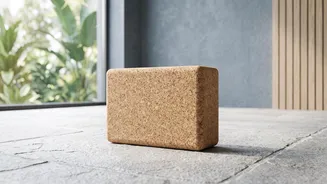
One of the biggest advantages of sidewalk yoga is its minimalist nature. The belief that you need a room full of blocks, straps, and bolsters is a common misconception that stops many from starting. In reality, your own body weight provides more than enough resistance to build strength and improve mobility. Foundational poses don't require any props. This low-equipment approach makes yoga incredibly democratic. It means you can practice during a lunch break, while waiting for a friend, or as a way to start your day in a nearby park without lugging around a heavy bag. All you truly need is a comfortable and safe spot on the ground.
Simple Poses to Get You Started
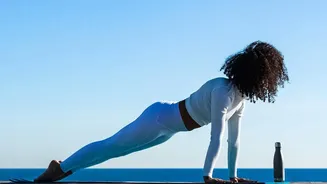
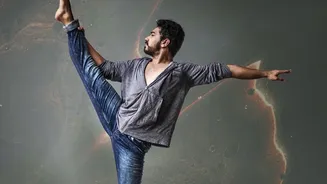
You don’t need to be a human pretzel to practice outside. Focus on stable, foundational poses that work well on potentially uneven surfaces. Mountain Pose (Tadasana) is perfect for improving posture and balance. Warrior II builds strength and confidence. For balancing, Tree Pose (Vrksasana) helps you connect with the ground beneath you. Stretches like Cat-Cow can be done to warm up the spine, while a simple Standing Forward Bend can release tension. These poses use your body weight for resistance and the floor for stability, allowing you to build a solid practice from the ground up.
Finding Your Spot and Practising Safely
Finding a suitable location in a bustling Indian city might seem challenging, but it’s possible. Look for wider, cleaner pavements in quieter residential areas, small community parks, or even a terrace. Early mornings are often the best time to find peace and space. When you practice, safety is paramount. Be aware of your surroundings—pedestrians, traffic, and uneven ground. If you're practicing barefoot, ensure the surface is clean and free of sharp objects. While a mat can provide cushioning and grip, it's not essential, though a small towel can be useful on dirt or dewy grass. The goal is to feel comfortable and secure, so choose a location that helps you calm down and focus.