







Skipping Breakfast Entirely
In a rush to get out the door, it’s easy to let breakfast fall by the wayside. However, skipping your morning meal can have consequences that last all day. After an overnight fast, your body needs fuel to stabilize blood sugar. Going without food can signal
your liver to release stored glucose, which can sometimes lead to an unexpected rise in blood sugar levels. Furthermore, research shows that skipping breakfast often leads to larger blood sugar spikes after lunch and dinner. This happens because your body's insulin response can become impaired for the rest of the day. A simple solution is to have a small, balanced meal ready to go. Think a hard-boiled egg, a handful of nuts, or a protein shake to break your fast and start your metabolism on the right foot.
Choosing Sugary Cereals or Pastries
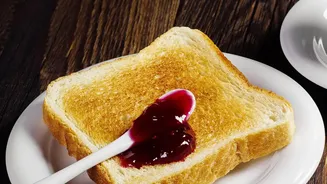
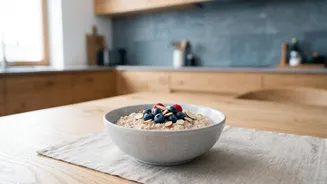
Many convenient breakfast options like sweetened cereals, bagels, muffins, and pastries are packed with refined carbohydrates and added sugars. These foods are digested very quickly, causing a rapid surge in blood glucose. Your body then releases a large amount of insulin to manage this sugar rush, which often leads to a subsequent crash, leaving you feeling tired and hungry long before lunchtime. Even cereals marketed as “healthy” can be high in sugar and low in fiber. A better choice is a breakfast rich in fiber and protein, which slow down digestion and promote a more gradual release of sugar into the bloodstream. Consider options like plain oatmeal topped with berries and nuts, or whole-grain toast with avocado and eggs.
Drinking Fruit Juice Instead of Eating Fruit
Fruit juice is often perceived as a healthy way to get your daily vitamins, but it affects your blood sugar very differently than whole fruit. When fruit is juiced, most of its beneficial fiber is removed. Fiber is crucial because it slows down the absorption of sugar. Without it, the natural sugars (fructose) in the juice are absorbed rapidly, causing a sharp spike in blood sugar, similar to drinking a sugary soda. Eating a whole orange, for example, provides fiber that helps you feel full and ensures the sugar is released more slowly. Studies have shown that while whole fruit consumption is linked to a lower risk of type 2 diabetes, fruit juice consumption is associated with an increased risk. So, next time you're craving fruit, eat the whole thing instead of reaching for a glass of juice.
Loading Coffee with Sugar and Creamer
For many, coffee is a non-negotiable part of the morning. While black coffee has a minimal impact on blood sugar for most people, the additions can turn it into a sugar bomb. Flavored syrups, table sugar, and many popular creamers are loaded with fast-digesting carbohydrates that can cause an immediate glucose spike, especially on an empty stomach. Even some sugar-free creamers contain additives like maltodextrin, which has a higher glycemic index than table sugar, or artificial sweeteners that can still provoke an insulin response in some individuals. The caffeine in coffee can also trigger the release of cortisol, a hormone that tells your liver to release glucose, which can amplify the effect of any added sugar. To keep your coffee from destabilizing your blood sugar, try drinking it black or with a splash of unsweetened milk or a clean, fat-based creamer.
Staying Sedentary After Waking
What you do after you eat matters, too. Remaining seated for long periods after breakfast means the glucose from your meal builds up in your bloodstream with nowhere to go. Physical activity helps your muscles use this glucose for energy, effectively clearing it from your blood and improving your body's sensitivity to insulin. You don't need an intense gym session; even a short 10 to 15-minute walk after your morning meal can significantly reduce post-meal blood sugar spikes. Morning exercise, particularly before breakfast, has been shown to improve insulin sensitivity and help regulate glucose levels throughout the day. Building a little movement into your morning—whether it's a walk, some stretching, or a few bodyweight exercises—can make a big difference in keeping your energy and blood sugar levels stable.