


Mount Kilimanjaro, Tanzania
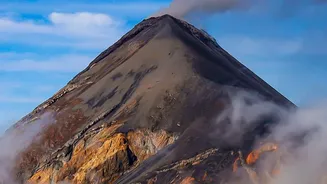
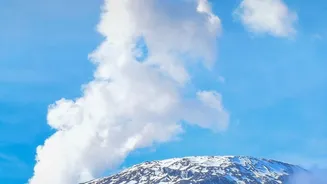
As Africa’s highest peak and one of the famed Seven Summits, Kilimanjaro is a bucket-list giant. It’s a non-technical trek, meaning you don't need ropes or mountaineering skills, which makes it seem deceptively accessible. Trekkers pass through five distinct
climate zones, from lush rainforest to an arctic summit. The appeal is in conquering a world-famous mountain that is, in theory, walkable. The reality is a brutal test of endurance. The primary obstacle is extreme altitude, which can cause severe sickness regardless of your fitness level. The other major factor is the wildly unpredictable weather. Even in the dry season, summit attempts are marked by freezing temperatures, icy winds, and the potential for sudden snowstorms. Hypothermia is a serious risk. Temperatures at the base can be a balmy 25°C, while the summit plummets well below freezing. Success is less about walking and more about managing altitude and extreme cold.
Mount Fuji, Japan
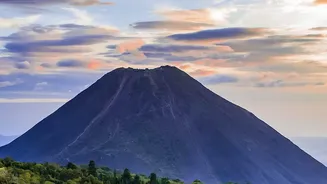
Japan's iconic, perfectly conical volcano is a symbol of the nation and a UNESCO World Heritage site. The desire to watch the sunrise from its summit, known as 'goraiko', fuels a massive pilgrimage each summer. The cultural significance and stunning views from above the clouds make it a powerful draw for both Japanese and international tourists. The caveats are significant and growing. First, the official climbing season is incredibly short, typically from early July to mid-September, when the mountain is snow-free. Outside this window, it's dangerously icy. To combat extreme overcrowding and unsafe practices like 'bullet climbing' (rushing up and down without rest), authorities have recently implemented new rules. As of 2026, there is a daily hiker cap, trail closures between 2 PM and 3 AM, a mandatory hiking fee, and gear checks for essentials like proper footwear and cold-weather clothing. Bad weather can still force a last-minute cancellation of your reserved climb.
Kīlauea, Hawaii, USA
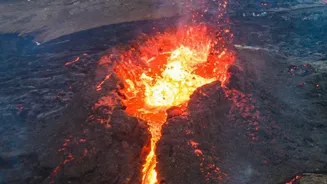
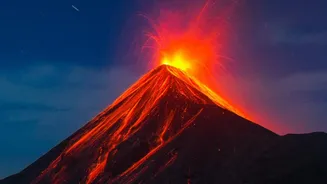
Kīlauea is one of the most active volcanoes on the planet, offering one of the few opportunities to witness the creation of new land. Located within Hawaiʻi Volcanoes National Park, its eruptions are well-monitored, and when conditions are right, provide safe viewing of lava flows and glowing craters. The 2024-2026 period, for example, has seen dozens of episodic eruptions, creating a spectacular natural show. Access is entirely at the mercy of the volcano. The word 'active' is key; eruptions are episodic and can pause for days or weeks with little warning. You could plan a trip and arrive during a lull with nothing to see but steam. Furthermore, even when the volcano is erupting, the viewing areas may be closed or moved due to hazardous volcanic gases or tephra (falling volcanic material). Direct hikes to see surface lava flows are often impossible, as these areas are frequently closed for safety. Your ability to see lava is never guaranteed.
Mount Bromo, Indonesia
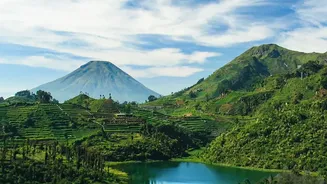
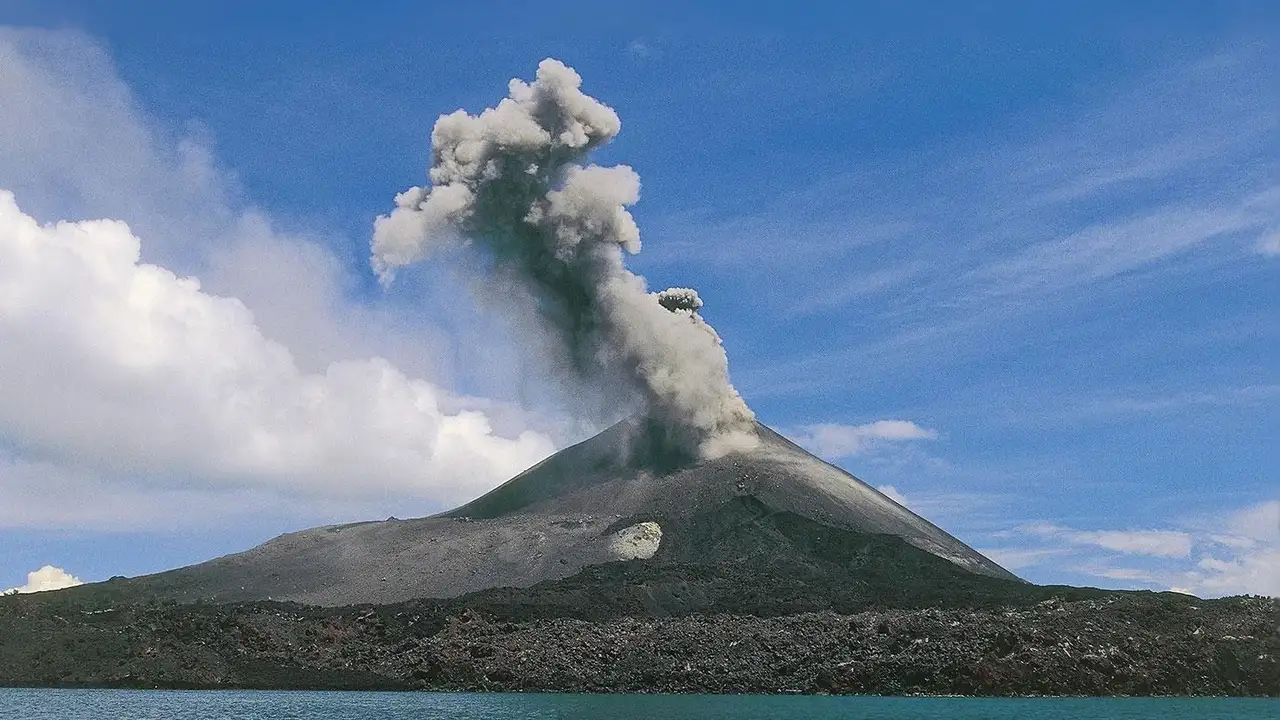
Part of the Bromo Tengger Semeru National Park in East Java, Mount Bromo is famous for its otherworldly sunrises. Visitors flock to lookout points to see the dawn light illuminate Bromo's smoking cone, which sits inside the vast Tengger caldera, a sandy ancient crater. The epic, almost lunar, landscape has made it one of Indonesia's most popular tourist destinations. The primary caveat here is sudden closure. As an active volcano, its alert level can be raised at any time, restricting access to the crater rim due to increased seismic activity or gas emissions. But there are other risks, too. In August 2026, for example, the entire national park was closed to all tourists for an undetermined period due to a massive wildfire that had been burning in the caldera for nearly a week. Whether due to volcanic activity or environmental factors like fires, access to this iconic view can be shut down without notice.
Eyjafjallajökull, Iceland
This glacier-capped volcano became globally infamous in 2010 when its eruption spewed an ash cloud that grounded European air travel. Today, its notoriety makes it a popular destination on Iceland's south coast. The adventure lies in hiking or taking a super jeep tour onto the glacier that covers the volcano, offering stunning views and a sense of raw, elemental power. The name itself, a glacier-volcano, hints at the challenges. You cannot simply walk up to it. Safely traversing the Eyjafjallajökull ice cap requires technical gear and, for most people, the expertise of a professional guide to navigate crevasses and changing ice conditions. The biggest variable, as with all Icelandic adventures, is the weather. Conditions can change in minutes from sunny to a full-blown blizzard with zero visibility, even in summer. While the volcano itself is currently safe to visit, the journey on its glacial surface is a serious undertaking that demands respect for the extreme and unpredictable arctic environment.
Cotopaxi, Ecuador
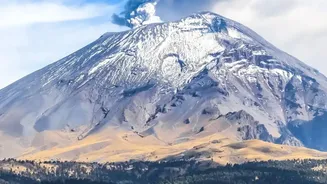
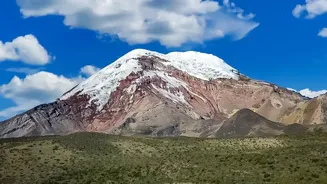
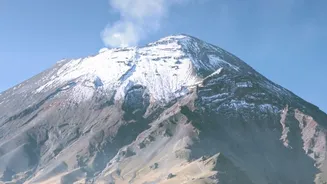
One of the highest active volcanoes in the world, Cotopaxi is a stunning, snow-covered cone that dominates the Andes south of Quito. For aspiring mountaineers, it’s a prized summit — a challenging, high-altitude climb that does not require highly technical skills but offers the experience of a true Andean expedition. Reaching its summit at 5,897 meters (19,347 ft) is a major accomplishment. The singular, overwhelming challenge of Cotopaxi is altitude. The summit is in the 'extreme altitude' zone, where the oxygen is thin and the physical toll is immense. The key access caveat is not a gate or a permit, but your own body's ability to acclimatize. Rushing the ascent is a recipe for severe and potentially life-threatening altitude sickness. Climbers must spend several days, if not a week, acclimatizing at progressively higher elevations before even attempting the final push, which typically happens overnight to cross the snowfields while they are still frozen solid.