
The New Space Race Is Getting Crowded
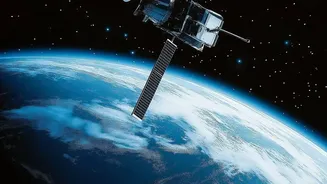
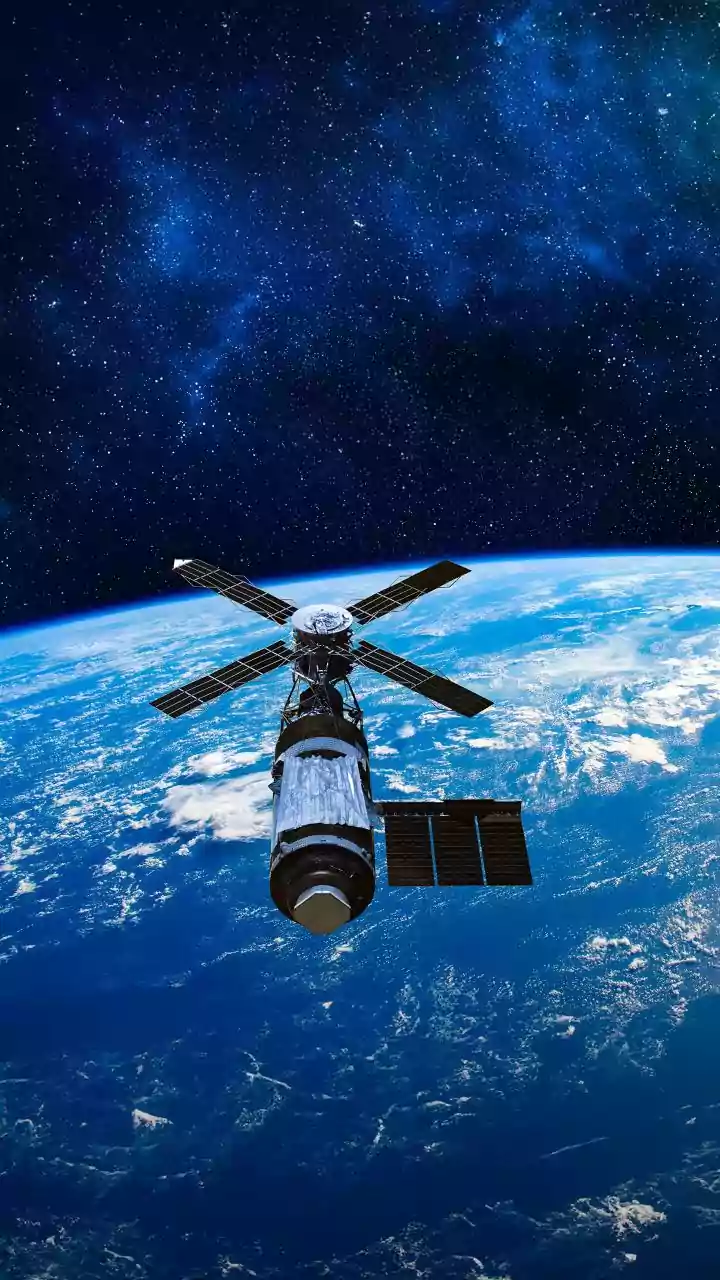
The space above Earth has never been busier. As of late 2026, there are approximately 17,000 active satellites in orbit, a number that has grown exponentially in just a few years. The primary drivers of this boom are commercial 'mega-constellations' designed
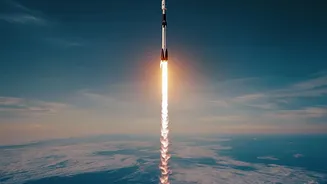
to provide global internet coverage. Companies like SpaceX with its Starlink project, which already accounts for the majority of active satellites, are launching new batches almost weekly. They are joined by other major players, including Amazon's Project Kuiper and Eutelsat's OneWeb, all competing to build vast networks in low Earth orbit (LEO). This rapid expansion, while promising to connect the unconnected, has transformed LEO into an increasingly congested and contested domain.
What Exactly Are Satellite Constellations?
Think of satellite constellations as networks of cell phone towers, but circling the planet at incredible speeds. Instead of relying on a few large, expensive satellites in high orbits, these new systems use thousands of smaller, mass-produced satellites working in concert. This approach offers significant advantages, including lower latency and more comprehensive global coverage, making high-speed internet a possibility for remote and underserved areas. Starlink, for instance, operates thousands of satellites in orbits around 550 km high, while OneWeb uses a smaller number at a higher altitude of 1,200 km. Amazon's Project Kuiper is also deploying thousands of its own. This model has made satellite deployment faster and cheaper than ever, fuelling the current population explosion in space.
The Risk: A Cosmic Traffic Jam
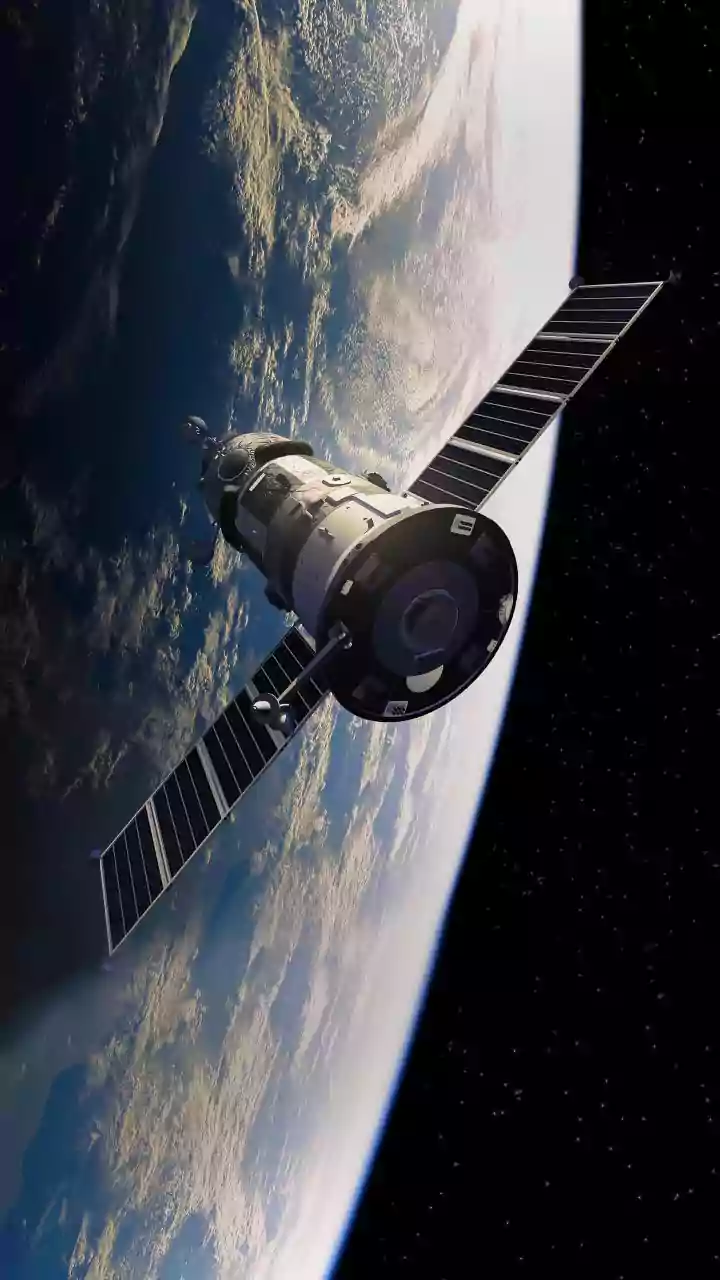
With thousands of objects hurtling around the planet at speeds over 28,000 kilometres per hour, the risk of collision is a serious and growing concern. The problem isn't just with active satellites. There are also tens of thousands of tracked pieces of 'space junk,' including defunct satellites, spent rocket stages, and fragments from past explosions. A recent incident in September 2026 saw a decades-old US spy satellite shatter, creating a new cloud of hazardous debris. Experts worry about a scenario known as the Kessler Syndrome, proposed in 1978, where a single collision creates a debris field that triggers a chain reaction of more collisions, potentially rendering entire orbits unusable for generations. The European Space Agency has warned that even if all launches stopped today, the amount of debris would continue to grow due to existing objects colliding.
What's at Stake for Us on Earth?
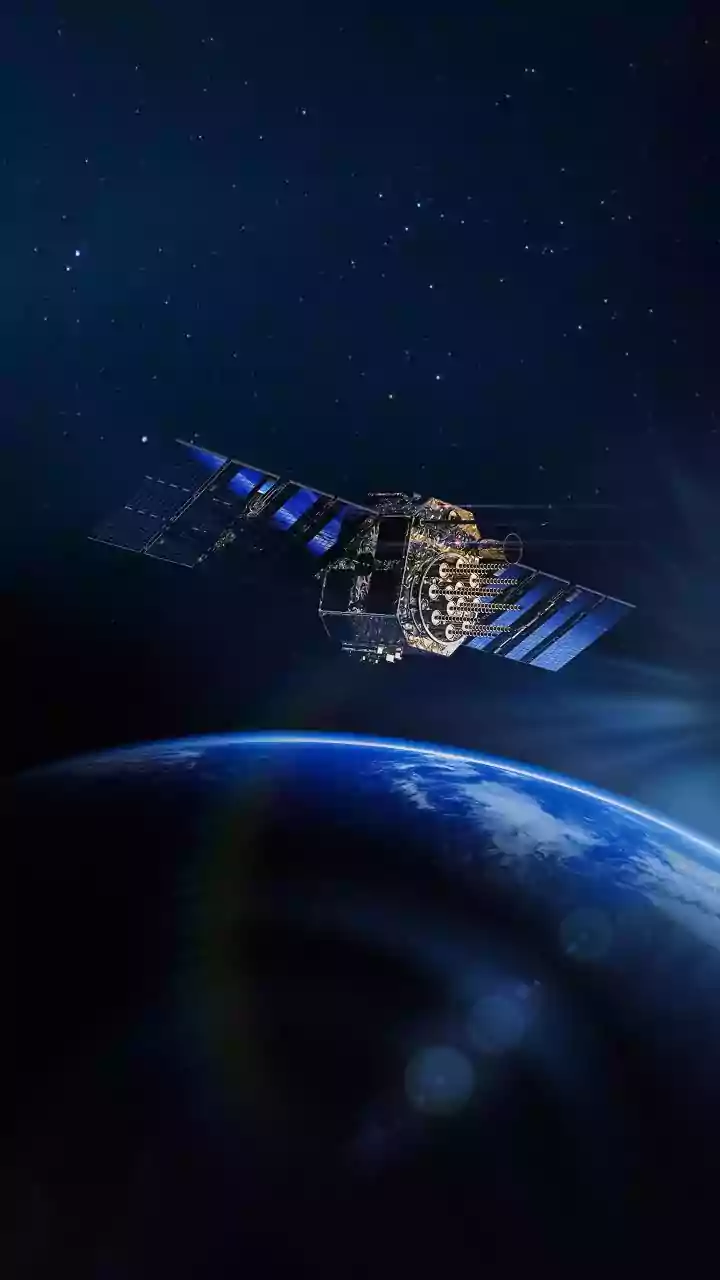
This isn't a distant, abstract problem. A significant collision event or a cascading failure could have profound consequences for everyday life in India and around the world. We have become deeply reliant on space-based infrastructure for countless services. GPS satellites power the navigation apps on our phones, guide ride-sharing services like Ola and Uber, and are crucial for logistics and shipping. Weather forecasting, which is vital for agriculture and disaster management, depends on Earth observation satellites. Furthermore, financial transactions, telecommunications, and even emergency services rely on the precise timing and data provided by satellites. The promise of connecting rural India through satellite internet also hinges on a stable and safe orbital environment.
The Urgent Search for Solutions
Recognising the growing threat, international agencies, governments, and private companies are beginning to work on solutions. The field of Space Traffic Management (STM) aims to create a set of 'rules of the road' for orbit, much like air traffic control does for airplanes. This involves better tracking of all objects, improved communication between operators to avoid collisions, and developing standards for responsible behaviour. There is also significant research into Active Debris Removal (ADR) – technologies designed to capture and de-orbit the most dangerous pieces of existing junk. Many new satellites are also being designed to de-orbit themselves at the end of their lifespan to avoid becoming future hazards. However, these efforts are in their early stages and face immense technical, political, and financial challenges.