




A New Rocket Motor Roars to Life
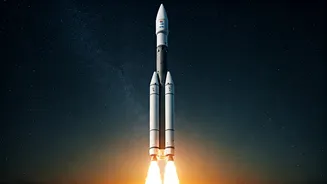
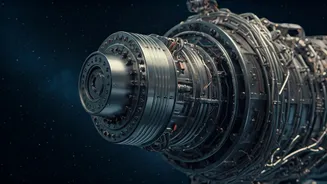
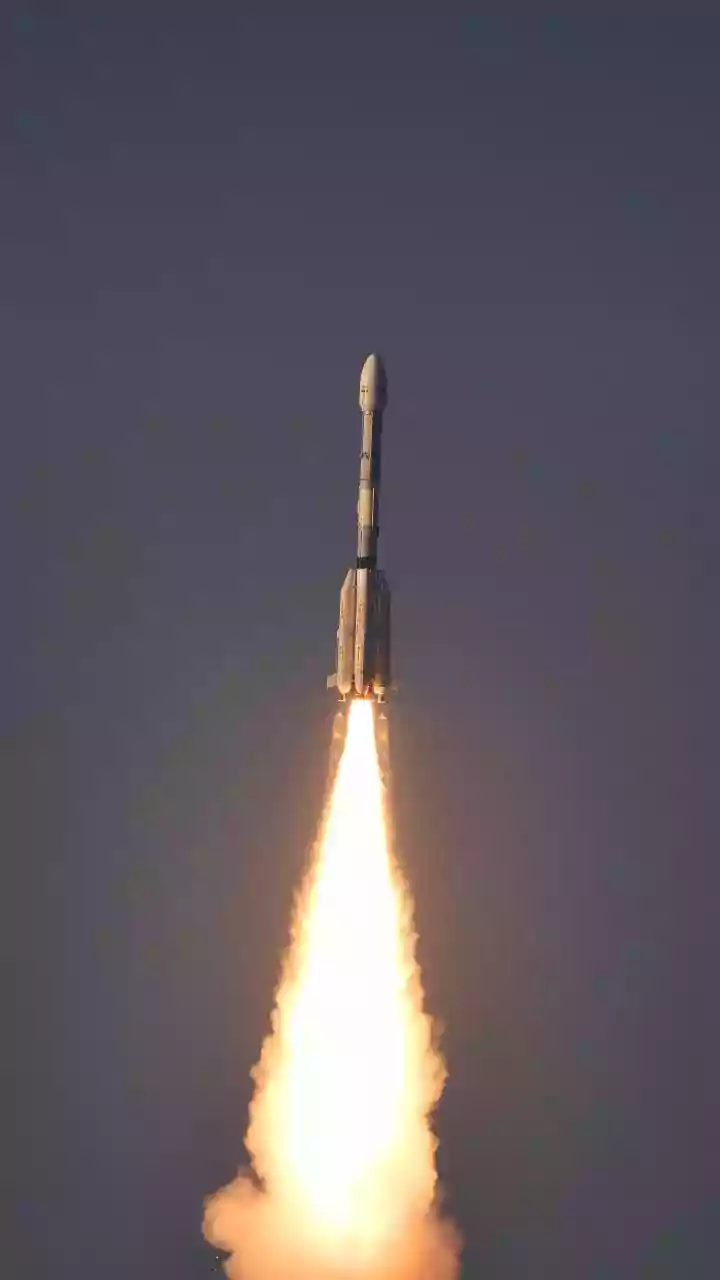
The latest success comes from the first ground test of the solid motor for a new Sub-Orbital Launch Vehicle for Experiments, or SOLVE. This test, conducted on July 3 at the Satish Dhawan Space Centre in Sriharikota, is a critical step in verifying the systems
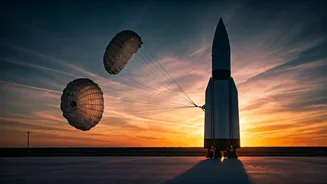
that will ensure the safe return of the Gaganyaan crew. SOLVE is a special test rocket being developed specifically to carry out integrated parachute tests. The vehicle is designed to carry a mass equivalent to the Gaganyaan Crew Module to an altitude of between 10 and 17 kilometres and then separate it, initiating a parachute-guided descent and splashdown. According to ISRO, the motor performed exactly as planned during the trial.
Why This Test Matters
While a motor test on the ground might seem far from sending humans into orbit, it is a foundational piece of the safety puzzle. The SOLVE rocket provides a flexible and repeatable way to test the most critical phase of the mission: bringing the astronauts home safely. The Gaganyaan mission plan involves the crew returning to Earth in a capsule that will re-enter the atmosphere at tremendous speed. The only way to slow this capsule down for a gentle splashdown in the ocean is through a complex, multi-stage parachute system. The new SOLVE vehicle will allow engineers to simulate the exact conditions of this descent and test the parachute system's reliability under various scenarios before ever putting a human on board.
A Symphony of Ten Parachutes
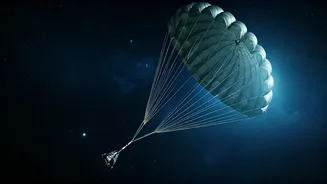
Bringing the Gaganyaan crew module home is not as simple as pulling a single ripcord. The entire deceleration process involves a sequence of 10 different parachutes. The process begins with two Apex cover separation parachutes, which clear the way for the main system. Next, two drogue parachutes deploy to stabilize the fast-moving capsule and reduce its velocity. Following this, three small pilot parachutes pull out the three main parachutes. These large canopies are what ultimately slow the module to a safe landing speed for its splashdown in the Indian Ocean. The system is designed with redundancy, meaning only two of the three main parachutes are needed for a safe landing, providing a critical safety margin.
The Road to a Crewed Flight
This successful motor test is one of many milestones in a long and meticulous journey. ISRO has been systematically testing every component of the Gaganyaan mission, from the human-rated LVM3 rocket to the crew escape system. There have been numerous parachute tests, including airdrops from aircraft, to validate their performance. The overall Gaganyaan program involves a series of uncrewed test flights to prove the technology before the first crewed mission. This includes sending a humanoid robot, Vyommitra, into space to test the life support systems. These steps ensure that every aspect of the mission is thoroughly vetted.
What Happens Next?
With the SOLVE motor test complete, ISRO will move forward with developing the full test vehicle. This will enable a new series of high-altitude parachute trials that more closely mimic the actual return from orbit. The agency is working towards the first uncrewed Gaganyaan mission, which will be a full dress rehearsal without astronauts. After a series of these uncrewed flights, and a thorough review of all data, ISRO will finally be ready for the historic flight that will make India only the fourth country in the world to have an independent human spaceflight capability. While the timeline has been adjusted, the recent string of successes shows steady progress toward this monumental national goal.