





A Torrent in the Himalayas
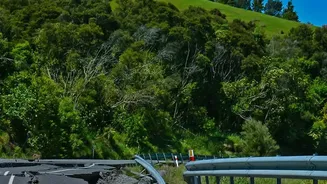
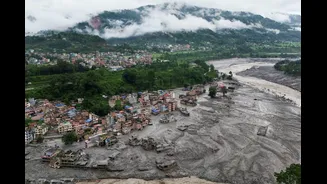
On August 26, 2026, a catastrophic torrent of water, mud, and debris surged through the Bhote Koshi and Trishuli river valleys in Nepal, near the border with Tibet. The disaster struck with terrifying speed, wiping out homes, bridges, and hydropower projects,
and causing hundreds of fatalities with many more reported missing. While monsoon season brings a constant threat of flooding, scientists quickly determined that this was no ordinary weather event. Preliminary investigations pointed not to rainfall, but to a massive collapse high in the mountains as the primary cause.
An Unseen Trigger: GLOFs and Avalanches
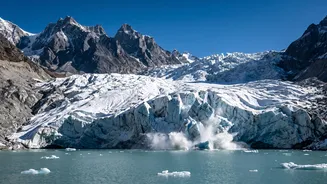
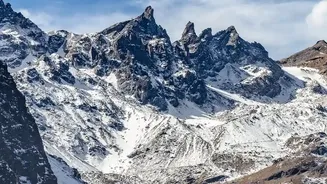
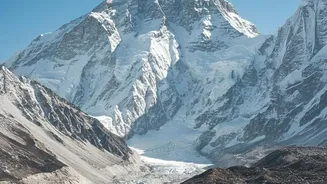
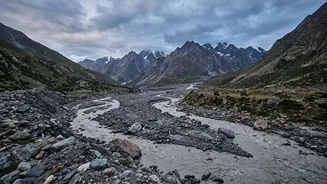
The culprit appears to be a complex and violent chain reaction known as a cascading hazard. Initial analysis of satellite imagery and seismic data suggests a huge chunk of a glacier, mixed with rock, broke away from a mountain peak in Langtang National Park. This colossal ice avalanche, generating energy equivalent to a magnitude 5.2 earthquake, thundered into the valley below. This event may have then temporarily dammed the Lhende Khola river, a tributary of the Bhote Koshi. When this natural dam of ice and rock inevitably failed, it released a sudden, immensely powerful surge of water downstream. This phenomenon is related to Glacial Lake Outburst Floods (GLOFs), which occur when dams of earth or ice holding back glacial lakes give way.
The Climate Change Fingerprint
While no single disaster can be solely blamed on climate change, scientists agree that a warming planet is making such events more frequent and severe. The Hindu Kush Himalaya region is warming considerably faster than the global average. This accelerated warming has two dangerous effects. First, it melts glaciers at an alarming rate, increasing the volume of water in existing glacial lakes and forming new, potentially unstable ones. Second, it thaws permafrost, the frozen ground that acts like a 'cryospheric glue' holding mountain slopes together. As this glue weakens, it makes the bedrock beneath glaciers less stable and dramatically increases the risk of the kind of catastrophic collapse seen this week.
A Pattern of Increasing Risk
This week's tragedy is not an isolated incident but part of a frightening trend. The same region has been hit by similar, albeit smaller, flood events in recent years, including one in July 2025. Experts from the International Centre for Integrated Mountain Development (ICIMOD) have been warning that glaciers across the Himalayas are melting faster than ever, with ice-loss rates doubling since the year 2000. There are over 20 glacial lakes in Nepal alone that are considered potentially dangerous. These events pose a grave threat to the nearly 2 billion people who rely on the water from rivers fed by these glaciers, not just from floods but also from long-term impacts on water supply.
A Shared Himalayan Threat
The disaster in Nepal is a stark reminder of a threat that looms over the entire Himalayan region, including India. The shared geology and the trans-boundary nature of the rivers mean that a disaster originating in one country can have devastating consequences for its neighbours downstream. Indian states like Uttarakhand and Himachal Pradesh are also highly vulnerable to GLOFs and similar cascading disasters. The incident underscores the urgent need for improved cross-border communication, data sharing, and the implementation of sophisticated early-warning systems that can detect upstream instabilities before they become downstream catastrophes.