




A Catastrophe Unfolds
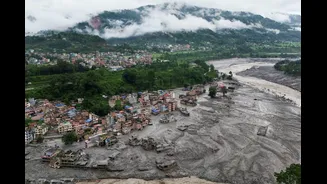
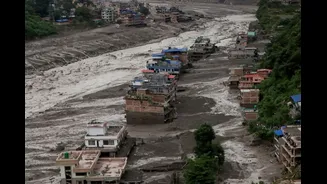
On the morning of August 26, 2026, a massive flash flood stormed down river valleys near the Nepal-China border, wiping out villages, roads, and bridges. Water levels in the Trishuli River reportedly rose by as much as nine metres in just 30 minutes,
a sudden, terrifying surge that gave communities little time to react. Initial reports were chaotic, with hundreds reported dead or missing as the torrent of mud, water, and boulders carved a path of destruction for hundreds of kilometres downstream. The scale of the disaster immediately launched a critical investigation into its source.
The First Suspect: An Earthquake
The first clue came from seismometers, which registered a seismic event equivalent to a magnitude 5.2 earthquake at 8:37 a.m. local time. Initially, many officials suspected that a tectonic earthquake had triggered a landslide, a common occurrence in this volatile region. However, scientists at the US Geological Survey and other international institutions quickly re-examined the data. Their analysis of long-period seismic waves revealed something different: the shaking wasn't from the earth's crust, but was instead generated by a massive collapse on the surface. The earthquake wasn't the cause; it was the effect of something else.
A Different Culprit: The Ice-Rock Avalanche
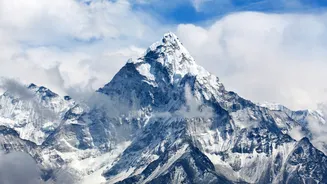
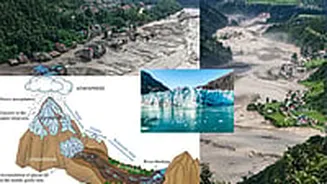
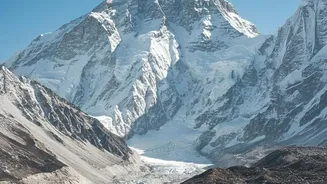
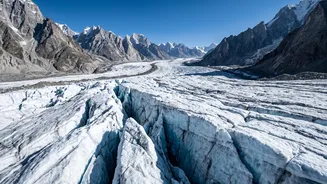
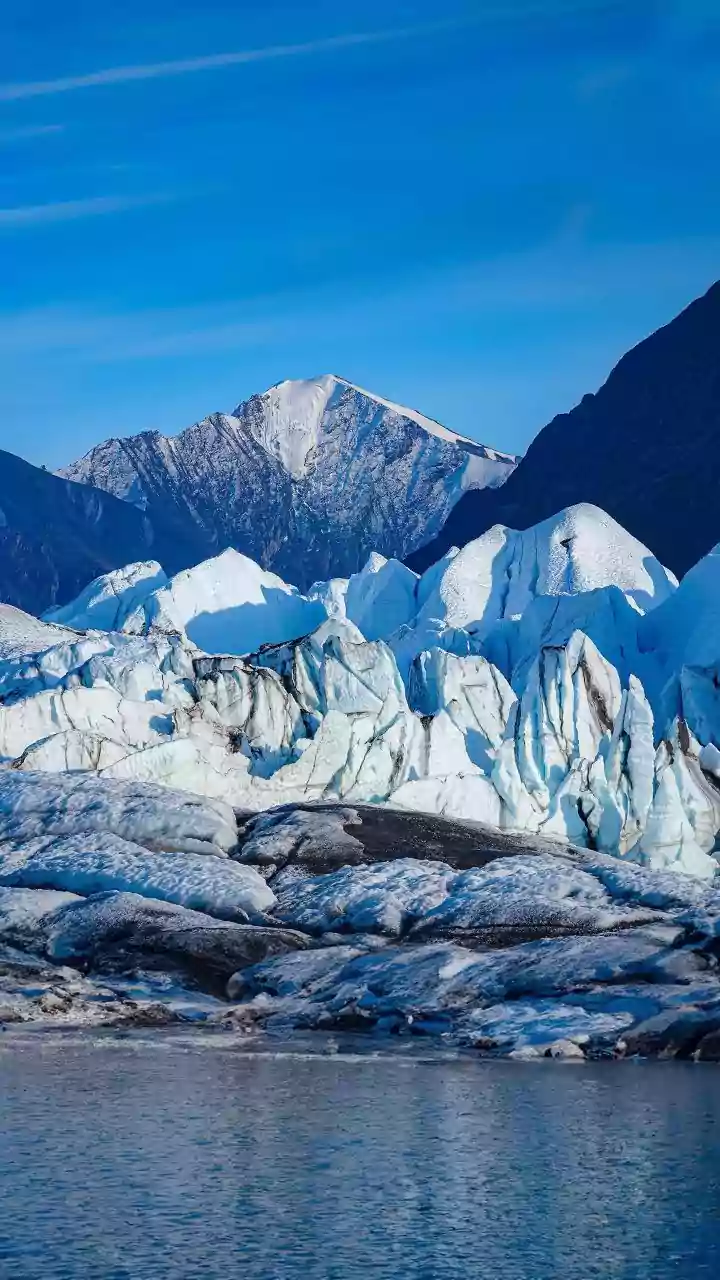
The focus then shifted high up into the mountains. Evidence from satellite imagery, compared before and after the disaster, showed that an enormous chunk of a glacier had sheared off a mountain. The emerging consensus among scientists is that a massive rock and ice avalanche—not a traditional Glacial Lake Outburst Flood (GLOF)—was the primary trigger. Experts believe a huge volume of ice and rock plunged into the Lhende Khola, a tributary of the Bhote Koshi River. The sheer force and friction of the collapse likely melted the ice and pulverised the rock, creating a powerful, fast-moving debris flow that temporarily dammed the river before bursting through with catastrophic force.
Why The Distinction Matters
Distinguishing between a GLOF and a landslide-triggered flood is not just academic. The two phenomena have different triggers and warning signs. GLOFs happen when the natural dams of glacial lakes fail, something that can sometimes be monitored. In contrast, the type of catastrophic rock and ice avalanche seen in this event is far less predictable and can be linked to the degradation of permafrost—the frozen 'glue' that holds steep mountain slopes together. As the Himalayas warm at a rate nearly twice the global average, this permafrost is thawing, destabilising entire mountainsides and increasing the risk of such sudden collapses. This event occurred with no heavy rainfall, defeating conventional flood warning systems.
A Sign of a New Normal
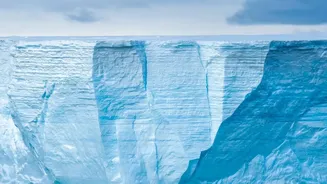
While scientists continue to analyse data to fully reconstruct the chain of events, the disaster serves as a stark warning. The Hindu Kush Himalaya region has lost nearly a third of its ice in just over 30 years due to global heating, and ice-loss rates have doubled since 2000. This rapid melt not only creates new glacial lakes but also makes the very mountains themselves less stable. Experts at the International Centre for Integrated Mountain Development (ICIMOD) have noted that such cascading hazards—where a cryosphere event becomes a flood in a matter of hours—are becoming the 'new normal'. The tragedy highlights the urgent need for cross-border early warning systems and a new understanding of risk in a rapidly changing mountain environment.