


A Culinary Pilgrimage
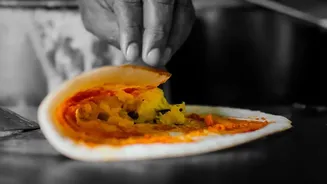
Amritsar’s identity is inextricably linked to its food. The day begins and ends with culinary devotion, from the humblest street cart to legendary dhabas. The undisputed star is the Amritsari Kulcha, a crispy, flaky flatbread stuffed with spiced potatoes
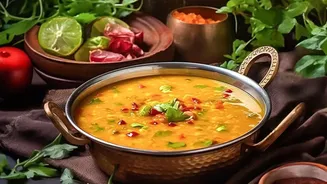
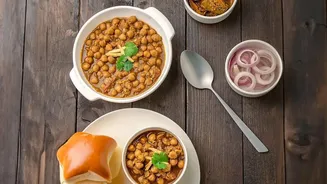
and cooked in a tandoor oven until golden. Served with a dollop of butter and a side of tangy chole (chickpea curry), it’s a breakfast that defines the city. Beyond kulcha, the city’s dhabas, some over a century old like Kesar Da Dhaba, offer treasures like dal makhani slow-cooked overnight. No food journey is complete without a glass of thick, creamy lassi, served in a giant steel glass and so rich it’s a meal in itself. For a truly humbling experience, one must partake in the Langar at the Golden Temple. Sitting on the floor with thousands of others, you are served a simple, wholesome meal by volunteers in what is the world's largest free community kitchen, a testament to the Sikh principle of selfless service.
Echoes of a Resilient Past
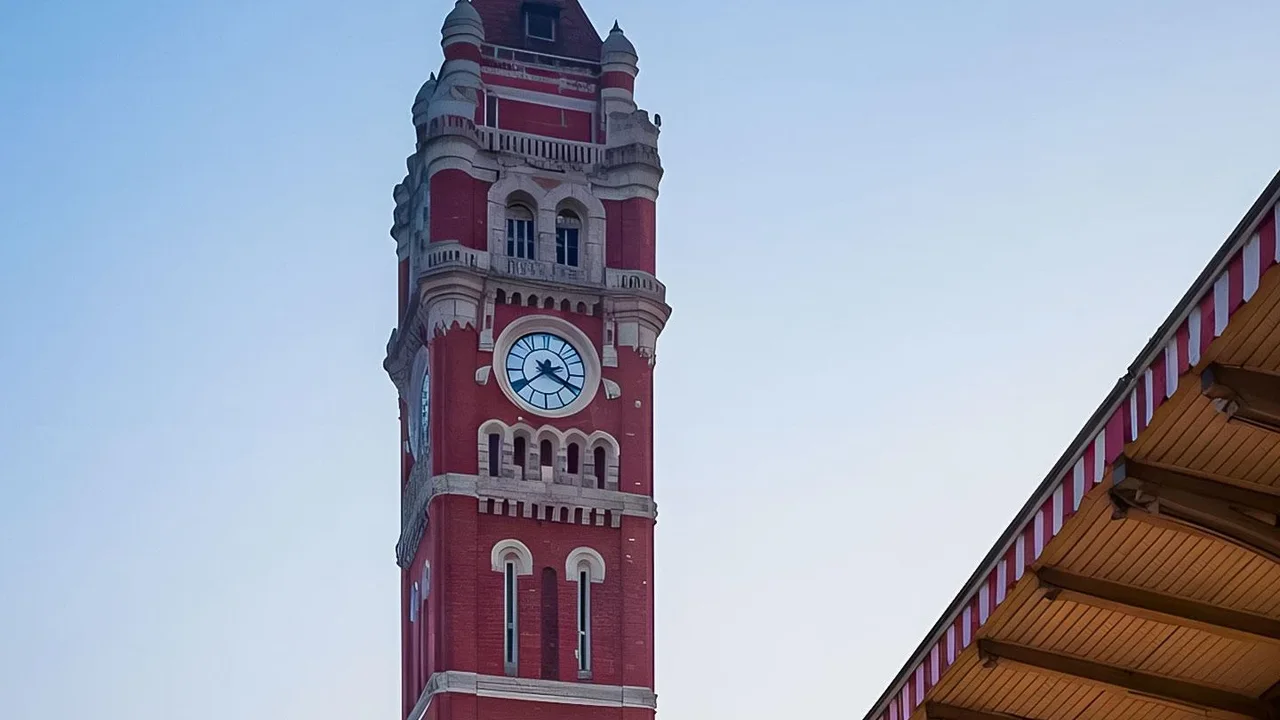
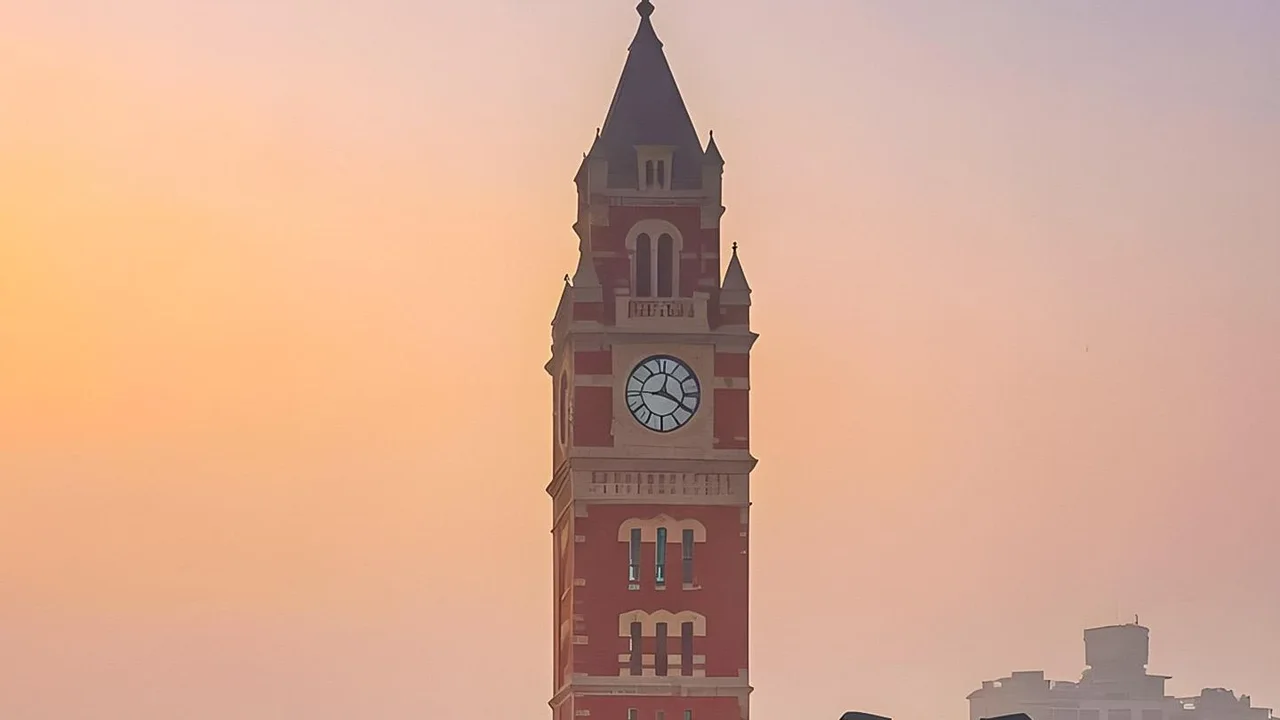
While the shimmering Golden Temple is Amritsar’s spiritual heart, the city’s soul is forged in its history of resilience. A short walk from the temple lies Jallianwala Bagh, a public garden that bears the deep scars of the 1919 massacre. The bullet holes still visible on the walls and the Martyr's Well are a somber, powerful reminder of a pivotal moment in India's struggle for freedom. Equally profound is the Partition Museum, located in the historic Town Hall. It is the world’s first museum dedicated to the 1947 Partition of India, which resulted in the largest mass migration in human history. Through oral histories, personal artifacts, and photographs, the museum tells the heart-wrenching stories of the millions who were displaced, highlighting their pain but also their incredible strength to rebuild their lives. Visiting these sites provides a crucial context for understanding the character of the Punjabi people—marked by tragedy, yet defined by fortitude.
The City's Living Heartbeat
To truly feel Amritsar, you must dive into the chaotic, vibrant labyrinth of its old city streets. The area around the Golden Temple and Hall Bazaar is a sensory explosion. Narrow lanes teem with rickshaws, scooters, and pedestrians, all navigating a colourful marketplace. Here, you can find everything from shimmering Phulkari dupattas (traditional embroidered scarves) and handcrafted juttis (leather shoes) to Amritsar's famous papad and wadiyan (sun-dried lentil dumplings). The air is thick with the aroma of street food—from spicy chole bhature to sweet, syrupy jalebi being fried fresh. The chatter of commerce, the calls of vendors, and the underlying hum of devotion create a soundtrack unique to this city. It’s in these bustling bazaars and hidden alleys that you connect with the daily life and unwavering energy of Amritsar, an experience no monument alone can offer.
Where Spirit and Spectacle Meet
The culmination of Amritsar's historical and cultural spirit can be witnessed daily at the Wagah Border, the international boundary between India and Pakistan. Every evening, a flag-lowering ceremony takes place, a highly theatrical and patriotic spectacle performed by soldiers from both nations. The energy is electric, with crowds cheering, singing, and waving flags. This carefully choreographed display of military showmanship is a fascinating, and at times surreal, experience. It encapsulates the complex relationship born from the Partition while simultaneously celebrating the fierce national pride that defines the region. It is a fitting bookend to a day spent exploring the city’s deeper historical roots, bringing the past into a loud, vivid, and unforgettable present.