


The Power of Personal Collections
The biggest challenge in a rental is making it feel like it belongs to you. When you can't paint the walls or swap out fixtures, the space can feel generic and impersonal. This is where your personal collections, specifically books and art, become your greatest
assets. They tell your story, showcase your passions, and add layers of personality that no coat of paint can replicate. A home filled with objects you love feels lived-in and established, turning a temporary address into a genuine sanctuary. Rather than focusing on what you can't change, shift your perspective to what you can control: the items you choose to surround yourself with.
Art That Speaks Without Leaving a Mark
Blank, neutral walls are a common feature of rental properties, but they're also a perfect canvas. Creating a gallery wall is an impactful way to transform a room, and it doesn't have to involve nails and a forfeited security deposit. Removable adhesive strips and hooks are a renter's best friend, capable of holding lightweight frames securely without damaging the paint. For a more casual, collected look, try leaning larger framed pieces against the wall from the floor or on top of a console table or mantel. You can also use floating shelves or picture ledges to display a rotating collection of smaller artworks, photos, and objects. This method not only avoids wall damage but also offers flexibility to change your display whenever you wish.
Think Beyond the Bookshelf
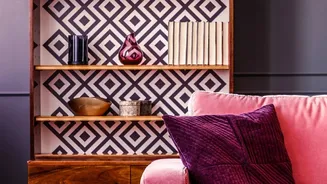
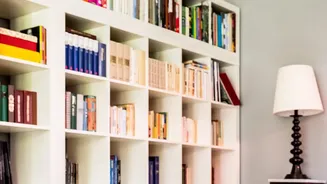
Books do more than just fill a shelf; they are sculptural objects that can add colour, texture, and architectural interest to any room. Instead of hiding your collection away, use it as a design element. Stack large, attractive coffee table books horizontally on a table to create a stylish base for a vase or candle. A vertical stack of books on the floor, arranged from largest to smallest, can act as a unique side table or fill an awkward empty corner. You can also organize books by the colour of their spines to create a vibrant visual statement on a shelf or console. Grouping books by subject can also add personality, with cookbooks in the kitchen or travel books in a guest room. This approach turns your library into a dynamic part of your decor.
Creating Cohesive Vignettes
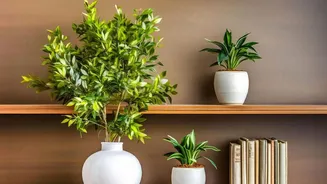
The key to making your displays look intentional and not cluttered is to create curated vignettes—small, thoughtful groupings of objects. Combine books and art to build these layered arrangements. On a sideboard, for example, lean a small piece of framed art against the wall, place a short stack of books in front of it, and finish with a small plant or a personal memento. The varying heights and textures create visual interest. Use decorative trays to group smaller items on a coffee table or ottoman, which makes the collection feel contained and purposeful. When arranging a gallery wall, a cohesive look can be achieved by using frames of the same colour or material, which unifies a diverse collection of prints.
Scale and Placement Matter
How you arrange your art and books is as important as the items themselves. For a gallery wall, a common guideline is to centre the entire grouping at eye level, which is typically around 57 inches from the floor to the middle of the arrangement. This prevents the common mistake of hanging art too high. When creating stacks of books, placing the largest at the bottom provides a stable and visually pleasing foundation. Don't be afraid to use large-scale art. A single, oversized piece can make a more significant impact and feel less cluttered than many small ones. By considering scale and placement, you can ensure your collections enhance your space rather than overwhelming it.