


The Science of a Sweetening Fruit
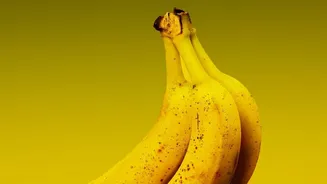
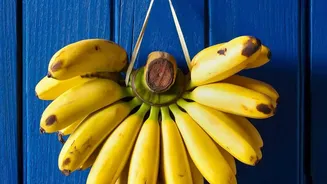
That browning process is a natural part of ripening, driven by a plant hormone called ethylene gas. As a banana matures, it produces ethylene, which signals the starches within the fruit to convert into simple sugars. This is why overripe bananas are
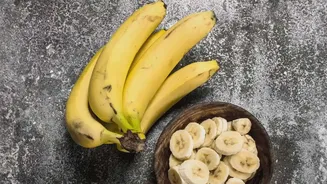
significantly sweeter. The ethylene also breaks down the chlorophyll (the pigment that makes them green) and later the yellow pigments in the peel, leading to those familiar brown or black spots. This process is called enzymatic browning. So, a brown peel isn't a sign of rot; it’s a sign that the fruit has reached its peak sweetness.
How to Tell If It's Still Good
Judging a banana’s edibility goes beyond skin deep. A banana with a brown or even mostly black peel is often perfectly fine, especially for baking. The key is to check for signs of actual spoilage. A good-to-eat overripe banana will have a peel that is still intact, without any major splits or leaks. The fruit inside will be soft, perhaps even mushy, and may have some brownish spots, which can simply be cut away. The aroma should be sweet and distinctly banana-like. If you open it and the flesh is creamy or pale brown, it's generally safe and ready for your banana bread batter.
Red Flags: When to Throw It Out
There is a point of no return. Be on the lookout for clear indicators of spoilage. If the banana is leaking fluid, it's a sign that the fruit has started to break down and rot. A foul, fermented, or mouldy smell is another major red flag. Any visible mould, which often appears as fuzzy white or greenish spots, typically near the stem, means the banana should be discarded immediately. Also, if you peel it and the fruit inside is black, mushy, and unpleasantly soft, it's past its prime and should be thrown away. The presence of fruit flies is also a strong hint that the fruit has started to ferment.
The Baker's Best Friend
For bakers, a brown banana isn't just usable—it's preferable. The high sugar content means you can often reduce the amount of added sugar in recipes for muffins, pancakes, and quick breads. The soft, mashable texture integrates seamlessly into batters, providing moisture and a rich, concentrated banana flavour that a firm, yellow banana can't match. Overripe bananas are also a powerhouse of nutrition. While the sugar content is higher, they still retain their potassium and boast higher levels of antioxidants compared to their less-ripe counterparts. They are also often easier to digest because the complex starches have been broken down.
Smarter Storage for a Longer Life
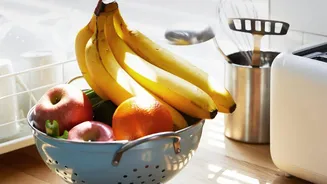
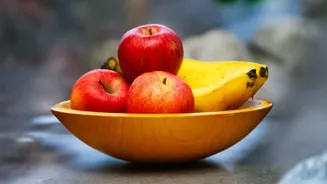
To manage the ripening process, a few simple storage tricks can help. Keep bananas separate from other fruits, as the ethylene gas they release will speed up the ripening of nearby produce. Storing bananas at room temperature is ideal, but if they've reached your desired ripeness, you can move them to the refrigerator. The peel will turn dark brown or black in the cold, but the fruit inside will remain at that same level of ripeness for several more days. For long-term storage, peel your overripe bananas, chop them up, and freeze them in a sealed bag. They're perfect for throwing directly into smoothies, providing a creamy texture without the need for ice.