




The Atmosphere Puts a Lid On It
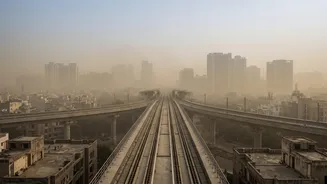
The primary culprit behind the post-monsoon pollution spike is a weather phenomenon called temperature inversion. During the cooler months that follow the monsoon, the ground cools down rapidly at night, making the air near the surface colder than the air layer
above it. Normally, warm air rises, carrying pollutants with it and dispersing them. But with inversion, this warmer air layer acts like a lid, trapping the colder, denser, pollutant-filled air close to the ground where we breathe. This dramatically reduces the 'mixing height'—the vertical space available for pollutants to disperse—from about a kilometre in summer to just a few hundred metres, concentrating the smog.
The Winds Become Unhelpful
The monsoon season is characterized by strong winds and rain that wash pollutants from the atmosphere. However, as the monsoon withdraws around late September and early October, the weather pattern shifts. The strong, cleansing easterly winds are replaced by slower, stagnant north-westerly winds. These weaker winds are not powerful enough to disperse the pollutants that accumulate daily. Instead of blowing the pollution away, they often carry smoke and particulate matter from other regions directly into the capital. This shift creates the perfect conditions for pollutants to build up without any natural mechanism to clear them out. Delhi's geography, landlocked and bounded by the Himalayas, further prevents these pollutants from escaping.
The Scourge of Stubble Burning
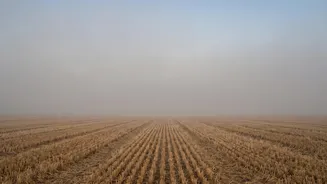
Coinciding perfectly with this meteorological shift is the paddy harvesting season in the neighbouring states of Punjab and Haryana. Farmers are left with a very short window to clear their fields of leftover crop stubble before planting the next crop, winter wheat. The quickest and cheapest method is to burn the residue. This practice releases enormous clouds of smoke, particulate matter, and harmful gases into the atmosphere. The prevailing north-westerly winds then transport this agricultural smoke directly over Delhi-NCR, adding a massive external load to the city's already deteriorating air quality. Studies indicate that during its peak, stubble burning can be responsible for a significant percentage of Delhi's hazardous PM2.5 levels.
The Constant Hum of Urban Emissions
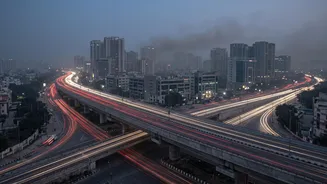
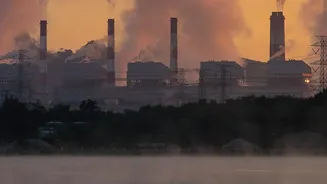
While seasonal factors trigger the sharp spike, the foundation of Delhi's pollution problem is its own year-round emissions. The city is a constant source of pollutants from multiple sectors. Vehicular emissions from millions of cars, trucks, and two-wheelers are a primary contributor, especially given traffic congestion. Industrial pollution from factories in and around the city, dust from widespread construction activities, and the open burning of waste add to the toxic mix. These local sources provide the steady stream of pollutants that get trapped by the temperature inversion and calm winds, creating the severe smog episodes that define Delhi's winter. Even activities like burning wood or waste for warmth during the colder months exacerbate the problem at ground level.