








The Social Media Hype
On platforms like TikTok and Instagram, the #mediterraneandiet is often portrayed as a collection of specific, photogenic meals. You'll see baked feta pasta, large bowls of pasta, and perhaps a glass of red wine with the caption 'healthy living'. This
version is appealing but often misleading. Studies have shown that much of the content under this hashtag promotes foods high in refined carbs and red meat, which are not cornerstones of the diet. This creates confusion, reducing a scientifically supported eating pattern into a series of viral, and often inaccurate, food trends. The social media version mistakenly equates the cuisine of some Mediterranean countries with the actual evidence-based dietary pattern studied by scientists for decades.
What the Evidence Actually Shows
The authentic Mediterranean diet is not a strict diet but a lifestyle pattern. It's an approach to eating based on the traditional habits of people in countries like Greece and southern Italy from the mid-20th century. Numerous major studies have linked this pattern to significant health benefits, including a lower risk of heart disease, stroke, type 2 diabetes, and certain cancers. Organizations like the American Heart Association and the World Health Organization recommend it as a model for healthy eating. The key isn't a single 'superfood' or a rigid set of rules, but the overall combination and balance of nutrient-rich, minimally processed foods.
Myth: It’s a Low-Fat Diet
A common misconception is that the Mediterranean diet is low in fat. In reality, it embraces healthy fats. Extra virgin olive oil is the principal source of fat, used generously on salads, vegetables, and in cooking. This diet is rich in monounsaturated fats from olive oil and also includes polyunsaturated fats from nuts, seeds, and fatty fish. These healthy fats are crucial for reducing inflammation and have been shown to lower bad cholesterol levels, which is key to its heart-protective benefits. The focus is on the quality of fat, not the total elimination of it.
Fact: It’s a Plant-Forward Pattern
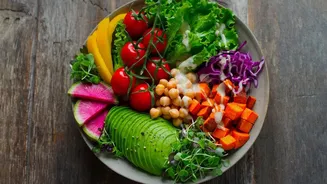
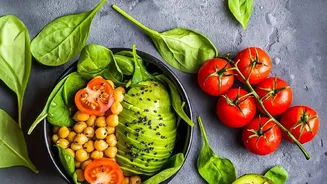
The foundation of the Mediterranean diet is an abundance of plant-based foods. This includes a wide variety of vegetables, fruits, whole grains, and legumes like beans and lentils, which should be consumed daily. This doesn't mean it's exclusively vegetarian. The diet encourages eating fish and poultry in moderation a few times per week, while red meat and processed meats are limited to just a few times per month. This plant-forward approach ensures a high intake of fiber, vitamins, minerals, and antioxidants, which are linked to lower rates of chronic disease.
It’s More Than Just Food
Perhaps the biggest element missed by social media is that the Mediterranean diet is a holistic lifestyle. The evidence-backed benefits are associated not just with what is eaten, but how it's eaten. This includes regular physical activity, whether it's walking, gardening, or other forms of daily movement. It also emphasizes the importance of social connection—sharing meals with family and friends, which can reduce stress and improve well-being. Mindful eating, or savoring your food without distractions, is another key component that is often lost in our fast-paced, digital world.